
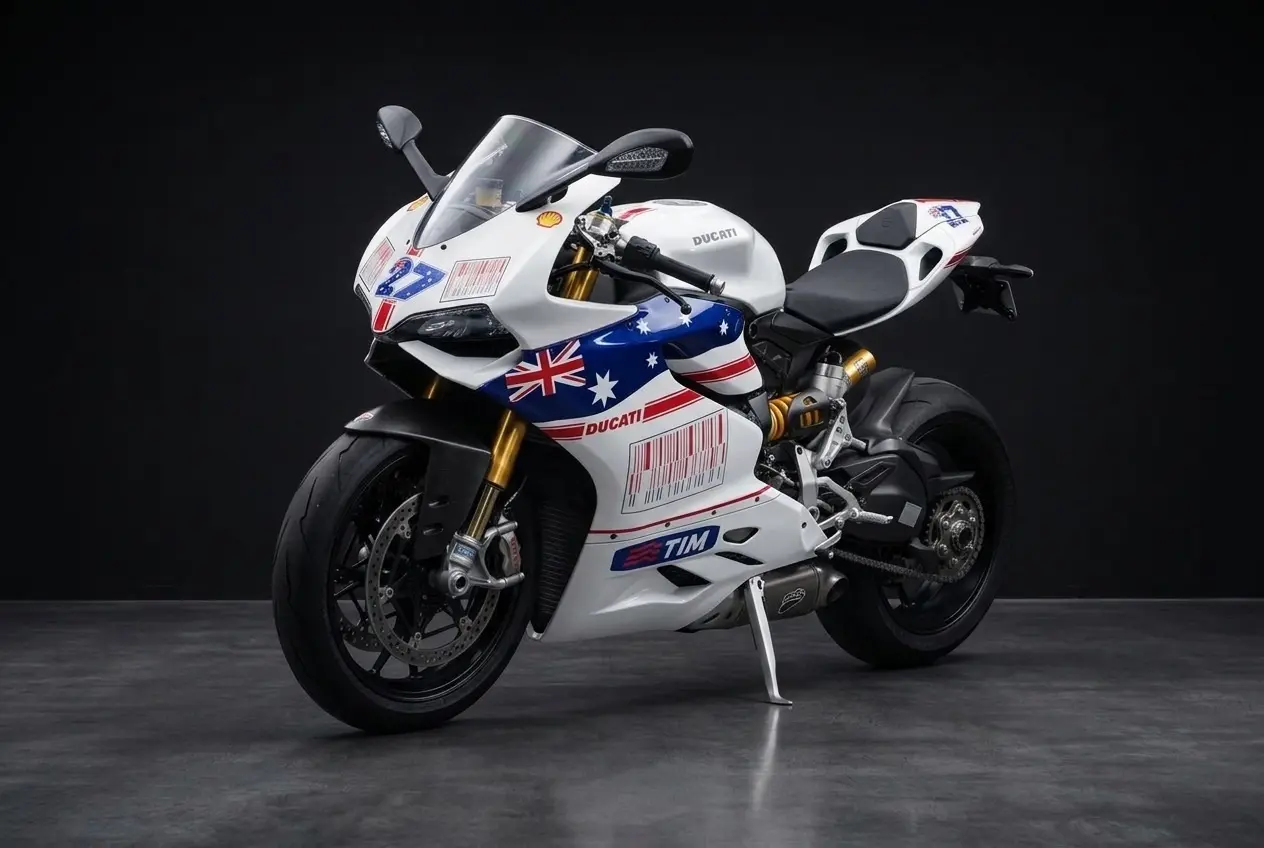
Book the Ducati 1199R. Pick your dates and book the Ducati 1199R online, or call us and we will sort it with you.
Book NowCall 0468 011 118The Monaro Highway runs south across open country with long, gentle curves that invite a rider to settle into a flowing rhythm. On a superbike those curves can feel like the best part of the day, a chance to carry speed and let the bike lean through a sweep with confidence. The same ease can hide risks, such as a patch of loose gravel or a truck crossing the centre line. Here is how we approach carrying speed on the Monaro, and how to keep the bike settled while you do it.
Still choosing a bike? Start with our guide to motorcycle hire in Sydney, which sets out the licence, age and pillion rules.
Why gentle curves are deceptive
A long, gentle curve looks forgiving. The lean angle needed is small, the radius is wide and the rider can settle into a steady line without much effort. That comfort is what makes gentle curves deceptive. Riders tend to increase speed without thinking about the surface, the traffic or what might be waiting beyond the view.
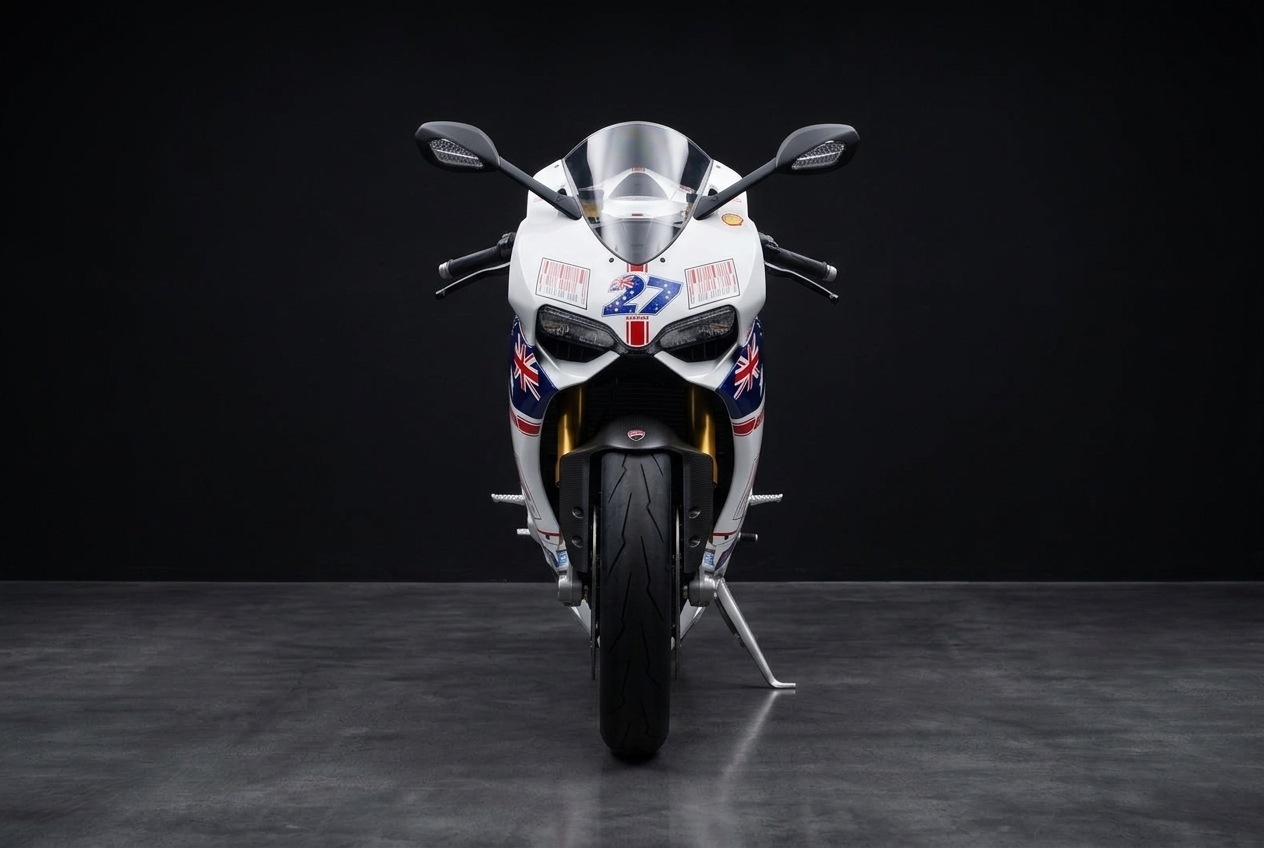
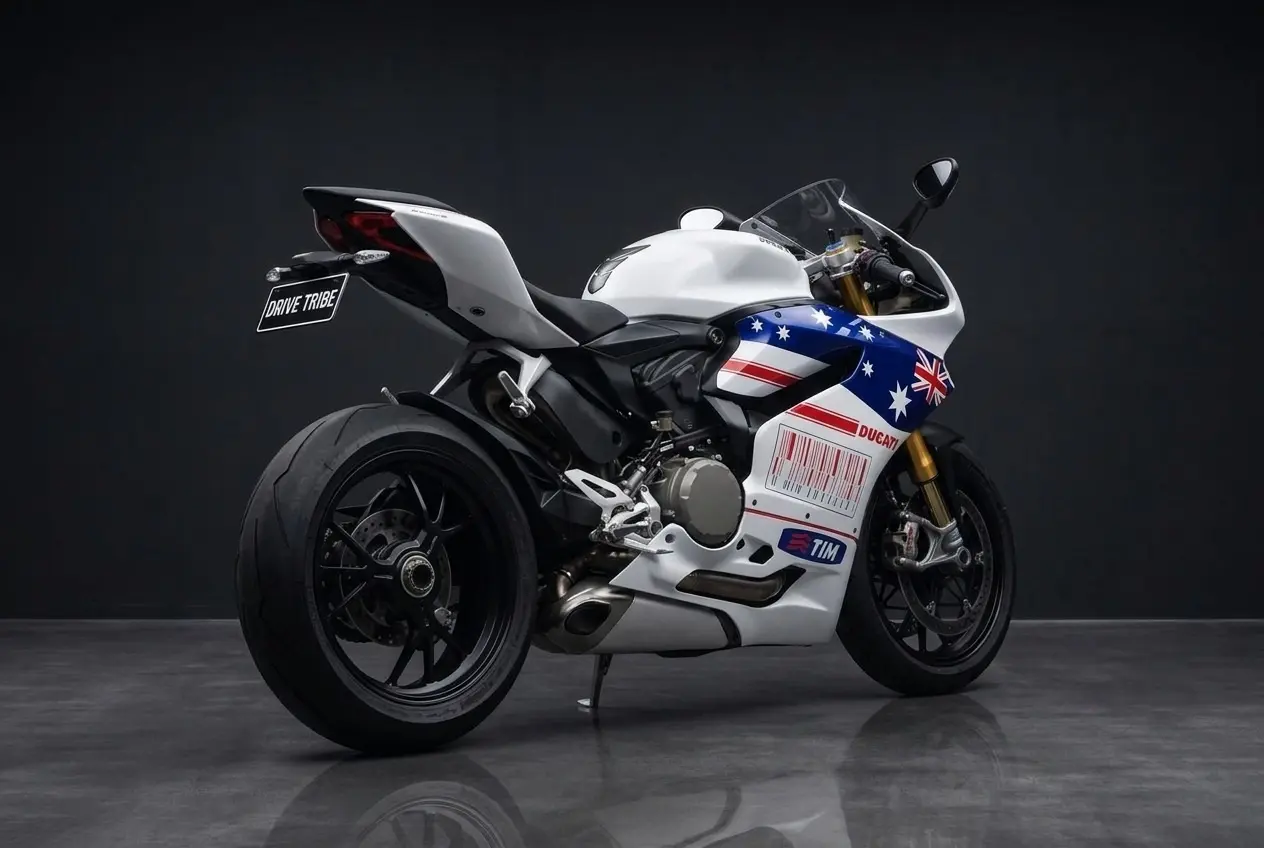
The Ducati 1199R is a precise superbike, and on a smooth curve it feels planted and direct. Its responses are immediate, so a rider who gets the entry speed and line right will find the curve rewarding. A rider who is careless with the inputs can find the bike drifting wide in a way that is harder to control than it looks.
We think of the Monaro as a road for flowing and not for racing. The aim is to keep a steady speed, a clean line and a calm mind all the way through, rather than to push the limits on each sweep.
The Monaro Highway and its character
The Monaro Highway passes through open grazing country with long views across the paddocks and low, rolling hills. The road is generally well surfaced, with wide curves that follow the lie of the land. Traffic can be light for long stretches, but heavy vehicles, caravans and farm traffic all use the route.
Sightlines are good on most sections, but a crest or a dip can hide the road beyond. Keep an eye out for the point where the curve tightens slightly, or where a patch of repair changes the surface. The road can feel very smooth one moment and rough the next.
Check road conditions with Transport for NSW before you leave, especially after rain, when roadworks are under way or when there has been a fire or a crash in the area. The highway can close or change quickly, and a short check at the start of the day is a sensible habit.
Setting your line through a long sweep
On a long, gentle curve, set your line before you enter. Choose a path that keeps you well within the lane, with enough room to see past the next vehicle and enough space to correct if the surface changes. The line should feel calm, not hurried.
Enter the curve at a speed you can hold through the whole sweep. Roll the throttle on gently as you move through the middle, and let the bike track along its line without fighting it. Smooth, progressive inputs keep the bike planted and predictable.
Use the full width of the lane when the road is clear, but keep to your side of the centre line at all times. A rider who drifts toward the centre line on a long curve is asking for trouble if a vehicle appears in the opposite lane.
Look well beyond the curve as you ride, and watch the way the road edges move. A widening verge or a sudden change in the fence line often signals a bend that is tighter than the one you have been riding. Let that information shape your line before you reach it.
Carrying speed without carrying risk
Carrying speed is a skill, and it depends on the bike, the surface and the rider's confidence. On the Monaro, the aim is to maintain a steady pace that keeps the bike settled and gives you time to react. Do not build speed in a rush, and do not carry more than you can comfortably correct.
Keep your speed at or below the posted limit, and remember that the posted limit is a maximum, not a target. Conditions can change quickly, and a speed that feels comfortable on a dry morning may be too fast after a shower or in a patch of shade.
A useful test is to ask yourself whether you could stop comfortably if something appeared at the edge of your view. If the answer is no, reduce your speed until it is yes.
- Set your line before you enter the sweep.
- Enter at a speed you can hold through the whole curve.
- Roll on gently through the middle.
- Keep to your side of the centre line.
Surfaces, gravel and patches of repair
Long highways often carry patches of repair, worn edge lines and small areas of loose material near the verges. Each of these can reduce grip, and a curve can make them more noticeable because the bike is leaning. Look for changes in colour and texture before you lean into the bend.
Gravel can collect on the outside of a curve, where traffic does not always travel. A rider who runs wide can find loose stone under the tyre with little warning. Keep your line clear of the edges where possible, and reduce speed if you see gravel.
If you do encounter a rough patch while leaning, smooth your inputs and avoid braking. Let the bike ride the surface and make small corrections, rather than reacting sharply.
After a rough section, check the feel of the front and rear as the road smooths out again. A bike that has been jolted may need a moment to settle, so ease the speed a little until the line feels right again.
Traffic, trucks and the oncoming lane
Trucks and farm vehicles can cross the centre line on a curve, particularly where the road is wide and the lane is comfortable. Watch for vehicles drifting toward your lane, and be ready to move slightly toward the edge of your own lane if necessary.
Trucks create wind and spray that can push a bike sideways for a moment. Give them room, and be ready for the change in air pressure as you pass or are passed. Do not sit alongside a heavy vehicle on a curve.
Caravans and slower cars often hold the centre of the lane on a long curve. Be patient, and pass only when the road ahead is clear for a comfortable distance and you can see well beyond the curve.
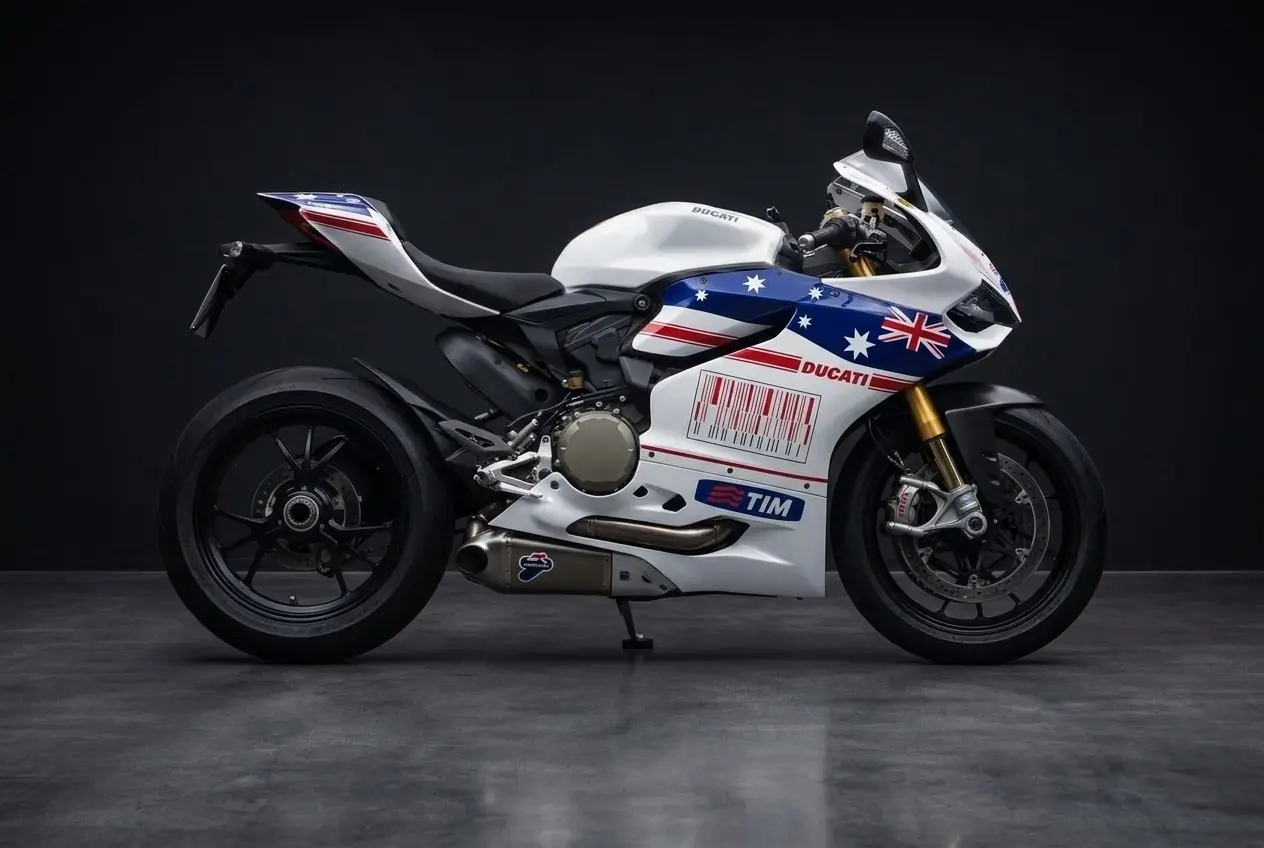
Want the Ducati 1199R for your date? Pick your dates and book the Ducati 1199R online, or call us and we will sort it with you.
Book NowCall 0468 011 118Best time of day and season for the Monaro
Early mornings are often the best time to ride the Monaro, with light traffic, cool air and clear views. The road is quiet and the surface is usually steady. Watch for frost in winter, particularly on shaded sections and in the low ground.
Autumn and spring offer the most comfortable conditions, with mild weather and good visibility. Summer can be hot, and wind can build across the open country in the afternoon. Winter brings cold, fog and sometimes snow on the high ground.
Weekends bring visitors and holiday traffic, while weekdays bring trucks and commercial vehicles. Choose the day that suits your plans and keep your speed comfortable whatever the traffic.
Fuel, food and rest on the highway
Plan fuel before you leave the main centres, since services on the open highway can be spaced widely. Look at the stations ahead before you pass them, and top up when the tank is around half.
Carry water and a light snack. A heavy lunch in the afternoon can make you drowsy, and a drowsy rider does not read curves as well as a rested one.
Rest every hour or so, particularly after a long stretch of sweeping bends. Stretch your shoulders and hands, look at the distance and check the bike. A short break keeps your concentration sharp for the curves that matter.
Hire terms for a highway day
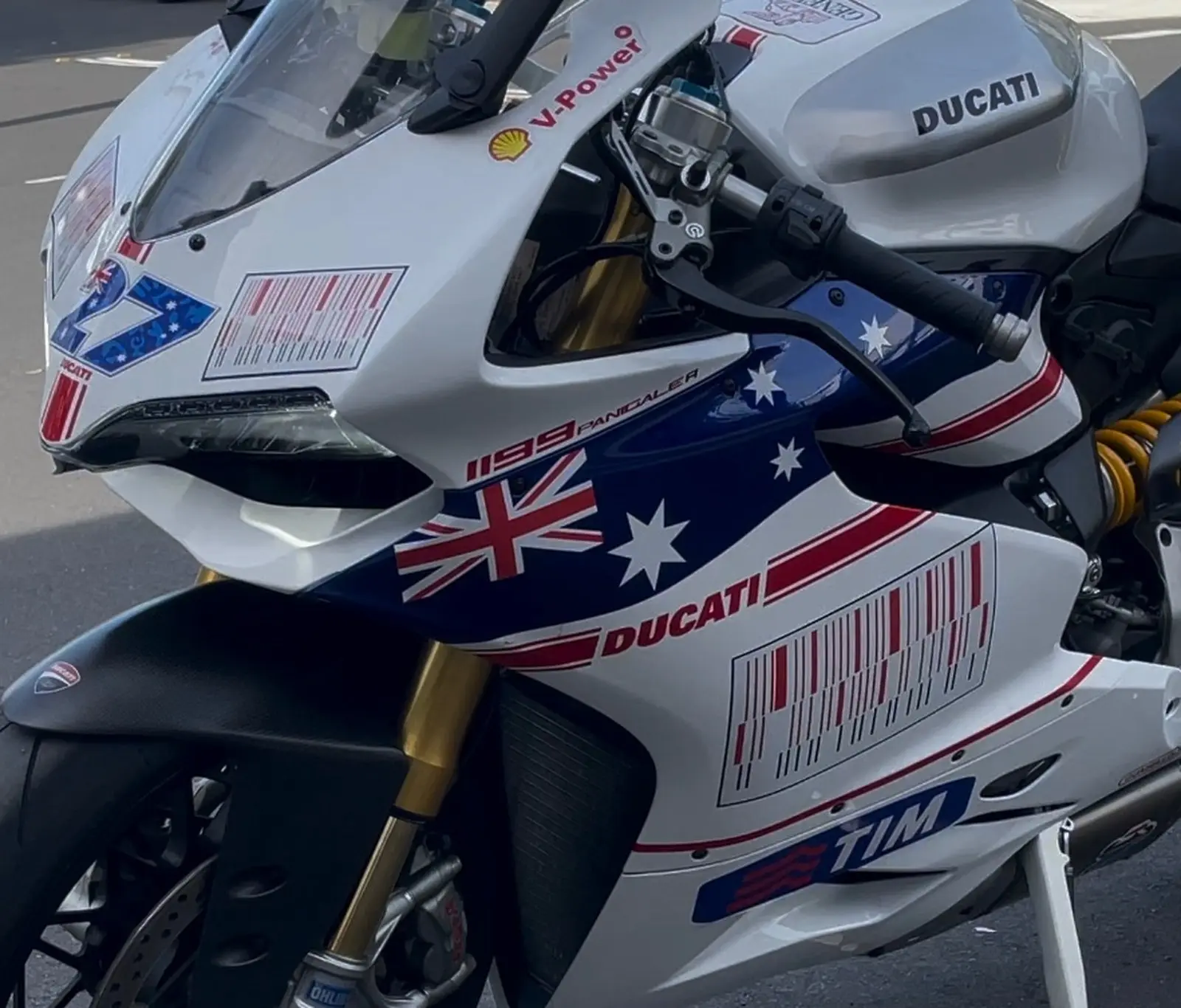
Our hire terms are simple and we explain them at pickup. Bikes are self-drive and collected from our Parramatta base, on a three day minimum. The Ducati 1199R is a single seater, so the ride is solo, and every decision about speed and line is yours to make.
A full motorcycle licence is needed, held for at least three years, and riders must be 25 or older on every bike. Personal injury cover beyond the compulsory basics is for the rider to arrange if they wish. Overnight the bike needs to be locked in a garage or secure off street space between 9pm and 6am.
Ride within your limits and book the Ducati
Ride within your ability, and keep alcohol well away from every ride, including the evening before a long highway day. Wear a helmet that fits, gloves, boots that cover the ankles and a jacket that protects the body in a fall. A superbike on a gentle curve rewards smooth, patient riding.
The Monaro offers some of the most relaxed and satisfying riding in southern New South Wales. Carry your speed with care, keep the line calm and let the road unwind at its own pace.
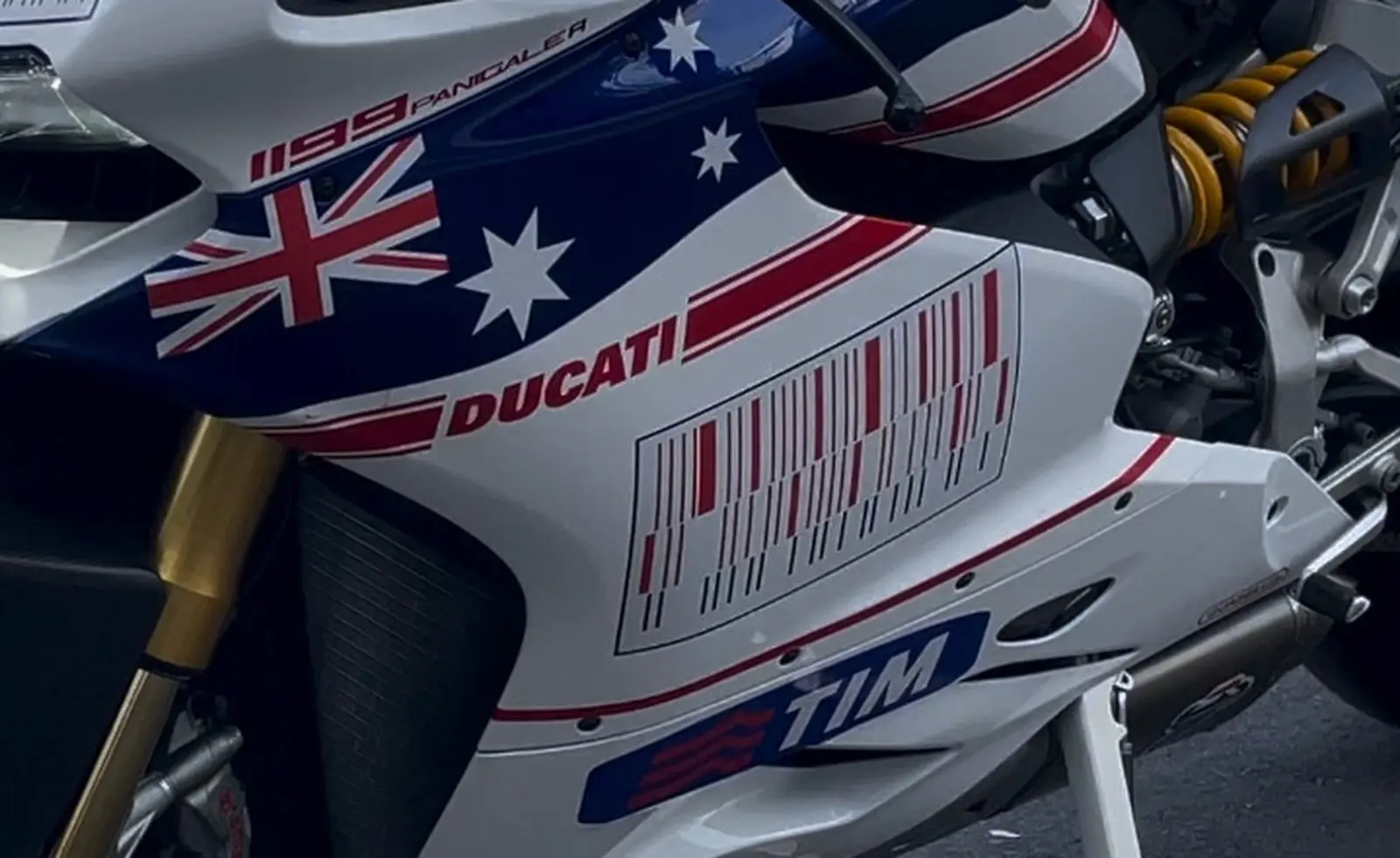
If the Monaro ride is part of your plans, you can see the details of the Ducati 1199R and check availability on its fleet page. We are happy to talk through the route and the conditions before you commit.
Frequently asked questions
How fast can I carry speed through the Monaro curves?
There is no single answer, because it depends on the surface, the traffic, the weather and your own confidence. Keep your speed at or below the posted limit, and choose a pace you could stop from comfortably if something appeared. The posted limit is a maximum, not a target.
Is the Monaro Highway suitable for a superbike?
Yes, provided you ride with care. The highway is generally well surfaced and has long, flowing curves that suit a superbike. Watch for patches of repair, gravel, trucks and wildlife, and keep your inputs smooth. A rider who respects the road will find it very rewarding.
What should I do if I see gravel in a curve?
Reduce your speed well before the gravel, avoid braking or leaning on it and keep the bike upright. Find a clean part of the lane if the road allows, and let the bike ride the surface with small corrections. Gravel on the outside of a curve is common, so keep your line clear of the edges.
How do I stay safe around trucks on a curve?
Give trucks plenty of room and avoid sitting alongside them. Be ready for wind and spray as you pass or are passed. Do not overtake on a curve where the road ahead is hidden, and wait for a long, clear section before making a pass.
Is the Monaro more dangerous in winter?
It can be, because frost, fog and cold surfaces reduce grip and visibility. Check the road conditions before you leave, ride later in the morning once frost has cleared, and keep your speed sensible. If conditions are poor, consider another day or a different route.
Can I rely on the road to stay smooth in every section?
No. Even a good highway has patches of repair, worn edge lines and changes in surface. Read the road before you lean into each curve, and reduce your lean on any section that looks uncertain. Consistent attention is the best protection against surprises.
Ready when you are. Pick your dates and book the Ducati 1199R online, or call us and we will sort it with you.
Book NowCall 0468 011 118