
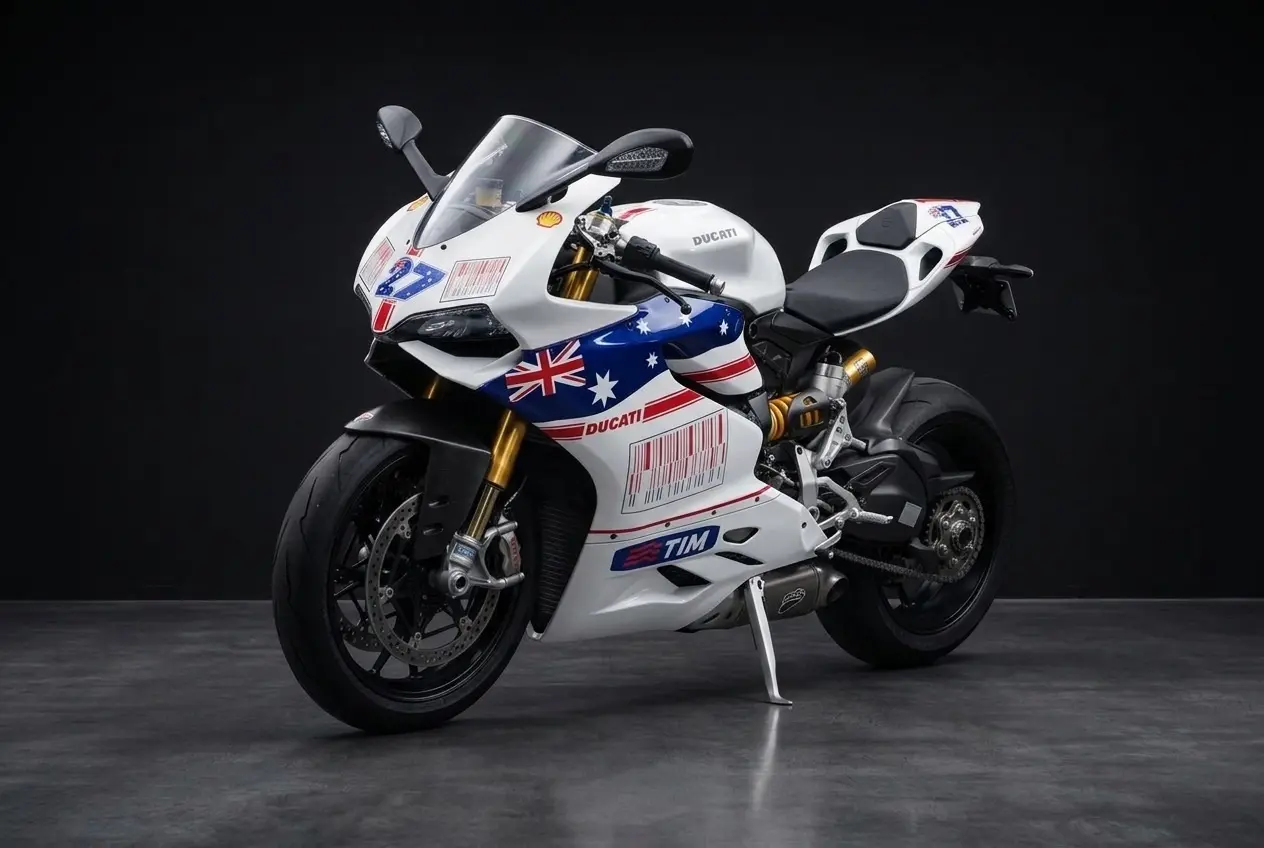
Book the Ducati 1199R. Pick your dates and book the Ducati 1199R online, or call us and we will sort it with you.
Book NowCall 0468 011 118A superbike rewards a rider who respects the engine from the first turn of the key. The Ducati 1199R has plenty of performance on tap, but a cold engine does not like being asked for everything straight away. Warming the bike properly is simple, quick and sensible, and it helps the machine feel smoother and more predictable from the first kilometre. This guide sets out the habits we recommend before any hard riding begins.
For the bikes we hire, who can ride them and how a hire runs, see motorbike hire in Sydney.
Why a cold engine needs a different approach
When an engine has been sitting, its oil has settled and the metal parts are at ambient temperature. Oil needs time to flow freely through the engine and reach the parts that need lubrication most. Asking for high revs or heavy load before that happens puts unnecessary stress on components that are not yet properly protected. A short, patient warm-up gives the oil the chance to do its job.
The same logic applies whatever the bike's size or purpose. A superbike has tight tolerances and a high-performance design, which makes respect for temperature even more important. A rider who treats every cold start as an opportunity to rev hard is not doing the bike or themselves any favours. Gentle first kilometres are the simplest way to protect the machine.
Warm-up also helps the rider. Cold tyres grip less well, cold brakes respond differently and the controls can feel a little stiff in cool weather. A few gentle minutes let the tyres, brakes and controls come up to working temperature, so the bike feels more confident when you start to ride harder.
The warm-up routine before you leave Parramatta
Start with the bike on level ground, check the surroundings and make sure the gear is in neutral before you start the engine. Let the engine idle for a short period, long enough for the oil to begin circulating. Do not rev the engine while it is stationary, because that adds stress before the oil has spread through the system.
Once the engine is settled, pull away gently in a low gear and keep the revs modest. Avoid sudden throttle openings and hard acceleration for the first few kilometres. Choose quiet streets for this phase, so you can focus on how the bike feels and whether the controls respond smoothly.
A simple checklist helps. Confirm the temperature gauge or indicators behave normally, check that the bike feels stable at low speed and make sure the brakes bite evenly. If anything feels unusual, stop and tell our team before you ride further.
- Start in neutral and let the engine idle briefly before moving off.
- Keep revs modest and avoid sharp throttle openings for the first few kilometres.
- Use quiet streets to check the bike feels stable and the brakes bite evenly.
- Hold off on hard acceleration until the bike has run steadily for a while.
- Report any unusual noise, smell or warning light before going further.
Why short bursts of revs when cold cause trouble
A short, sharp burst of revs on a cold engine can be harder on the bike than a longer, steadier run. The oil may not yet be at full pressure everywhere it needs to be, and the parts that rely on it are at their most vulnerable. Repeated hard revs before the engine is warm are a habit to avoid, particularly on a high-performance machine.
Riders sometimes rev the engine in the car park to hear the sound or to show off. That habit adds stress without any benefit, and it can make the bike feel rough as it warms. If you want to hear the engine, wait until it has warmed through and you are on a suitable road, where you can ride it properly and within the rules.
Patience pays off. A few minutes of gentle running makes the first hard acceleration far more satisfying and far safer. The engine will respond cleanly, and the bike will feel composed rather than hesitant.
Riding the first kilometres with care
The first few kilometres set the tone for the rest of the ride. Use them to feel how the bike turns, how the brakes respond and how the throttle delivers power. Pick a quiet route with light traffic so you can concentrate on the bike rather than on the road ahead.
Keep your inputs smooth. Roll on the throttle gradually, brake progressively and avoid sudden changes in direction. A calm approach lets the bike warm evenly and gives you confidence in the controls before you ask for more.
Watch for any changes in the way the bike behaves. A new vibration, a flat spot in the power or an odd smell should prompt you to stop and check. A rider who notices early can avoid a small problem becoming a big one.
Road character on the way to open roads
Many riders leave the city on busy arterial roads, where traffic lights, bus lanes and merging vehicles demand constant attention. Keep your speed relaxed on these stretches and build the warm-up into the journey. The engine comes up to temperature naturally as you ride, so you do not need to rush the first part of the day.
Surfaces on the approach roads vary. Expect worn patches, tram tracks where they apply, drain covers and painted lines that become slippery when wet. A cold tyre on a slick surface is a combination to avoid, so take extra care in the first kilometres.
Once you reach quieter roads, the pace can gradually rise. Look for open sections with good sightlines, where the bike can settle into a rhythm. Save the more demanding bends for later in the ride, when the engine, tyres and brakes are all fully up to temperature.
Want the Ducati 1199R for your date? Pick your dates and book the Ducati 1199R online, or call us and we will sort it with you.
Book NowCall 0468 011 118Best time of day and season for a warm start
Cold mornings are the most demanding time to warm the bike. Temperatures near the coast can be mild, but inland and in the hills, the air can chill quickly and the engine takes longer to come up to temperature. Allow an extra few minutes on cold starts, and dress warmly so the rider is comfortable while the bike warms.
Autumn and spring are generally the easiest seasons for warm-ups, with milder mornings and less dramatic temperature shifts. Summer warm-ups are quicker, but heat can build fast on the road, so keep an eye on the bike and yourself. Winter mornings call for the most patience, particularly with frost on the hills.
Plan an early start on cool days, when the roads are quieter and the bike can warm gently before you reach the faster sections. Check the forecast before you leave, and if the morning is especially cold, allow extra time before pushing the bike hard.
Cooling down after a hard ride
The warm-up habit has a mirror image at the end of the day. After a spirited run, avoid switching the engine off the instant you pull into a car park. A minute or two of gentle idling lets temperatures drop gradually, and it spares the bike a sudden change after hard work. Keep the revs low during this period and choose a flat, shaded spot where the bike can rest upright.
Cooling down also gives you time to check the bike. Look at the tyres for heat marks, listen for unusual noises and feel the brake levers for any change in travel. Note anything that seems different so you can pass it on to our team, and the bike stays in good order for the next rider.
Rest is part of the process for the rider too. Take a few minutes off the bike, drink water and let your legs and hands recover before the next leg. A rider who cools down calmly is more alert and better placed to ride safely when the road opens up again.
Rules, gear and safety on a cold start
Three points matter for a ride like this. Bikes are self-drive from our Parramatta base, and the shortest booking we take is three days. A security bond is held, set by the class of bike, and the optional damage cover offered on cars is not available on bikes. Those are the only points we need to flag here, because the rest of the decision is yours to plan with care.
Gear makes a real difference on a cold start. Wear a helmet that fits well, gloves that let you work the controls, boots with firm soles and a jacket that keeps the wind out. Cold hands and feet make the bike harder to control, so take the time to dress for the temperature before you start the engine.
Ride within your own ability, and never ride after drinking alcohol. Check road conditions with Transport for NSW before leaving, especially on cold, wet mornings when grip is lower. Slow down, keep your following distance generous and treat every cold corner as a reason to take it steadily.
Book the Ducati 1199R for a well-prepared ride
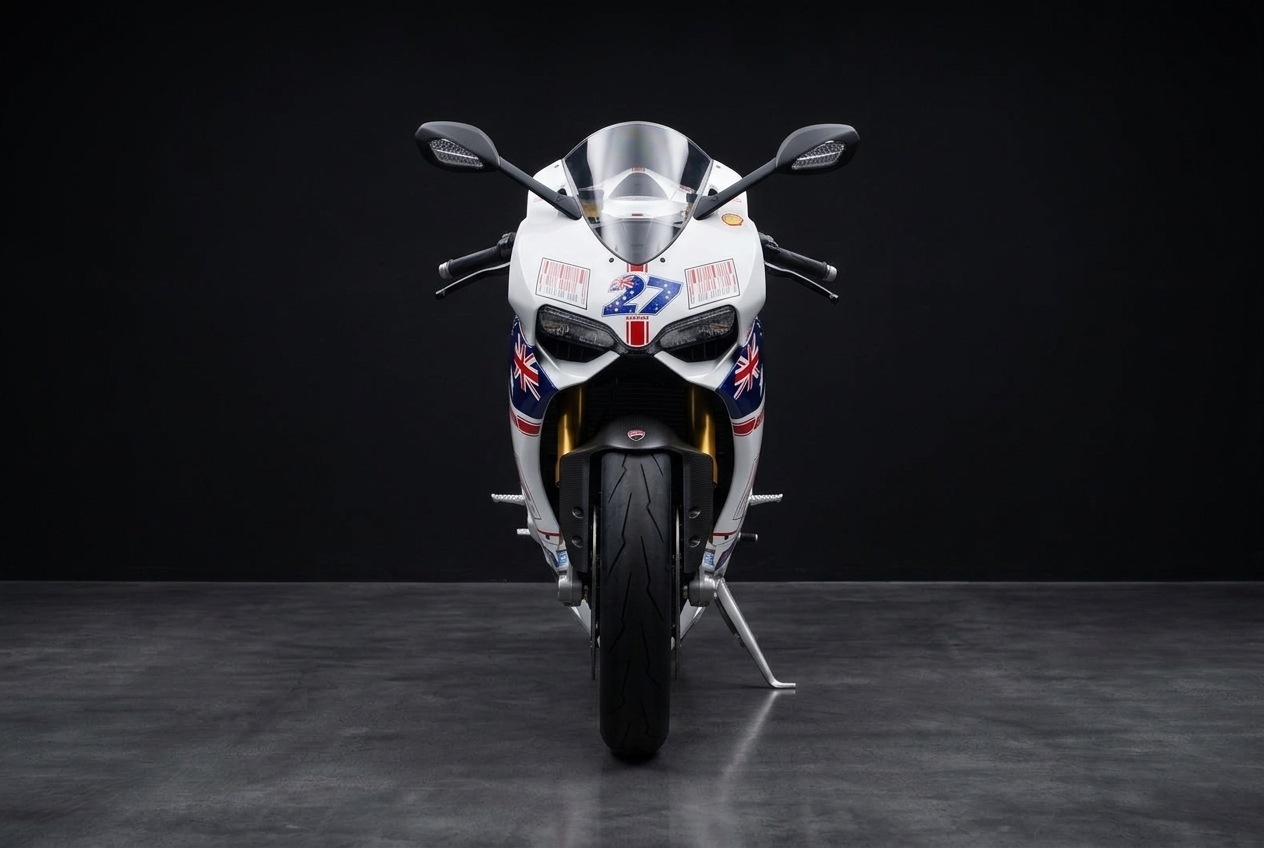
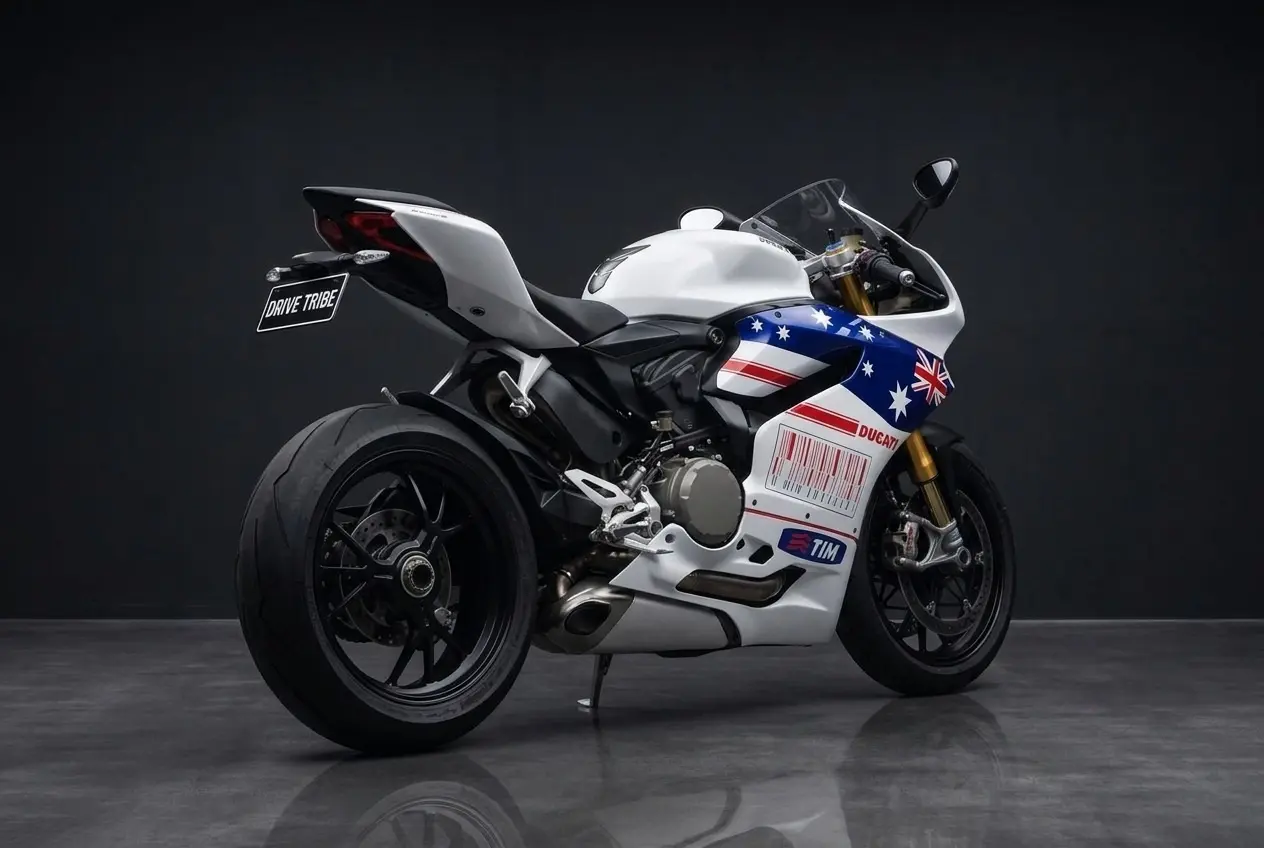
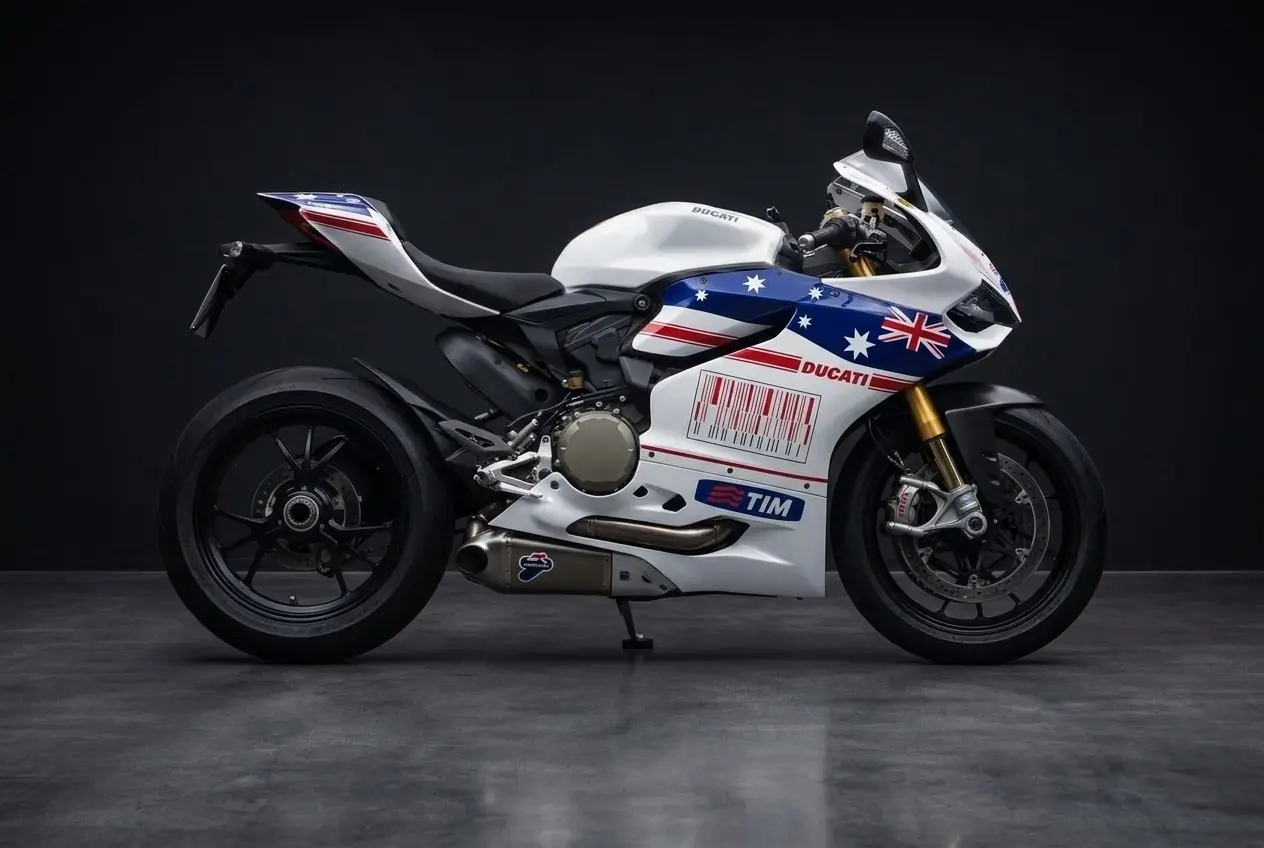
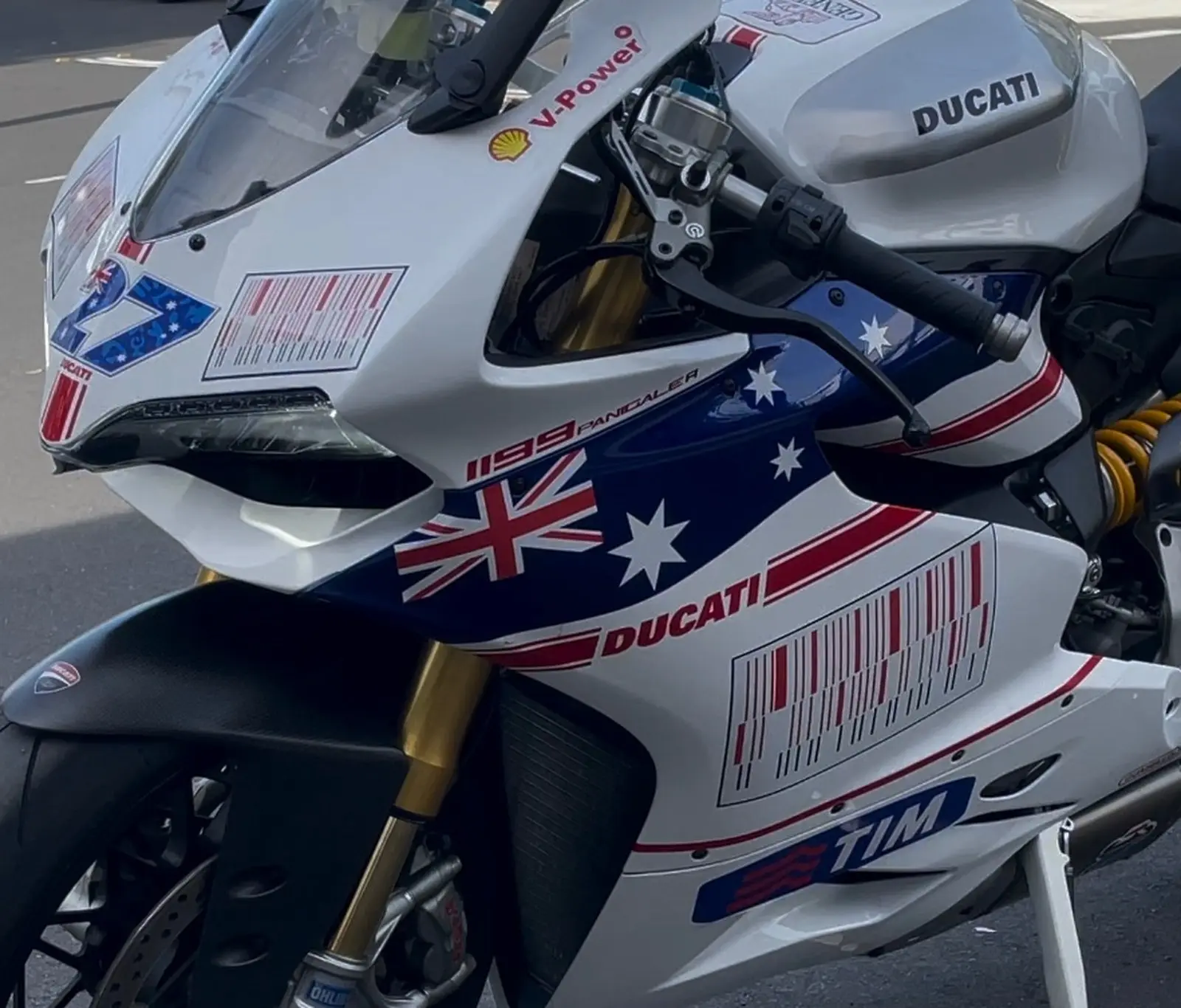
The Ducati 1199R is a striking superbike with an Australian flag livery, gold front forks and black forged wheels. It rewards a rider who treats the machine with respect, because a bike ridden with patience feels composed, precise and ready for the twisty roads it was designed to tackle.
Before you book, confirm your licence and age, pick a day with a settled forecast and plan a route that allows for a gentle start. The bike is built for experienced riders, so choose a plan that puts a calm warm-up ahead of any hard riding.
Ready to take the Ducati out? Reserve the Ducati 1199R and let us help you plan a route with a sensible start. Our team can answer questions about the bike before you set off.
Frequently asked questions
How long should I warm the Ducati 1199R before riding hard?
There is no fixed time, because it depends on the weather and how long the bike has been sitting. Idle briefly, then ride gently for the first few kilometres until the controls feel natural and the engine runs steadily. Avoid hard acceleration until the bike has been running for a while. A cool morning needs more patience than a warm afternoon, so let the bike tell you when it is ready.
Is it harmful to rev the engine while it is stationary?
Revving a cold engine while stationary adds stress before the oil has reached every part that needs it. It offers no real benefit and can make the bike feel rough as it warms. Let the engine idle briefly, then move off gently. Save the sound for when the bike is warm and you are on a suitable road, riding within the rules.
Can I ride straight out of the depot in cold weather?
You can ride away from the depot, but you should ease into the first few kilometres. Choose quiet streets, keep revs modest and avoid sudden throttle or brake inputs. Dress for the temperature before you start, because cold hands and feet make the controls harder to use. If the bike feels odd at any point, pull over safely and check before continuing.
What should I do if the bike feels rough as it warms?
A rough feeling in the first few kilometres can be normal for a cold engine, but it should settle as the bike warms. If it does not, or if you notice a new vibration, a strange smell or a warning light, stop safely and contact our team. Do not push on in the hope that the problem disappears. Early reporting protects both the bike and the next rider.
Does cold weather affect braking on a superbike?
Yes. Cold tyres grip less well, and cold brakes may feel different in the first few stops. Brake gently at first, test the response on a quiet road and allow for a longer stopping distance on cold, wet mornings. Once the tyres and brakes are warm, the bike should respond more predictably, but keep your following distance generous at all times.
Is a warm-up routine needed for a short ride around the block?
Even a short ride benefits from a gentle start, because the engine and tyres are still cold at the beginning. A few calm minutes of riding at low revs is sensible, whatever the distance. Short rides do not need a long ritual, but they do need the same respect for temperature as a long day. Treat every cold start with patience.
Ready when you are. Pick your dates and book the Ducati 1199R online, or call us and we will sort it with you.
Book NowCall 0468 011 118