
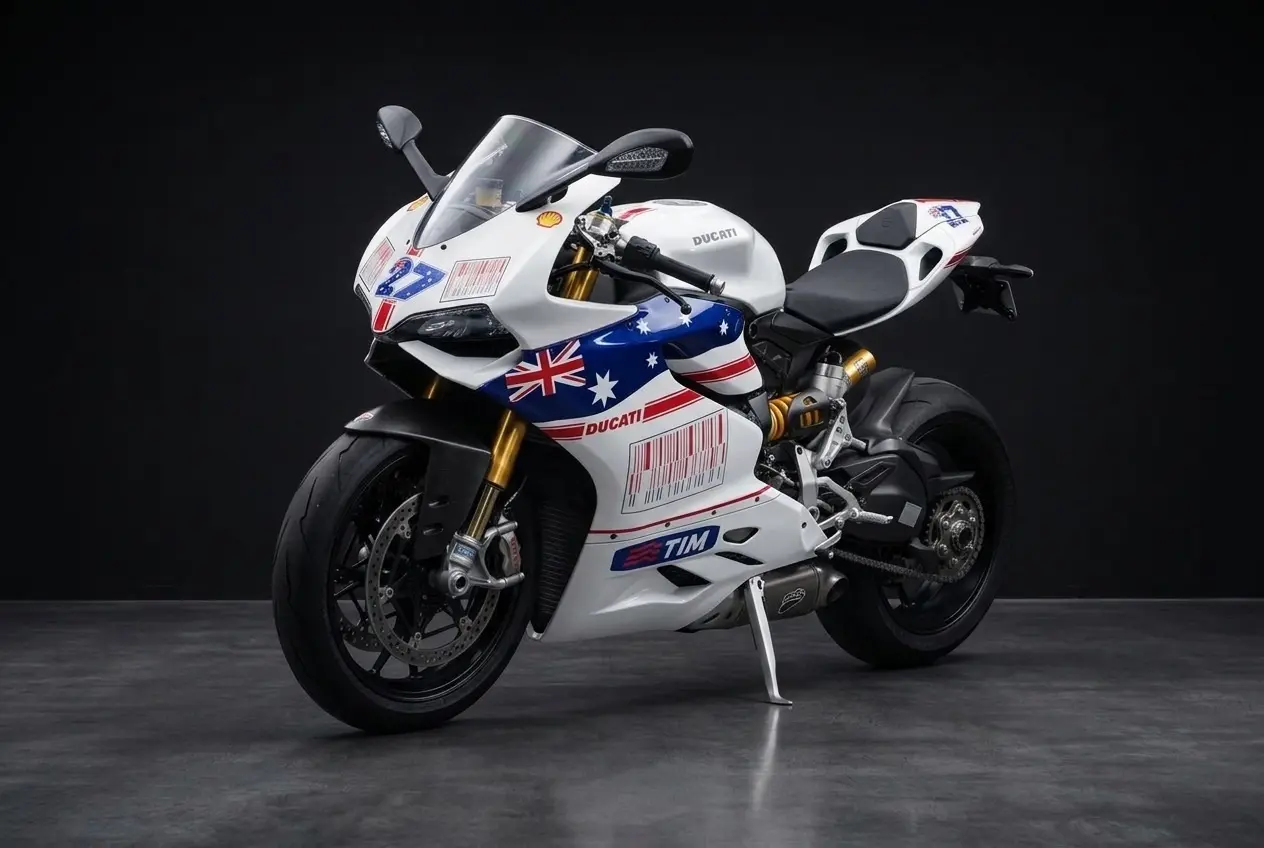
Book the Ducati 1199R. Pick your dates and book the Ducati 1199R online, or call us and we will sort it with you.
Book NowCall 0468 011 118The light changes quickly on a bike. A bright afternoon can turn to deep shadow in the space of one bend, and the low sun at either end of the day can sit right in your line of sight on the open road. Eye protection is one of the cheapest safety decisions a rider makes, yet it is often the last thing packed. This guide walks through how light, glare and visibility work, and how to choose clear or lightly tinted protection for the hours when the sky is changing.
New to riding with us? Our page on motorbike hire in Sydney covers the bikes, the rider rules and how pick-up works.
Why low light is a different problem for riders
In bright daylight your eyes are working comfortably, pupils small and the road sharply defined. Once the sun drops toward the horizon, the picture changes. Contrast falls, shadows stretch across the tarmac and the dips and camber of a road are harder to read. A rider who has been comfortable at noon can suddenly find the edge of the lane blurring against the verge, and that loss of definition is exactly when a clear view matters most.
The other problem is glare. Low sun comes in almost flat, which means it hits the visor or the glasses at a shallow angle and bounces off wet bitumen, car windscreens and polished rails. For a few seconds the road ahead can disappear behind a bright patch. Riders who have experienced this will tell you it is not dramatic, but it is disorienting, and disorientation at speed on a winding road is a serious risk.
Your eyes also take longer to adjust when you move between light and shade. Passing under a stand of tall gum trees or into the cutting of a hillside can leave you briefly blind as your eyes catch up. Good eye protection does not remove that adjustment entirely, but it smooths the transition so you spend less time squinting and more time reading the road.
Clear, light tint or dark tint: what each one is for
A clear lens is the default for most low light work. It passes the most light, keeps colours true and lets you see the road surface, the shoulder and any gravel at the edge of a corner. If your ride will run into the shadows as the sun goes down, a clear lens is usually the most useful option you can carry. It also suits overcast days, when a dark tint would leave you peering into a dull grey picture.
A lightly tinted lens sits in the middle. It takes the harshness off a bright afternoon without the heavy darkening that makes shadows impenetrable. Many riders keep a light tint for the late afternoon run home, because it cuts the sun glare that bounces off the road while still letting enough light through for the detail of the surface. The trade-off is that the tint must be matched to the conditions you actually ride in.
Dark tints are designed for strong sun and high glare. They are the wrong choice once the light starts to fade, because they reduce the brightness of an already dim scene. If you own a dark lens, keep it for the hottest part of the day, and swap to a clearer option as the sun lowers. Changing lenses is one of the simplest habits you can build, and it costs nothing but a few seconds at a rest stop.
- Clear: best for dusk, dawn-adjacent light, overcast days and shadowed roads.
- Light tint: good for late afternoon sun and glare off wet bitumen.
- Dark tint: reserved for strong midday sun, swapped out once the light softens.
Choosing protection that fits your helmet and your face
Eye protection only works if it stays in the right position and does not fog or distort your view. The lens needs to sit cleanly within the opening of your helmet, with no gap at the sides where wind can drive in dust and insects. Try any visor or glasses with your helmet on, looking left, right and up, to check that nothing pinches or shifts. A lens that seems fine in a shop can behave very differently at highway speed.
Anti-fog treatment matters a great deal in the cooler hours. Early morning and evening air is damp, and the warmth of your breath can cloud a lens in seconds, especially at low speed in traffic. A lens that clouds is as dangerous as a dark one, so look for a treatment that stays effective and clean the lens with a soft cloth rather than a rough cloth or a harsh chemical that can leave a film.
Scratches are the silent enemy of low light vision. A scratched visor scatters light and creates ghost images, which look harmless in daylight but become confusing once the sun drops. Keep your lens in a soft pouch, store it away from sand and grit, and replace it once the surface is marked. A clean, undamaged lens is one of the cheapest ways to improve how well you see the road.
Working with the road, not against it
Good eye protection is only part of the picture. The road itself changes as the light falls, and your riding needs to change with it. Shadows from trees and buildings can hide a patch of gravel, a wet leaf or a pothole until you are right on top of it. Slow down a little as you enter a shaded section, and keep your eyes well ahead so you read the surface before the bike reaches it.
Gravel on corners is a real hazard in the cooler hours, because the damp can keep loose material in the apex long after the sun has dried the main road. Our road bikes are not built for gravel or unsealed surfaces, so stick to sealed roads and be extra cautious where the edge of the seal looks worn or broken. If in doubt, slow down and choose a different route.
Wildlife becomes more active as the light fades, particularly on rural roads where kangaroos and other animals move to feed. Scan the verges, watch for eyes reflecting in headlights and cover the brakes earlier than you would at midday. Your eye protection helps here by keeping the view clear, but your speed and your attention do most of the work.
Riding the roads where light changes fast
Some of the best places to ride in New South Wales are also places where light changes quickly. The Bells Line of Road climbs through tree-lined sections where the sun can disappear behind the bush long before the sky darkens. The bends are tight and the surface varies, so a clear lens helps you read the edges of the road and the pattern of the turns as the shade deepens.
The Grand Pacific Drive runs along the coast through the Royal National Park and across the Sea Cliff Bridge. In the late afternoon the sun swings low over the water, and the glare off the ocean can be intense on one side while the road is in shadow on the other. A light tint can be helpful here, though it is worth keeping a clear lens in your pack for the moment the sun sinks behind the headland.
The Princes Highway south of Sydney offers long, open stretches where the light is different again, with fast traffic and the risk of animals crossing from the bush at the edges. Choose your lens for the stretch you are actually riding, and be honest with yourself about whether the conditions suit you. A route that finishes in the dark is not a plan we would recommend for anyone who has not ridden that road in daylight first.
Want the Ducati 1199R for your date? Pick your dates and book the Ducati 1199R online, or call us and we will sort it with you.
Book NowCall 0468 011 118Planning a ride around the light and the hire terms
Planning starts with the calendar. Check the sunset time for the day you are riding, and build your route so the most demanding sections happen in good light. A ride that is comfortable at four in the afternoon can become tiring and risky by seven, so it pays to allow generous time and to know where you will stop. Riders should check road conditions with Transport for NSW before leaving, especially on routes with roadworks or recent weather damage.
Three hire terms matter here, and we set them out once for you. Our machines are self-drive from our Parramatta base, and a rental starts with a minimum of three days. Helmets (Shark, AGV or Bell) can be hired from us in small, medium or large for $50 per hire, or you can bring your own. We do not supply jackets, gloves, pants or boots, so bring your own riding gear. Overnight, from 9pm until 6am, the bike has to sit in a locked garage or a secure off-street spot, so plan your return with that in mind.
Keep your eye protection in a place you can reach without fumbling. A clear lens in a pocket of your jacket, a spare in the pack and a microfibre cloth stored with the lens case will save you from a dangerous moment halfway through a ride. Think of it as part of the gear checklist, the same as gloves and boots, and check it before every ride.
Keeping your eyes fresh over a full day
Eyes tire over a day in the saddle. Constant wind pulls moisture from the surface of the eye, and that dryness makes everything look slightly hazier and more uncomfortable. Blink deliberately, take a few seconds to look at distance and drink water at every rest. Riders who stop regularly tend to see better at the end of the day, which is the time when the light is at its most challenging.
Fatigue and eye strain feed each other. Tired eyes take longer to focus when the light changes, and a headache can start behind the eyes after hours of squinting. If you notice blurred vision, persistent headache or any sudden change in how you see, stop, rest somewhere safe and seek medical advice if it does not settle. Never push on through visual problems in the saddle.
Alcohol makes all of this worse. It slows reaction times, dulls judgement of distance and makes glare harder to manage. No alcohol before or during a ride, and the same goes for any medication that makes you drowsy. A clear head and clear lenses work together, and both are needed to see the road properly when the light is changing.
Best time of day and season for low light riding
Autumn and spring tend to suit low light riding best in New South Wales. The days are shorter but not extreme, the temperatures are mild and the sun sits at a gentler angle for most of the afternoon. Winter brings cold, damp mornings and early darkness, so plan shorter rides and dress for the chill. Summer offers long evenings, but the heat can linger well after the sun has set, and the glare on the way home can be fierce.
The best window for most riders is the late afternoon, when the traffic eases after the main commute and the light turns warm and golden. Weekend crowds on the coastal routes can thicken again around midday, so an afternoon departure often gives you quieter roads for the return. Plan a fuel stop before the shadows lengthen, and pick a place to rest where you can stop safely off the road rather than on a blind corner.
Food and rest stops should fit the light too. A short break at a town before the last stretch lets your eyes recover and gives you a moment to check your lens. Choose a spot with good shade and a clear view of the road you are about to ride. Avoid any pause on the edge of a bend where a passing car could catch you unaware, and always pull well clear of the road surface before you dismount.
Ready to ride the late afternoon route
Low light riding rewards careful preparation. Pick the right lens for the conditions you expect, keep a spare within reach, check the fit with your helmet on and plan your route around the time of day when your eyes see best. Ride within your ability, slow down in shadow and treat every change in the light as a reason to pay closer attention to the road ahead.
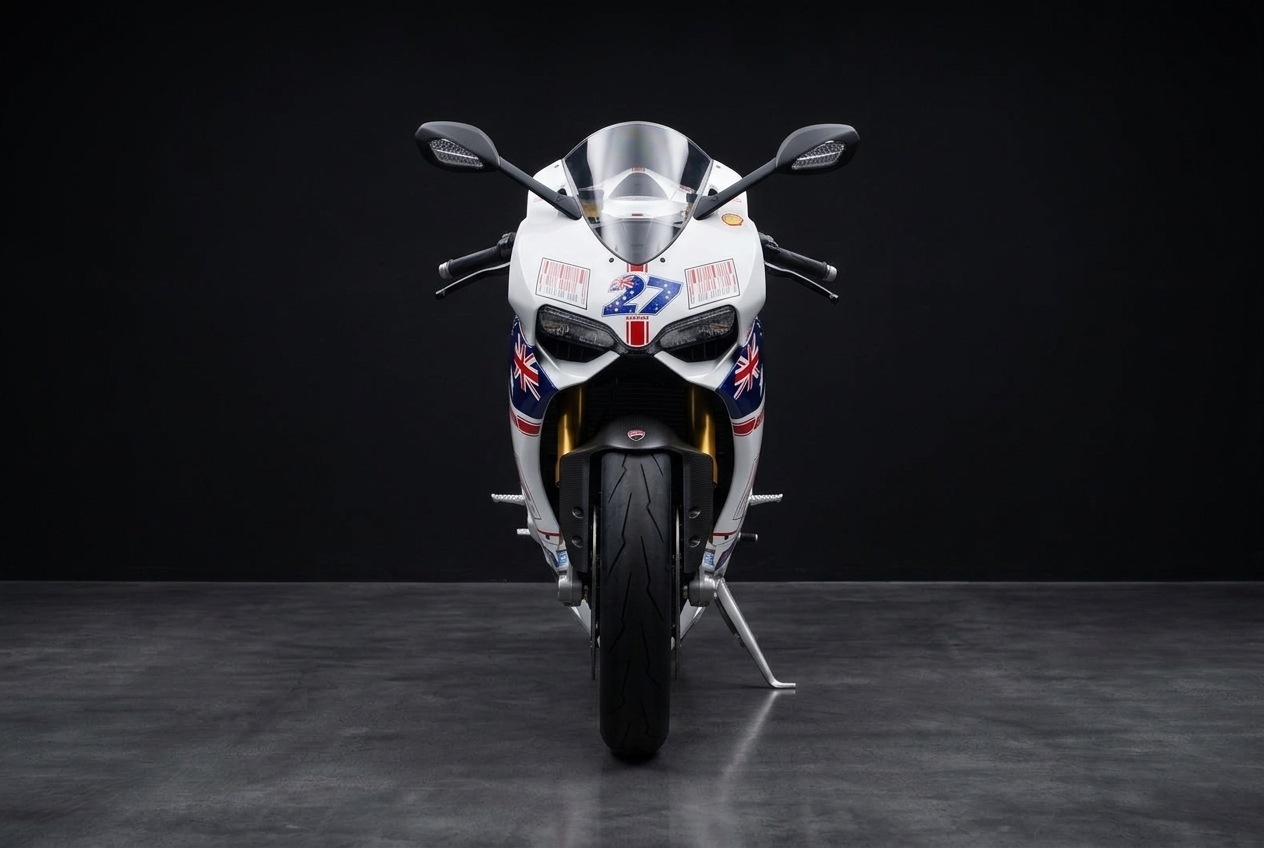
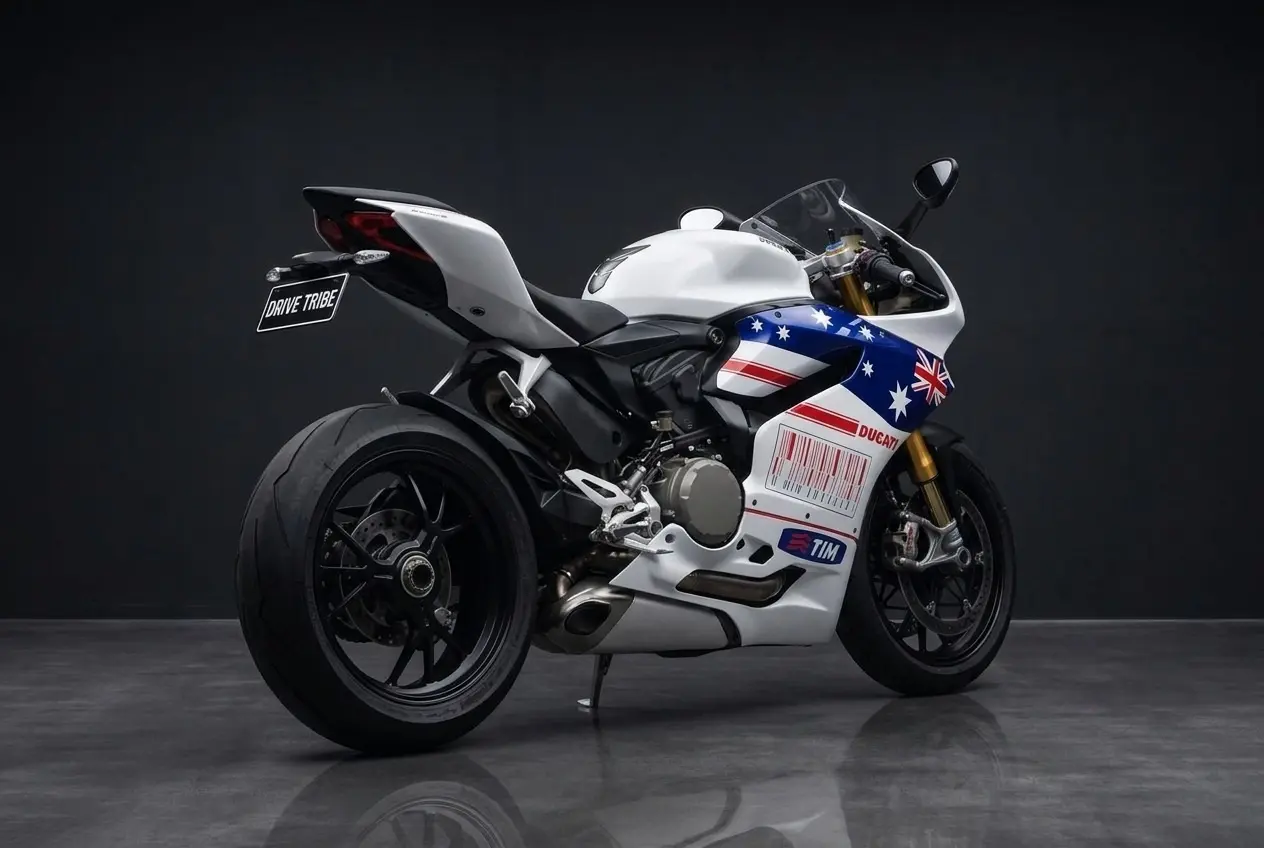
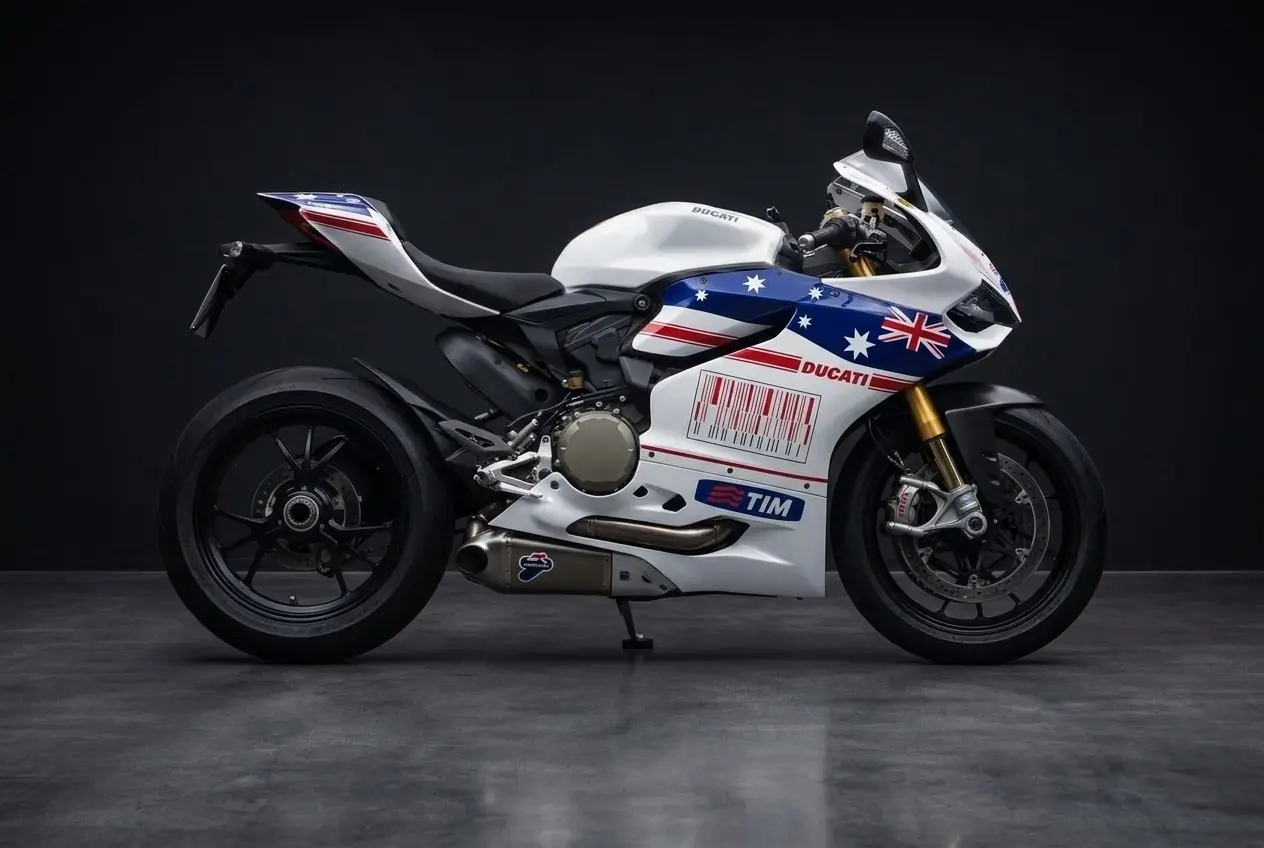
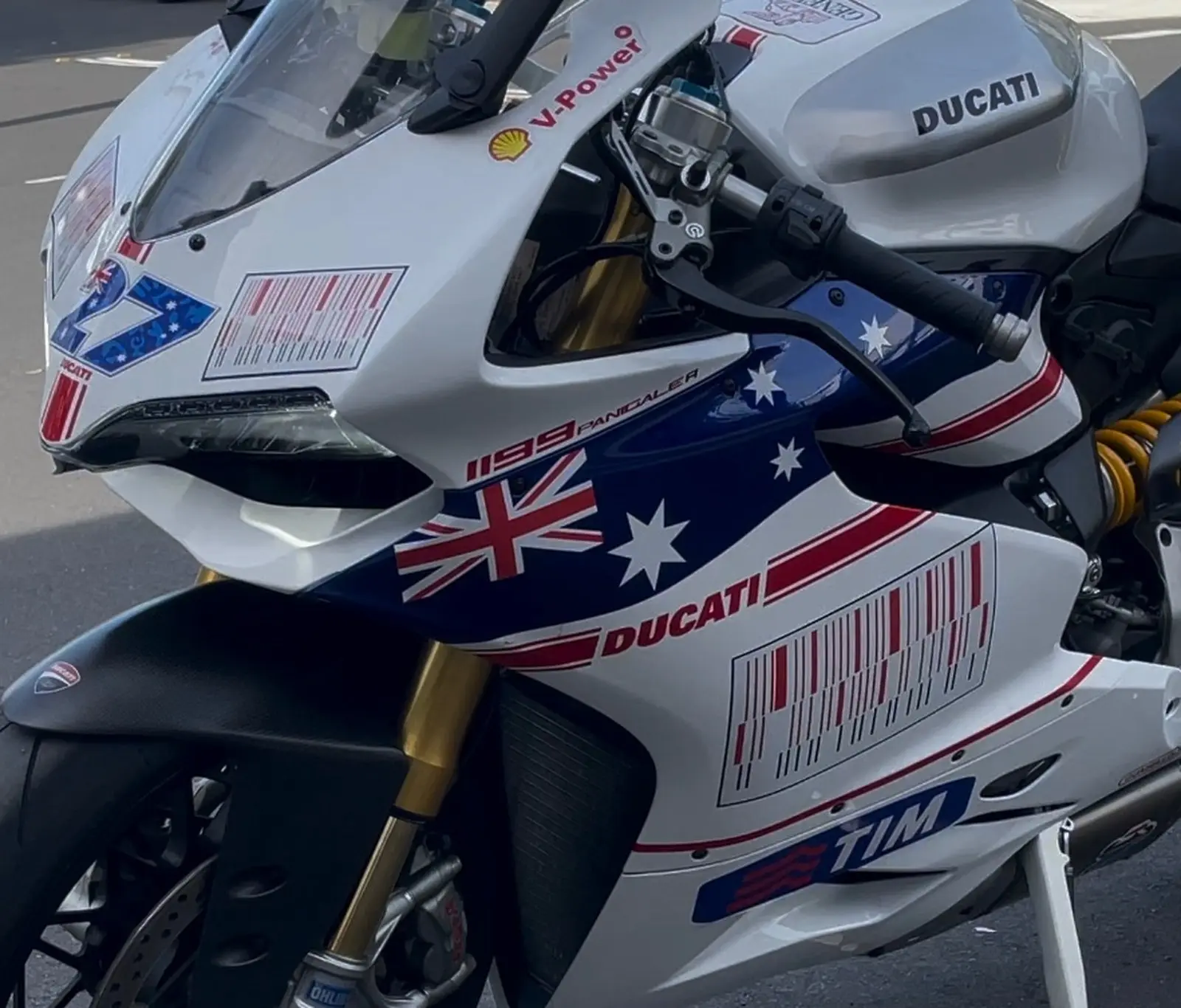
If you are ready to plan a ride that suits the conditions, our Ducati 1199R is the bike we would suggest for experienced riders who want a focused machine with a strong, distinctive look. Its Australian flag livery is a tribute to Casey Stoner and the Australian rider's 2007 world championship on a Ducati, and its 143 kW V-twin gives a sharp, responsive feel. It is a superbike for experienced riders only, so choose your route to match your skill.
When you are ready to take the bike out, see the Ducati 1199R page for the details and to check availability, or browse our full fleet to compare the other bikes we offer. Bring your best lenses, plan the light, and we will see you on the road.
Frequently asked questions
Should I use a clear lens or a tinted one for riding at dusk?
A clear lens is usually the best choice once the light starts to fall, because it passes the most light and lets you read the surface and the edges of the road. A lightly tinted lens can suit the late afternoon when glare is still strong, but a dark tint should be put away as the sun drops. Keep a clear option in your pack so you can swap as the conditions change.
How do I stop my visor from fogging in cool early and late conditions?
Choose a lens with a proper anti-fog treatment, keep it clean with a soft cloth and avoid touching the inside surface. Make sure your helmet ventilation is set sensibly, because warm breath is a common cause of fogging at low speed. Do not wipe the lens with harsh chemicals that can leave a film. If fogging continues, stop safely and let the lens clear before riding on.
Are dark tinted lenses ever a good idea on a motorbike?
Dark tints have a place in strong midday sun and very bright glare, when they reduce the harshness of the light. They are not suitable for dim conditions, shaded roads or overcast days, because they reduce the detail you need to see. Many riders keep a dark option for the hottest part of the day and switch to clear or lightly tinted lenses as the sun lowers.
Do I need special gear to ride in low light?
The core gear is the same as for daytime riding: a helmet, gloves, boots and a protective jacket. What changes is your eye protection and your visibility, so choose a clear or lightly tinted lens that suits the light and keep a spare with you. Our team can talk you through the gear options when you book. Make sure everything fits well and is in good condition before you set off.
Is it safe to ride rural roads when the sun is going down?
It can be, provided you ride within your ability, slow down in shadow and watch the verges closely for wildlife. Rural roads often have gravel on the corners, poor edge lines and animals that move at dusk. Keep your speed under control and stop well short of the distance you can see. If the light is fading fast or the road is unfamiliar, it is wiser to choose a different route.
What should I do if my eyes get tired or dry on a long ride?
Stop at a safe place, blink deliberately, look at a distant point for a few seconds and drink some water. Dry eyes make everything look hazier, so regular rests help. If you notice blurred vision, persistent headache or any sudden change in how you see, do not continue riding. Rest, then seek medical advice if the problem does not settle. Never push on through visual symptoms.
Ready when you are. Pick your dates and book the Ducati 1199R online, or call us and we will sort it with you.
Book NowCall 0468 011 118