
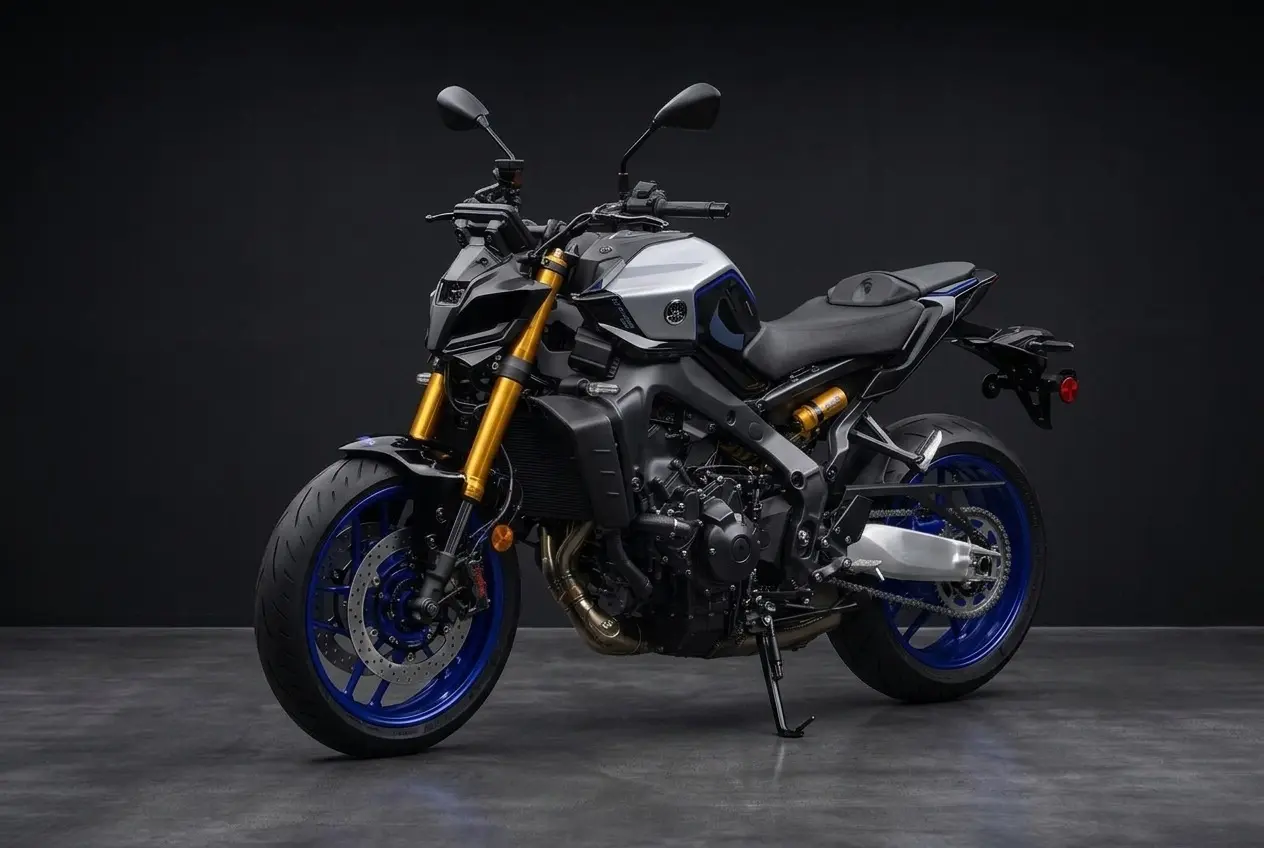
Book the Yamaha MT-09 SP. Pick your dates and book the Yamaha MT-09 SP online, or call us and we will sort it with you.
Book NowCall 0468 011 118Few roads in New South Wales change character as dramatically as the climb into the Snowy Mountains. In winter the high country is buried in snow and the road is often closed, while in spring the hillsides turn green and the air clears. The weeks in between are where a rider needs to pay close attention. Kosciuszko Road rewards a careful spring ride, but only if you respect the snow that lingers in shaded places. This guide covers timing, the patches to watch for and how to prepare the Yamaha MT-09 SP for the high country.
New to riding with us? Our page on motorbike hire in Sydney covers the bikes, the rider rules and how pick-up works.
Why Spring Is the Turning Point on Kosciuszko Road
Spring is the season when the high country begins to reveal itself. As the days lengthen and the air warms, the snow pulls back from the open slopes and the wildflowers begin to appear along the verges. For a rider, that change brings the first real chance to enjoy the mountain road after months of cold and closure.
The timing is never fixed, though. Some years the thaw comes early and the road is clear by mid spring, while in others a late fall of snow can delay everything. Rather than planning around a date on the calendar, plan around the conditions on the day, and be prepared to wait for the mountain to catch up.
Before any spring trip, look up the current status of the road through the official park and road information for the area. Closures, works and snow warnings can change quickly in the high country, and an up-to-date check is the first step of every plan.
Reading the Snow Patches That Linger
The greatest hazard on a spring morning is not the open road but the snow that remains in the shade. Patches can lie on the verges, in the gullies and in the lee of rock faces long after the sun has cleared the open slopes. They often look harmless from a distance, yet they can leave a film of ice or meltwater across the lane.
Look for changes in the colour of the bitumen and the surrounding ground. Dark, wet patches can mean meltwater is running across the road, while a pale, crusted surface can indicate frozen moisture. Bends that sit in deep shade are the most likely to hold ice, so approach them slowly and watch the surface as you enter.
If a patch of snow or ice crosses the road, do not ride through it. Stop well before the hazard, assess the surface on foot if it is safe to do so, and turn back if the road ahead cannot be ridden with confidence. No view or itinerary is worth a fall on frozen ground.
Cold Mornings and Mountain Shade
Spring mornings in the mountains can be bitterly cold, even when the day warms up quickly. Temperatures near the top of the road can be far lower than in the valley, and the air is often damp and still. Riders who set off in light clothing may find their hands and shoulders stiffening before they reach the first big climb.
Dress in layers that can be adjusted during the day. A windproof outer layer, gloves that keep your fingers working and a helmet fitted snugly all help keep the body warm. Cold muscles respond less quickly, so give yourself time to warm up before you ask for any real effort from the bike.
Expect shade to hold the cold long after sunrise. Bends tucked into the trees can stay frosty and damp well into the morning, while open sections on the upper slopes warm up sooner. Let the bike and your body settle before you lean into the corners.
The Surface, the Corners and the Feel of the Climb
Kosciuszko Road is sealed, and the climb offers a sequence of sweeping bends with changing gradients and camber. Some corners open out into long, flowing curves, while others tighten suddenly and demand a smaller line. The surface may carry patches of repair, loose material in the gutters and debris from winter storms, so keep your eyes on the bitumen ahead.
Keep the throttle smooth on the climb and let the engine work at a comfortable rpm rather than pushing hard in low gears. Brake in a straight line before each bend, and roll on gently as the bike leans out of the turn. Smooth inputs help keep the rear tyre settled on a surface that may still be damp.
Our bikes are road bikes, and they should stay on sealed surfaces at all times. Never take a Yamaha MT-09 SP onto gravel or unsealed shoulders, even to avoid a difficult corner or to pass a vehicle, because loose material can break traction in an instant.
Wildlife at Dawn and Dusk in the Snowy Mountains
Wildlife is one of the great pleasures of the high country, and one of its greatest risks. Kangaroos and wallabies graze along the verges in the early morning and at dusk, and wombats may cross roads without warning. Hitting an animal at speed can cause serious injury, so take the early and late hours slowly.
Scan the verges and the edges of the road as you ride, and be ready to brake gently if an animal moves toward the lane. Reduce your speed through known crossing areas and avoid swerving sharply, as that can cause a loss of control. Animals may also appear in groups, so expect more than one.
Riding within your ability means allowing extra time for the wildlife that shares the road. A relaxed pace gives you the reaction time you need, and it also lets you enjoy the views without rushing.
Choosing the Best Day of the Week
Weekdays are generally the best choice on Kosciuszko Road in spring. Traffic is lighter, the lookouts are quieter and the road feels more open for a steady climb. You are also more likely to find the car parks and rest stops free when you want to stop and check your bike.
Weekends bring a much fuller road. Families, caravans, tour coaches and groups of riders can all share the same bends, and some drivers may be looking at the view rather than the road. If you must ride at a weekend, leave early and keep a generous gap to other vehicles.
Weather can matter more than the day itself. A clear, calm spring morning is ideal, while a forecast of rain, wind or sudden cold can make even a quiet weekday unpleasant. Check the forecast the day before and be ready to change your plan if the mountain looks unsettled.
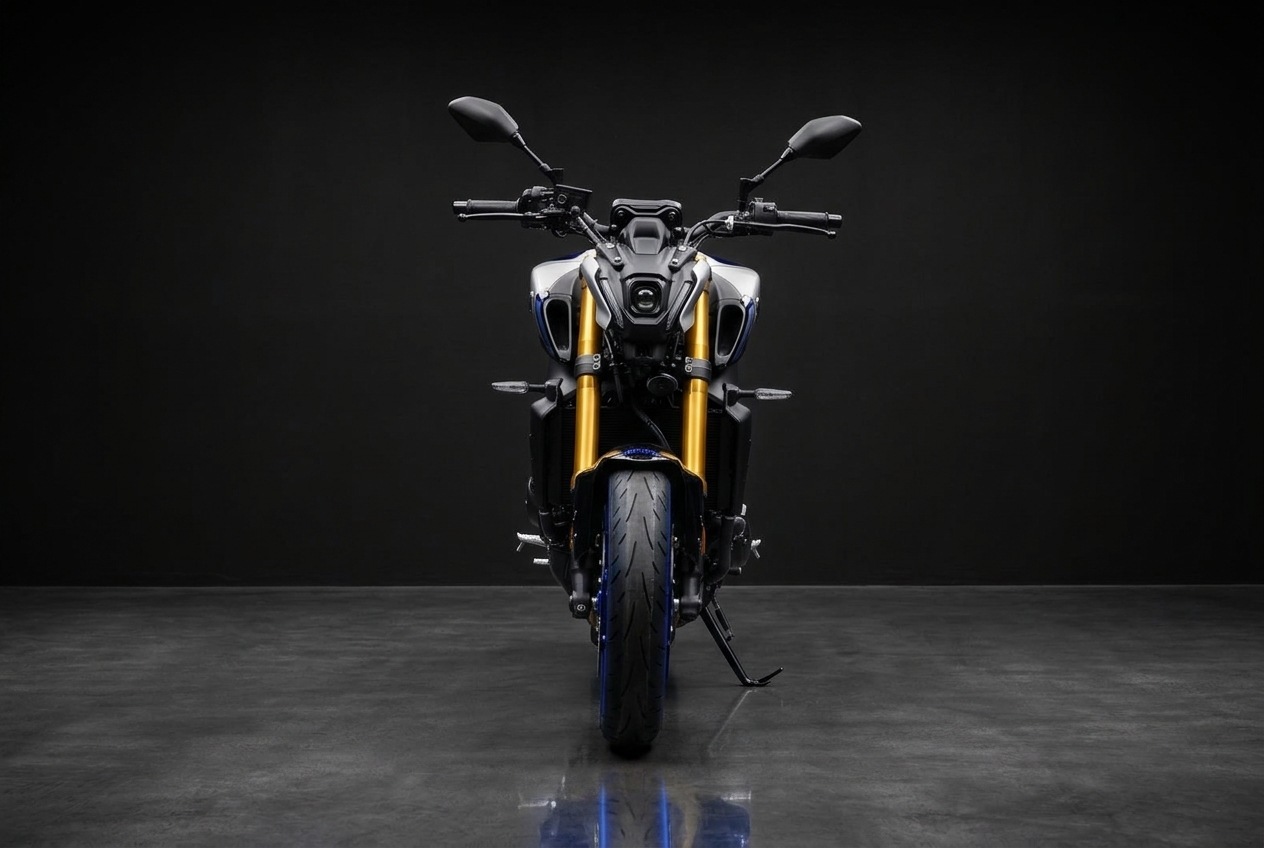
Want the Yamaha MT-09 SP for your date? Pick your dates and book the Yamaha MT-09 SP online, or call us and we will sort it with you.
Book NowCall 0468 011 118Planning Fuel and Food Around the Route
Fuel should be planned before you leave the valley, because services in the mountains are spaced far apart. Top up in a larger town before the climb, and carry a sensible reserve in case of delays. Opening hours at smaller stations can vary, especially in the shoulder seasons, so do not rely on a stop you have not confirmed.
Jindabyne is the natural base for a spring ride, with a range of cafés, bakeries and shops to stock up before you head up the mountain. Take a proper break there and let the bike and your body warm up before the climb. Park on level ground and check tyre pressures and the bike before you set off.
On the mountain, food stops are limited, so pack a snack and a warm drink if you plan a long day. A thermos of something hot can make a big difference on a cold morning, and it gives you a reason to stop and enjoy the view safely.
Best Time of Day and Season for the Ride
Spring is the season, but the time of day matters as much. Late morning is often the most comfortable period, once the frost has lifted from the open ground and the shade has begun to warm. Early starts are fine, though the first hour can be bitterly cold and the surface may remain damp in the shade for much longer.
Late afternoon brings its own challenges. The light can soften and fall quickly across the mountains, and wildlife becomes more active as the sun drops. Plan to be back in the valley well before dusk, and avoid pushing on in fading light.
Early spring can still feel like winter, while late spring is generally warmer and more settled. Mid spring offers a good balance of open road and manageable weather, but it is always worth checking conditions on the day. The best ride is the one you plan around the mountain rather than the calendar.

Safety on the High Country Road
Fatigue is a serious risk on a long climb and a cold descent. The constant concentration, the cold and the altitude can all leave you drained. If you feel tired or stiff, stop at a safe spot, stretch and drink water before continuing. Never ride after drinking alcohol, because it slows reactions when the surface and weather demand the sharpest attention.
Fog can roll across the high country without much warning, reducing visibility at the top of the climb. Slow down, use the lights and keep a wide margin to other traffic. If the fog thickens, pull over somewhere safe and wait for it to lift rather than pressing on.
Check road conditions with Transport for NSW before you leave the valley, even if the forecast looks good. Keep your speed within the posted limit, and remember that the mountain can change in the time it takes to ride the climb.
Riding the Yamaha MT-09 SP Into the High Country
Here are the practical points before you book. You must hold a full motorcycle licence that has been held for at least three years, and be aged 25 or older for every bike you hire. Bikes are collected from our Parramatta base, and hire is for a minimum of three days. The MT-09 SP is the only bike in our fleet that carries a passenger, with one passenger allowed if they are aged 16 or over. Gear can be arranged through us for a daily fee per rider, or you can bring your own.
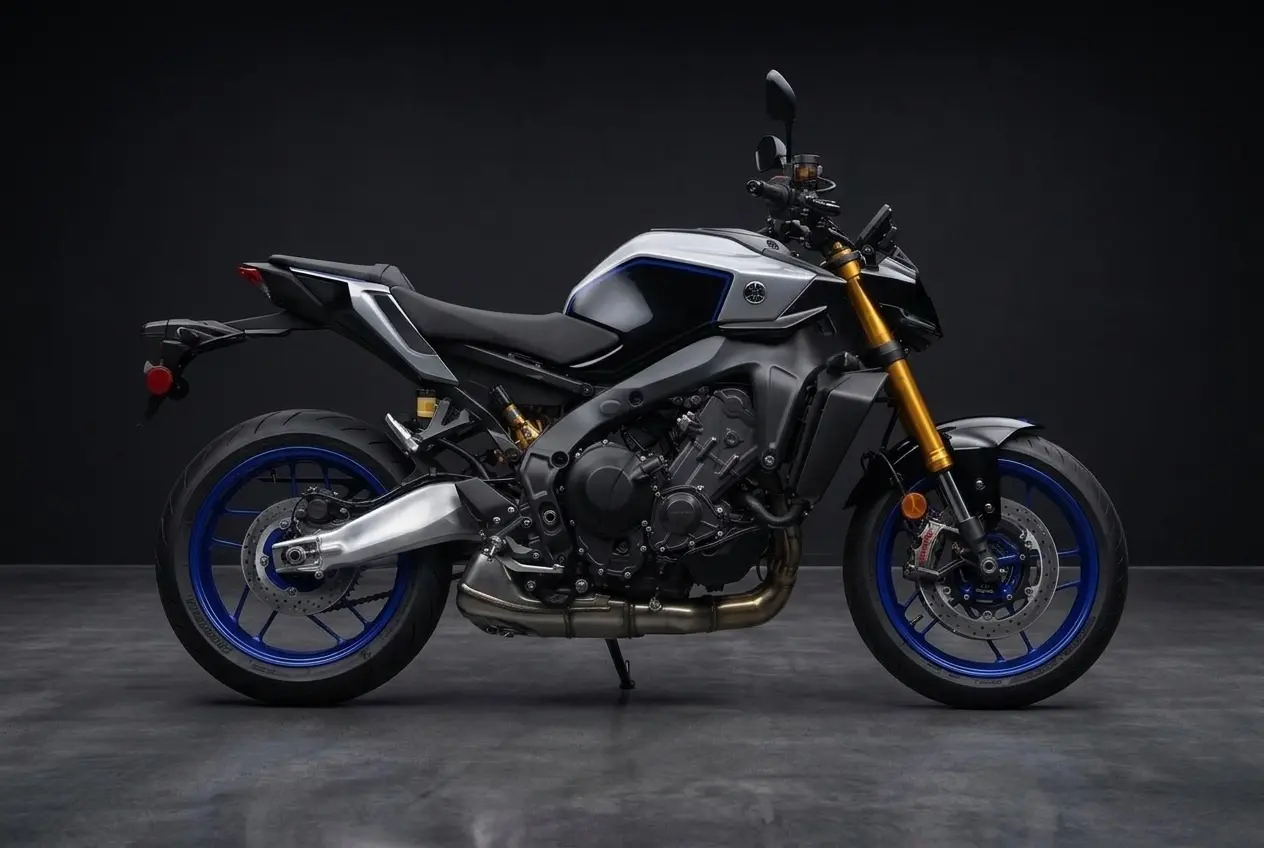
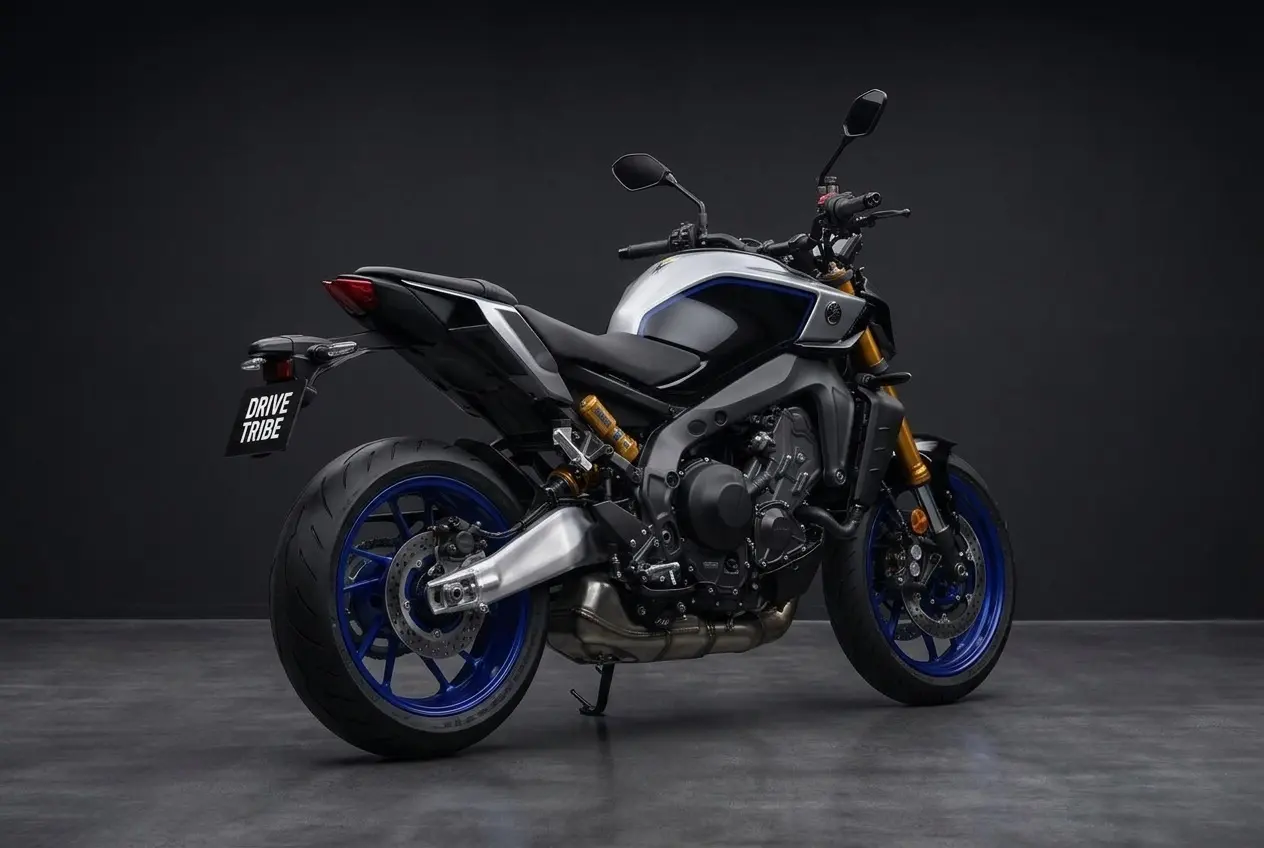
The Yamaha MT-09 SP is an inline three performance naked bike with premium adjustable suspension, strong brakes and gold front forks. Those brakes give confident stopping power for a mountain descent, and the suspension helps the bike cope with the patchy surfaces that can linger in spring. Ride with patience and let the bike settle into each bend.
When you are ready to plan your spring ride into the Snowy Mountains, book the Yamaha MT-09 SP with Drive Tribe. We will help you choose the right weekday, check the conditions and set off with a plan that puts safety and enjoyment first.

Frequently asked questions
When does Kosciuszko Road usually open after winter?
The road often reopens as the snow clears in spring, but the exact timing changes from year to year. Heavy snowfalls can delay the reopening, and closures can occur at short notice. Look up the current status through the official park and road information before you plan a ride, and do not rely on a fixed date.
Is it safe to ride Kosciuszko Road in spring?
It can be, provided you plan carefully. Watch for snow patches and ice in shaded areas, expect cold mornings and be ready for changing weather. Ride at a steady pace on sealed surfaces, keep a generous gap to other vehicles and turn back if the surface or the conditions look unsafe.
Are there places to refuel on the mountain?
Fuel is limited on the mountain, so plan to top up in a larger town before the climb. Opening hours can vary in the shoulder seasons, so do not assume a station will be open. Carry a sensible reserve in case of delays, and check the route before you leave the valley.
What should I wear for a spring ride in the mountains?
Wear layers that you can adjust through the day, with a windproof outer layer, gloves that keep your fingers working and a helmet fitted snugly. Cold mornings and shaded bends are common in spring, so warm clothing is essential. Eye protection suits the bright, reflective light on the open slopes and helps you spot hazards more easily.
How do I deal with wildlife on the road?
Scan the verges and edges of the road, especially at dawn and dusk when kangaroos and wombats are most active. Reduce your speed through known crossing areas, brake gently if an animal moves toward the lane and avoid sudden swerves. Expect animals to appear in groups, and keep a steady pace so you have the time to react.
Should I ride the mountain road on a weekend in spring?
Weekdays are generally quieter and more relaxed. Weekends bring families, caravans, tour coaches and groups of riders, so the road can feel crowded at lookouts and bends. If you must ride on a weekend, leave early, keep a generous gap and plan your stops for quieter places.
Ready when you are. Pick your dates and book the Yamaha MT-09 SP online, or call us and we will sort it with you.
Book NowCall 0468 011 118