
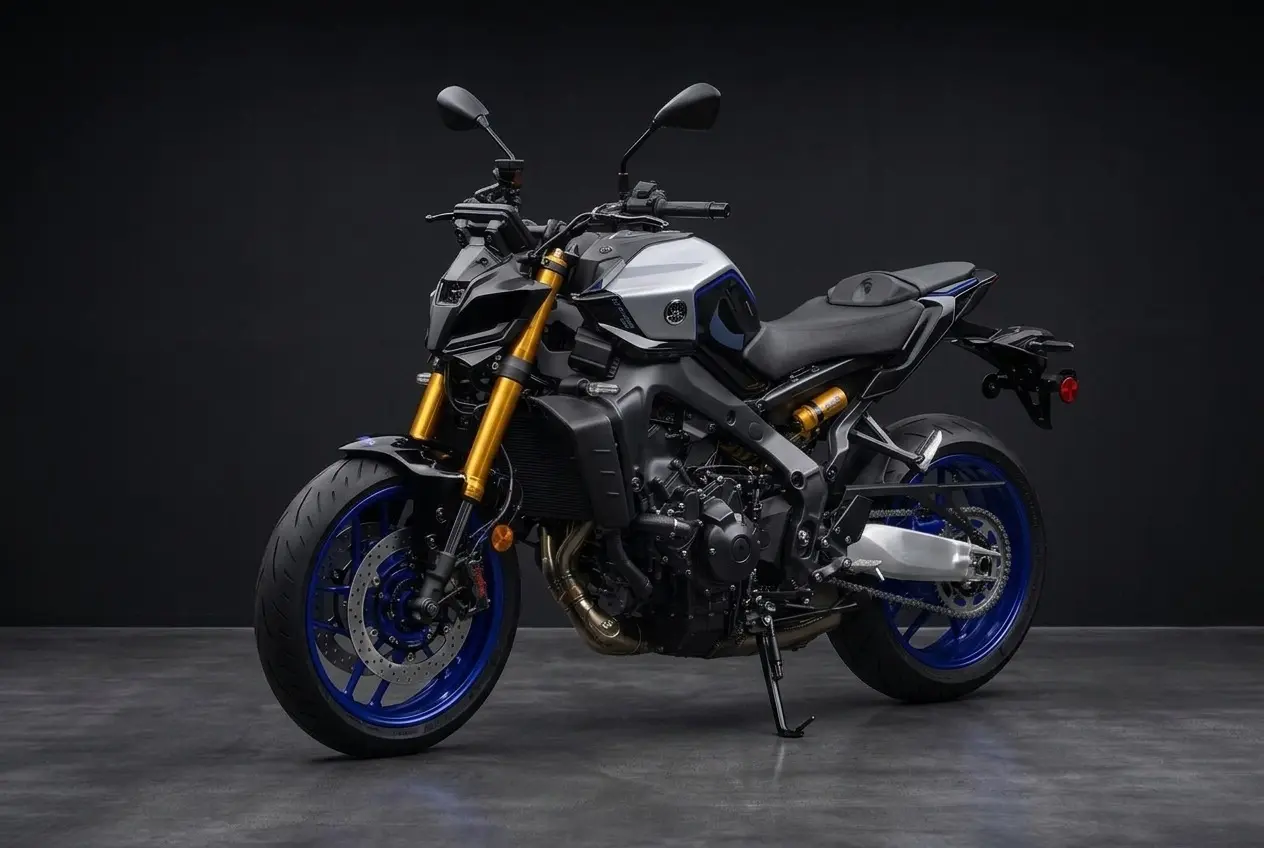
Book the Yamaha MT-09 SP. Pick your dates and book the Yamaha MT-09 SP online, or call us and we will sort it with you.
Book NowCall 0468 011 118Sydney's best riding roads are also some of its busiest for cyclists. Coastal routes, hill climbs and bush roads draw weekend riders on pushbikes, and they can appear around a bend without much warning. A motorbike that comes up quickly behind a cyclist, or moves wide to pass one, needs to be ready for a wobble, a sudden lane move or a car door opening. This piece sets out how to read the road, leave the right room and ride with cyclists safely on every route we rent for.
New to riding with us? Our page on motorbike hire in Sydney covers the bikes, the rider rules and how pick-up works.
Why cyclists are the hardest road users to predict
Cyclists are vulnerable, quick to change position and often sharing a lane with cars and motorbikes. A cyclist can drift towards the edge to avoid a drain, swerve around a pothole or react to a sudden gust, and they may do all of this with little warning to a rider behind. Because they are close to the ground and out of the line of sight of many drivers, they are easy to overlook. A motorbike rider who expects the unexpected will give them far more room.
The other difficulty is the speed range. A cyclist might be moving at a steady pace on a flat stretch, then slow sharply on a climb or race down a descent without much warning. That difference in pace can close the gap quickly, which is why a rider who is following a cyclist needs a generous buffer and a clear plan for overtaking. Expect the unexpected, and you will rarely be caught out.
The routes where cyclists gather
Sydney's coastal roads, bush routes and hill climbs attract a great many cyclists, especially on weekends and public holidays. The roads that wind through the northern beaches, the southern coastline and the hills to the west are popular for pushbike training, group rides and weekend outings. Many of these roads are narrow, with limited shoulders and frequent bends, so a cyclist and a motorbike share the same tight space.
Before you ride a new route, look at the road ahead for signs of cyclist traffic. Groups often ride two or three abreast, and they may stretch out over a long section of road. Familiar landmarks and cafe stops along a route tend to attract cyclists, so expect more of them near those spots. A rider who notices a group ahead should slow early, read the spacing of the riders and choose a safe moment to pass or wait behind them.
Door zones and parked cars
Parked cars create some of the most dangerous situations for cyclists and motorcyclists alike. A driver or passenger may open a door into the path of a cyclist without checking the road, and a cyclist may swerve out to avoid that door at the last moment. The area beside parked cars, sometimes called the door zone, is a risk for any rider who is passing close to the kerb.
Give parked cars a wide berth, and be ready for cyclists to move out of the door zone at short notice. If you are following a cyclist past a line of cars, keep your distance and watch for the movement of the cyclist's shoulders and head, which often signal a change in line. Where the road is narrow, it may be better to wait behind the cyclist until the stretch is clear, rather than trying to squeeze past in a tight gap.
Watch the parked vehicles themselves. A car with a driver in the seat, a car with its lights on or a car with a window open can all suggest that someone is about to move. Slow down as you approach and keep your position in the lane so you are not pinned between a parked vehicle and a cyclist swerving to avoid a door.
Sudden lane moves and wobbles
Cyclists can move across a lane quickly. A pothole, a patch of loose gravel at the edge of the road, a gust of wind or a car passing too close can all cause a cyclist to shift their line. Some riders also glance over their shoulder before pulling out, and a sudden change in direction can be hard to anticipate. Treat every cyclist as a possible source of sudden movement, and make sure your braking distance allows for it.
Look at the cyclist's body rather than just the bike. Shoulders, head turns, hand signals and changes in pedalling can all signal a move. Many cyclists give a clear signal, but not all of them do, and you should not assume that a signal means the lane is safe. Keep your speed reasonable when following, and be ready to slow or move out wide with your own line if necessary.
Avoid riding alongside a cyclist for any length of time. A bike that sits level with a cyclist for several seconds leaves little room for either rider to react if one of them moves. Pass only when the road ahead is clear for a long stretch and the gap is comfortable, and keep the pass brief so you are not sharing the lane for longer than necessary.
Passing cyclists safely
Passing a cyclist is one of the most important skills on a Sydney route. Wait until you have a clear view of the road ahead, including any oncoming traffic, and check your mirrors before you move out. Give the cyclist as much room as the road allows, and make the pass steady and smooth rather than sudden. A pass that is slow and predictable is far safer than one that is quick and surprising.
Leave as much space as you can when you move past. On a narrow road, the usual rule is to keep a clear margin wide enough that a cyclist can wobble without touching your bike. Where the road has a centre line or double lines, keep to the rules and do not cross into oncoming traffic to pass. If an oncoming vehicle appears, wait behind the cyclist until the road is clear rather than squeezing into a small gap.
Once you are past, return to your lane with a clear margin and keep an eye on the cyclist in your mirror. Avoid cutting in too tightly, because a cyclist who is still moving may need time to recover. A calm, patient pass leaves the cyclist in control and keeps you in control of your own bike.
Want the Yamaha MT-09 SP for your date? Pick your dates and book the Yamaha MT-09 SP online, or call us and we will sort it with you.
Book NowCall 0468 011 118Weekend crowds and time of day
Weekend mornings bring the heaviest cyclist traffic to many Sydney routes. Groups set out early, and the roads can be busy with pushbikes, cars and motorbikes all sharing the same stretch. Riding a little later in the morning can mean fewer cyclists on the road, although some groups ride through the middle of the day as well. Midweek rides are generally quieter, giving you more space and a steadier pace.
We never start a ride before 6am, and the early hours also bring cold conditions and mist on the low roads. Late morning to mid-afternoon is usually a comfortable window, with better light and more predictable traffic. Aim to finish your ride before the light starts to fade, because dusk brings lower visibility for everyone on the road and makes cyclists harder to see.
Weather affects cyclists too. Wet roads can be slick and cyclists may ride more cautiously, changing their line or braking earlier. Cold mornings can make cyclists stiff and less responsive. Check the forecast the night before and again on the morning of your ride, and allow extra room for cyclists whenever the road is wet or cold.
Riding the Yamaha MT-09 SP around cyclists
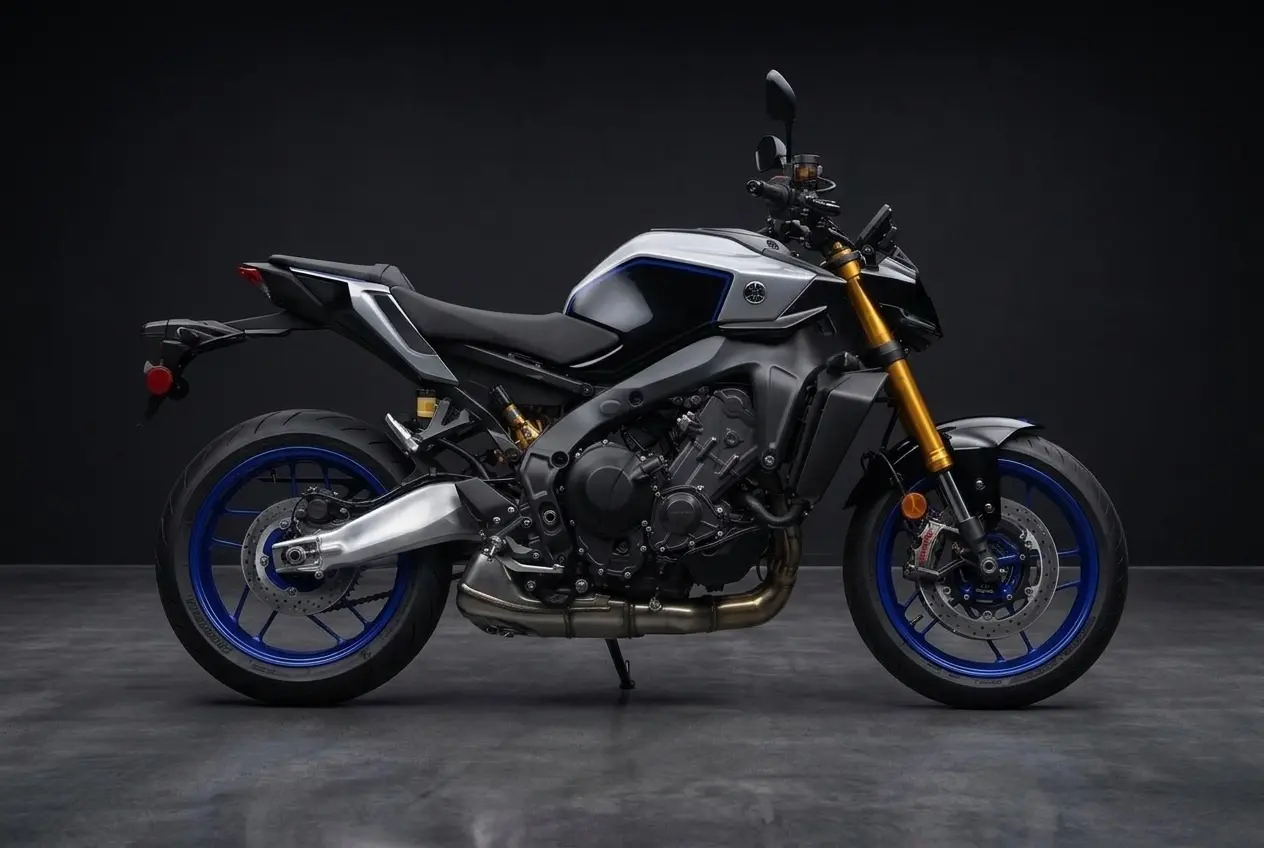
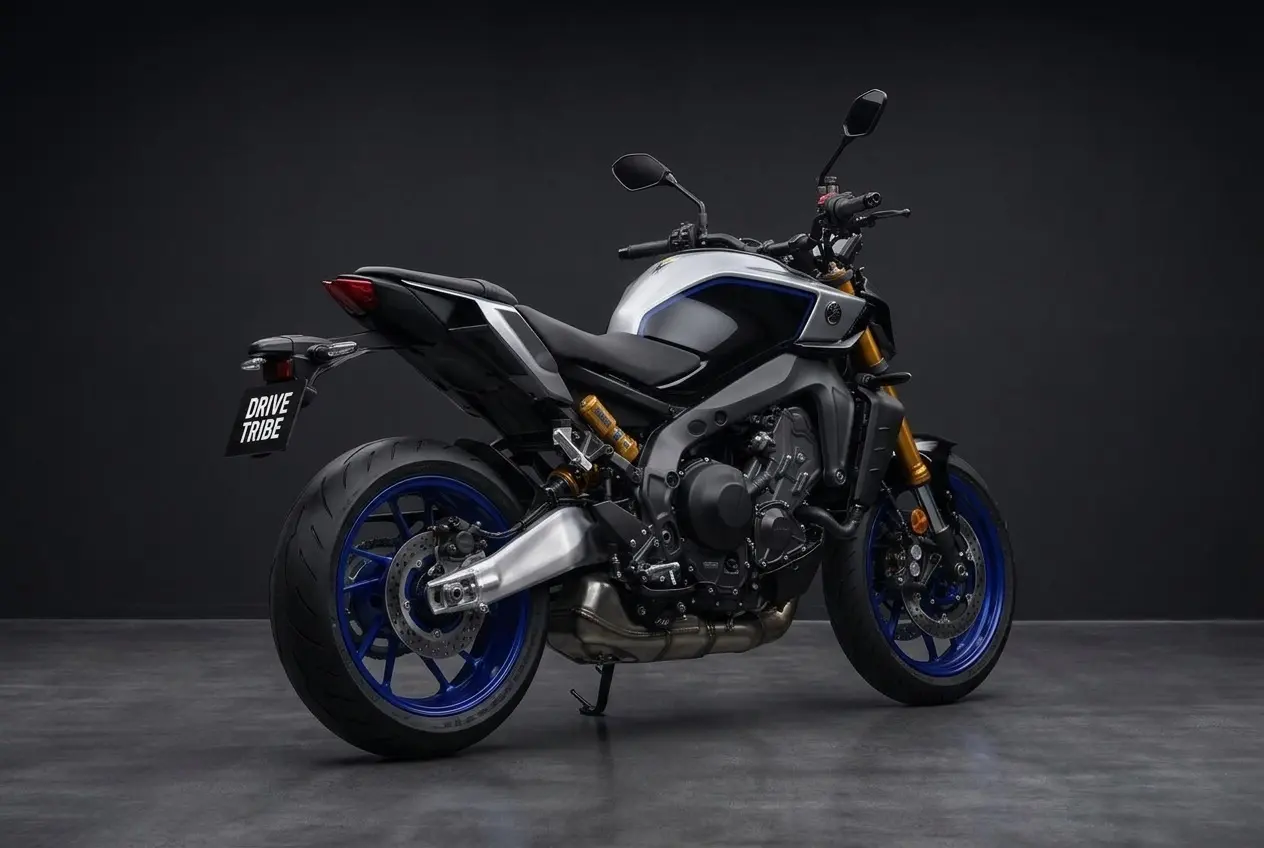
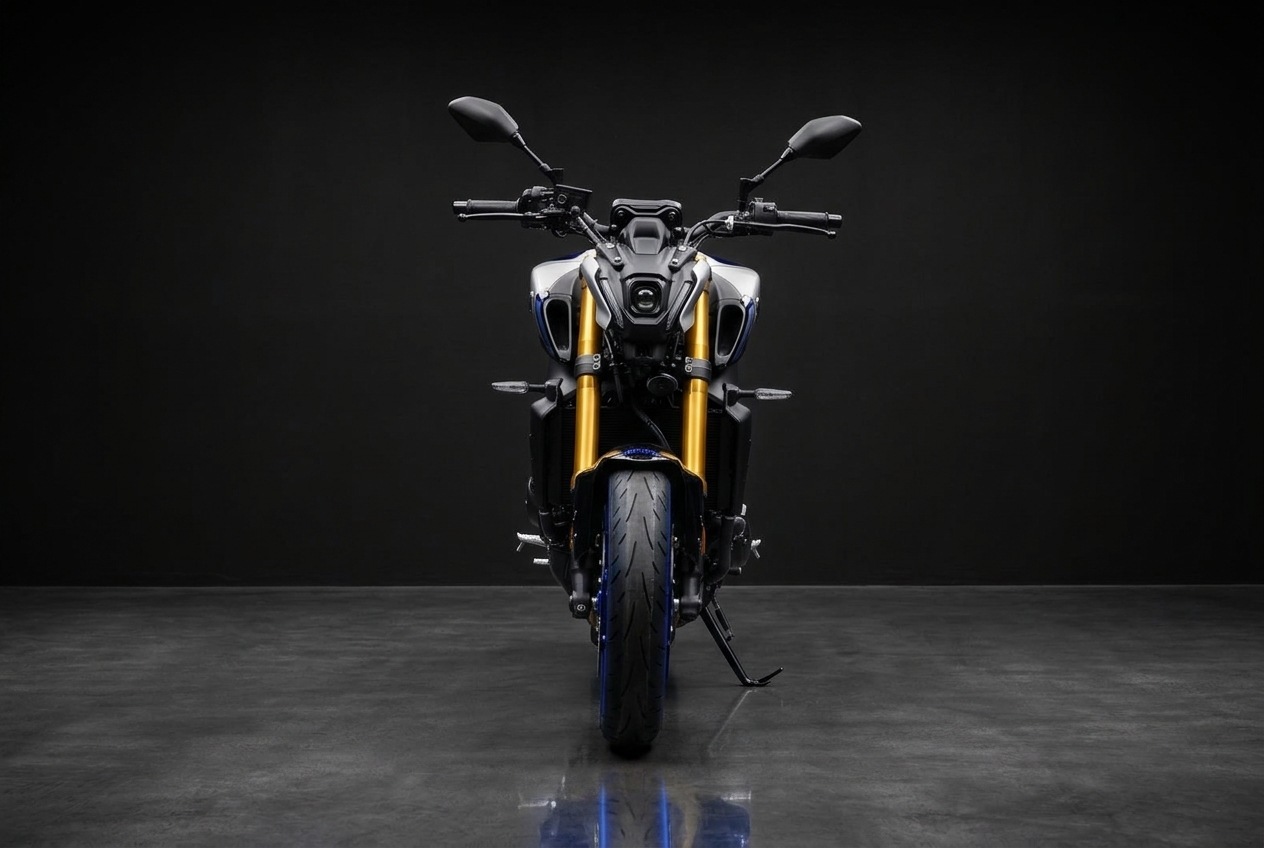
Our Yamaha MT-09 SP is a naked road bike with strong brakes and premium adjustable suspension. Those brakes are a real advantage when a cyclist moves unexpectedly, but they are only useful if you are already slowing early enough to use them smoothly. The bike gives you a clear view of the road and the traffic around you, which helps when you are reading the position of cyclists ahead.
Take time to learn how the bike feels before you ride a route with heavy cyclist traffic. Test the brakes gently in a quiet area, check your mirrors and set your riding position so you can react easily. Familiarity with the bike lets you focus on the cyclists and the road rather than on the controls, and that focus is what keeps everyone safe.
A calm approach matters more than any bike feature. Ride within your ability, keep your speed sensible and allow yourself plenty of time to react. The Yamaha is a capable companion on Sydney's routes, but the rider's patience and awareness are what make the difference when a cyclist changes line in front of you.
Safety gear, fatigue and sealed roads
Good gear protects you if something goes wrong. A fitted helmet, a riding jacket with armour, gloves, boots and motorcycle pants give you the protection you need on routes shared with cyclists. Bright or high-visibility gear helps you stand out to cyclists and drivers, particularly in the early light and in the shade of trees. Make sure your gear fits well and is in good condition before every ride.
Fatigue affects your reactions, and it can make you less patient with cyclists. A tired rider may pass too close, misjudge a gap or lose focus on a corner. Take a break every hour or so, drink water and step off the bike if you feel drowsy or distracted. Never ride after drinking alcohol, and do not ride if you have taken medication that makes you drowsy.
Our bikes belong on sealed roads only. Some routes near cyclist country have unsealed or gravel sections, and those sections do not suit a road superbike or a naked road bike. If your route turns to gravel or dirt, turn back to sealed road and find another way. Before you ride, check road conditions with Transport for NSW, particularly on hill routes where surfaces can change quickly.

Hire terms and planning your Sydney ride
Our bikes are self-drive from Parramatta on a three day minimum hire. Every rider must hold a full motorcycle licence for at least three years and be aged 25 or over on every bike, and every bike is fitted with a tracker. Plan your route with those points in mind, and build time into your day so you are never rushing through a stretch of road shared with cyclists.
Sydney gives you some of the best riding in the country, from the coast to the hills, and most of it is shared with pushbike riders who deserve the same respect as any other road user. A patient, aware rider will find these routes rewarding, and the Yamaha MT-09 SP is a sensible choice for the job.
If you want help planning a ride that avoids the busiest cyclist hours and suits your experience, we are happy to talk it through. Tell us the dates you have in mind, the routes that interest you and how much riding you have done, and we will help you choose the right bike and timing. Reserve your dates with us and we will get you ready to ride.
Frequently asked questions
How much room should I leave when passing a cyclist?
Leave as much room as the road allows, enough that the cyclist could wobble or move slightly without touching your bike. Pass only when the road ahead and any oncoming traffic are clear for a long stretch, and make the move smooth and steady. Do not cross double lines or a centre line to pass. If the gap is tight, wait behind the cyclist until you have a safer opportunity.
What is the door zone and why does it matter?
The door zone is the area beside parked cars where a driver or passenger may open a door into your path or a cyclist's. Cyclists often swerve out of the zone at short notice, which can bring them into your lane. Slow down when passing parked cars, keep your position in the lane and watch for people sitting in the front seats. Where the gap is narrow, it is safer to wait behind the cyclist until the stretch clears.
Should I follow a cyclist closely on a hill?
No. Cyclists often slow sharply on climbs and may weave to manage their effort, which can close the gap quickly. Keep a generous following distance, watch the cyclist's body for signs of a change, and be ready to slow. Look for a safe place to pass only when the road ahead is clear for a long stretch. A patient approach is always safer than sitting close behind a rider on a climb.
Are cyclists more common on Sydney's weekends?
Yes, weekend mornings bring the heaviest cyclist traffic to many coastal, bush and hill routes around Sydney. Groups ride early, and the roads can be busy with pushbikes, cars and motorbikes. Midweek rides are generally quieter and give you more space. Plan your ride with the cyclist traffic in mind, leave room in every pass and avoid riding in the busiest hours if you can.
Does the Yamaha MT-09 SP suit busy cyclist routes?
The Yamaha MT-09 SP is a naked road bike with strong brakes and premium adjustable suspension, which give you control when a cyclist moves unexpectedly. Its clear view of the road helps you read the position of riders ahead. Learn the bike's brakes and suspension feel in a quiet area before you ride a busy route. Ride within your ability and keep your attention on the riders around you.
What should I do if a cyclist moves into my lane?
Stay calm, ease off the throttle and brake smoothly if you need to. Look for a clear line around the cyclist and move out wide only if the road is clear. Avoid sudden swerves that could bring you into oncoming traffic. If you have time, sound a gentle warning, though never rely on it alone. Once the situation is clear, return to a steady pace and keep a generous gap for the rest of the stretch.
Ready when you are. Pick your dates and book the Yamaha MT-09 SP online, or call us and we will sort it with you.
Book NowCall 0468 011 118