
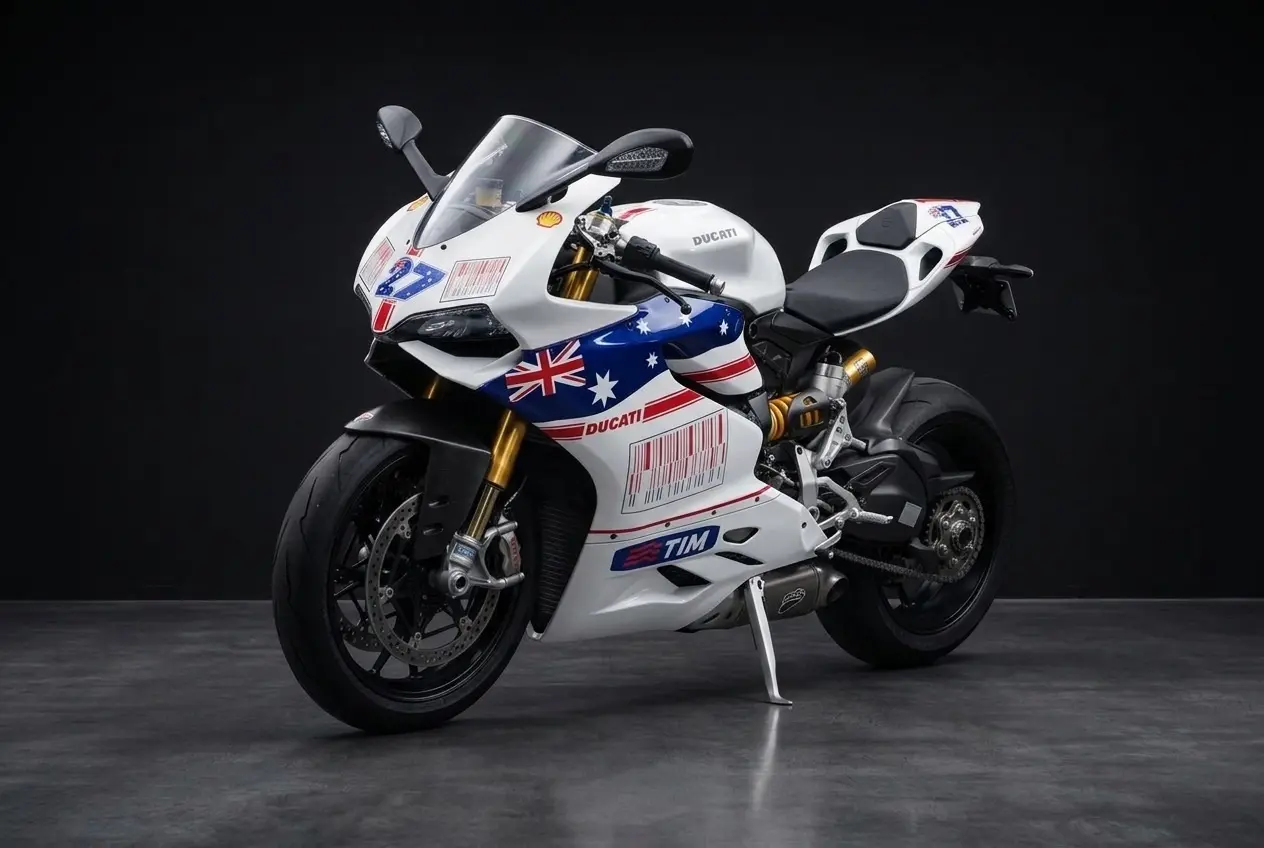
Book the Ducati 1199R. Pick your dates and book the Ducati 1199R online, or call us and we will sort it with you.
Book NowCall 0468 011 118The first few kilometres on a bike you have never ridden can feel strange. The steering may seem slightly different, the front may feel light in a corner and the grip can seem less certain than you expect. Often that feeling comes from the tyres, which need time to warm and clean up before they offer full grip. This piece explains what tyre scrub and warm-up feedback mean, how to read the first kilometres calmly and how to build confidence on the Ducati 1199R or any hire bike without rushing the process.
New to riding with us? Our page on motorbike hire in Sydney covers the bikes, the rider rules and how pick-up works.
What tyre scrub actually means
Tyre scrub is the process of wearing off the surface layer that a new tyre carries, and of bedding the rubber into the road. Many new tyres have a coating from manufacture that reduces grip until it wears away, so the first few hundred kilometres can feel less secure than the tyre will later.
The effect is not dramatic, but it is real. Surface grip grows as the tyre works and the rubber meets the road, and the bike feels more settled with each kilometre. A rider who expects that gradual change will read the early feel of the bike more accurately.
Scrub is not a reason to ride recklessly. It is a reason to treat the start of a ride as a warm-up, with gentle inputs, moderate lean and extra space around you. Once the tyres are working properly, the bike responds as the rider expects.
Keep in mind that scrub does not happen all at once. A few short, gentle rides can do more for the feel of the tyres than one long, hard session, because they let the rubber work evenly across the surface. Riders who rush this stage often find the bike unpredictable in the early corners, and that unpredictability is exactly what a warm-up is meant to prevent.
Why cold tyres feel different
Temperature matters too. Cold tyres grip less well than warm ones, and that difference is most noticeable in the first few kilometres, particularly on a cool morning. The rubber needs heat from riding to soften slightly and conform to the road surface.
Cold tyres can feel hard and slightly greasy, and the bike may seem to resist leaning. A calm start lets the tyres warm gradually, with gentle acceleration and braking that heat the rubber without overloading it.
On a cold morning, avoid hard cornering until the bike has covered a few kilometres. Warm tyres give a more predictable feel, and you will notice the difference as the bike settles.
The first kilometres: a calm start
Begin on a quiet road, ideally one you know. Pull away smoothly, avoid sudden throttle and let the engine build revs gradually. Use this stretch to check the brakes, the throttle response and the way the bike turns at low speed.
Keep the early gears gentle and the bends wide. Test the brakes with gradual pressure rather than emergency stops, and note how the bike responds at each step. Each small test tells you something about the bike and the tyres.
Do not rush to the twisty section. Give yourself a few kilometres of steady riding before you tackle corners, and let the bike show its character in a relaxed way.
Think of the opening stretch as a checklist rather than a race. Confirm that the controls feel normal, that the mirrors show a clear view and that the bike turns smoothly in both directions at walking pace. Once those basic checks feel natural, you can move on to the bends with a clearer mind and a far better sense of what the bike is telling you.
Reading the feedback through the bars
The bars and the seat tell you a great deal. Notice whether the steering feels light, heavy or unsettled at low speed, and whether the front seems to track straight. Small changes in weight or vibration can be early signs of how the tyres are behaving.
Listen as well as feel. A harsh or irregular sound from the tyres on the road can indicate that grip is changing, and a sudden loss of feel is a signal to ease off. Trust your senses and respond gently.
Stay relaxed in the hands and arms. Tension makes it harder to read the feedback, because a tight grip masks the small changes you need to notice. A loose, attentive hold gives you the clearest picture of the tyre.
Lean angles and the warm-up stage
Build lean angle slowly. On the first corners, take a wide line, keep the speed moderate and lean only as far as the tyres seem to allow. Avoid sharp direction changes until you have a clear sense of grip.
Watch for the moment the bike feels settled in a bend. That is often the sign that the tyres are working well. Increase your confidence gradually, but keep the lean and the speed within a margin that leaves room for the unexpected.
The Ducati 1199R is a focused machine with a V-twin and 143 kW, and its responses are sharp. That sharpness is a reason to take the warm-up seriously, because a quick, powerful bike rewards a rider who has built a feel for the tyres first.
Keep your lean inputs consistent from one corner to the next. A rider who varies the lean sharply from bend to bend makes it harder to learn how the tyres behave. Repeating a smooth, moderate lean on a few familiar corners builds a useful reference, and the tyres reward that patience with more predictable grip as the kilometres add up.
Wet patches, shaded corners and grip
Early in a ride, the road itself can add challenge. Wet patches under trees, dew in the shade and oil on the apex can all reduce grip. Treat any shaded corner with extra care, even when the rest of the road looks dry.
Painted markings, metal covers and bridge decks are slippery areas that test a warming tyre. Avoid braking or leaning hard on those surfaces until the bike has settled, and keep your line clear of them where you can.
Check the road ahead for changes in colour and shine. A surface that looks dark and wet may be oil or water, and it deserves a slower approach than a dry patch beside it.
Want the Ducati 1199R for your date? Pick your dates and book the Ducati 1199R online, or call us and we will sort it with you.
Book NowCall 0468 011 118Best time of day and season for the first ride
Autumn and spring offer the most comfortable conditions for a first ride on a new bike. Temperatures are moderate, the roads are usually dry and the light is clear. Winter mornings can be cold and damp, with frost and dew in shaded corners, so warm the tyres gently and wait for the sun to reach the road.
The best time of day is often mid morning, once the air has warmed and the dew has cleared from the road. Wait until the morning chill has eased, since no ride should begin before 6am. Quiet weekday mornings make ideal conditions for a calm first run.
Before you leave, check conditions with Transport for NSW, since works, closures and damp patches can affect the first stretch of any route. Weekends bring traffic and visitors, so save the twisty roads for when the bike feels settled.
Plan the first ride as a short loop that lets you return to base without rushing. A relaxed loop that finishes when you are ready makes it easier to stop, check the bike and reflect on how the tyres felt, rather than pushing on because the day has run out of time.
Fuel and food before a longer day
Top up before you set out, so you are not learning the bike and hunting for a station at the same time. Check the range before you head into longer stretches, and keep a margin in reserve on quiet roads.
Eat a light breakfast before you ride. A relaxed start with a small meal and a drink of water keeps your mind clear for those early kilometres, when you are learning how the bike feels.
Pause at a quiet, level spot after the first stretch. Check the tyres for debris, look at the road surface and let your hands loosen before you continue. A short check helps you confirm what you have learned so far.
Gear, fatigue and first-ride nerves
Good gear helps you ride with confidence. A full face helmet that fits well, gloves for a secure grip, an armoured jacket, long trousers and boots that cover the ankles should be worn on every ride, including the first kilometres.
First-ride nerves can make you grip the bars too tightly and hold your breath through corners. Notice when that happens, breathe out, relax your shoulders and bring your focus back to the road ahead.
Fatigue slows your reading of the tyres and the bike. If you feel tired, stop somewhere safe, rest and drink water before carrying on. A rider who is alert and calm learns a bike far faster than one who is worn out.
Hire rules and booking the Ducati 1199R
Riders need a full motorcycle licence held for at least 3 years, and must be aged 25 or over on every bike. The Ducati 1199R is a single-seater, and a security bond is held, set by the class of bike. Every bike in the fleet carries a tracker.
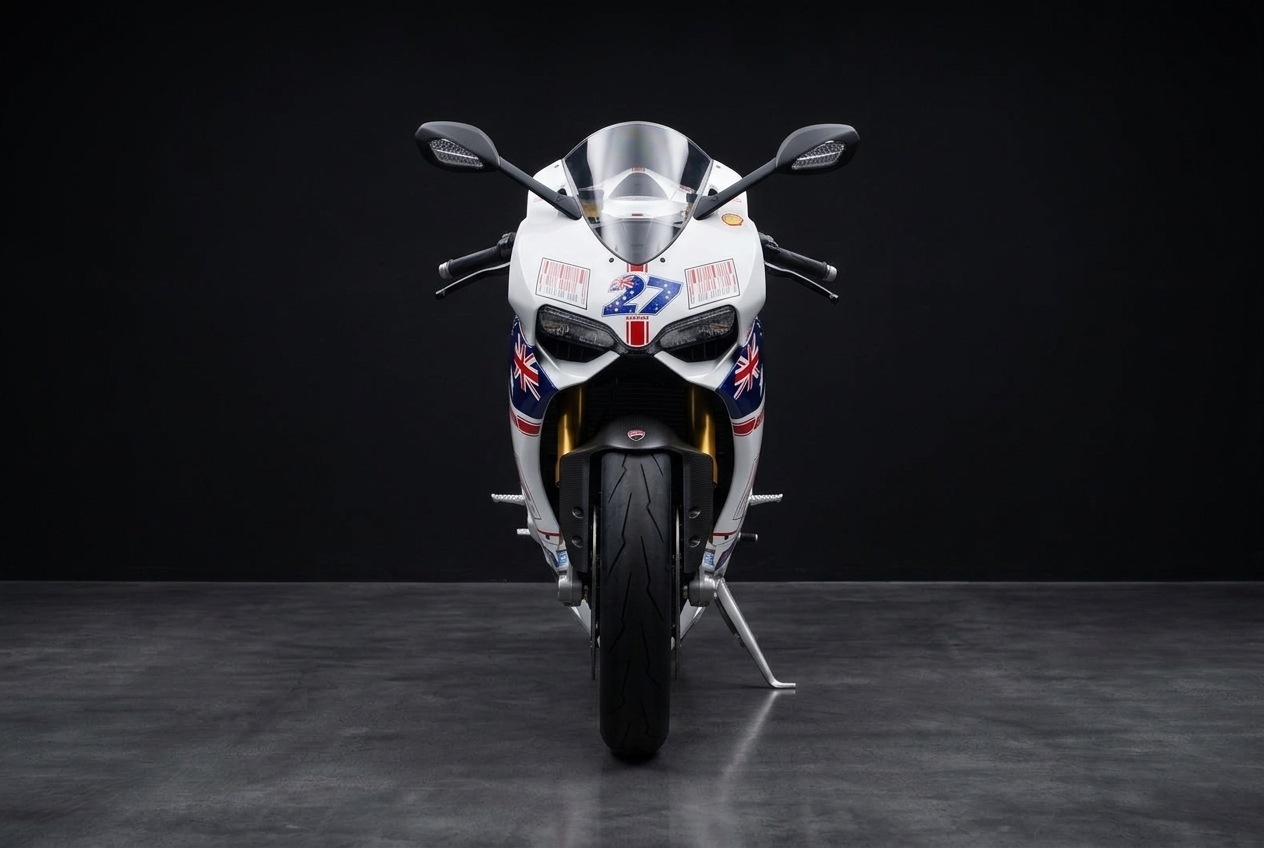
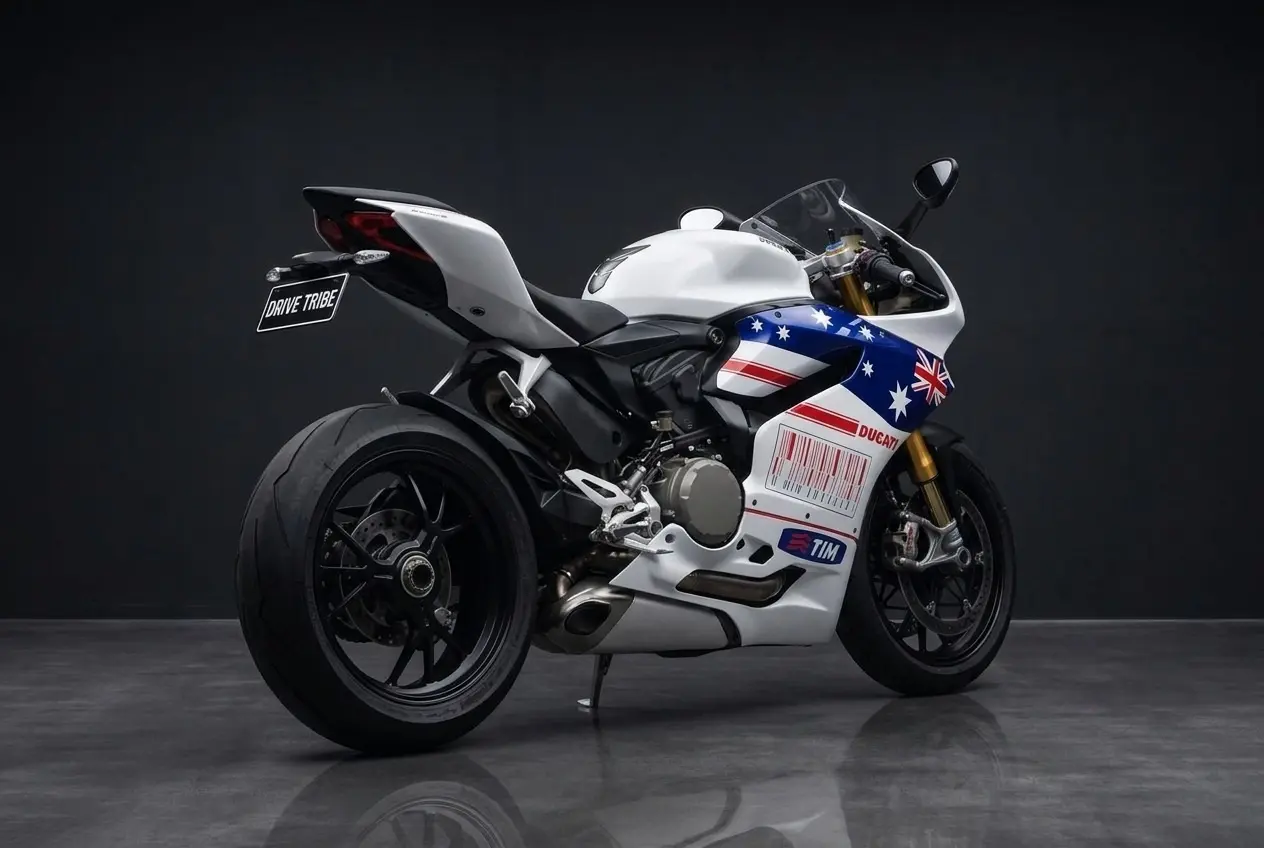
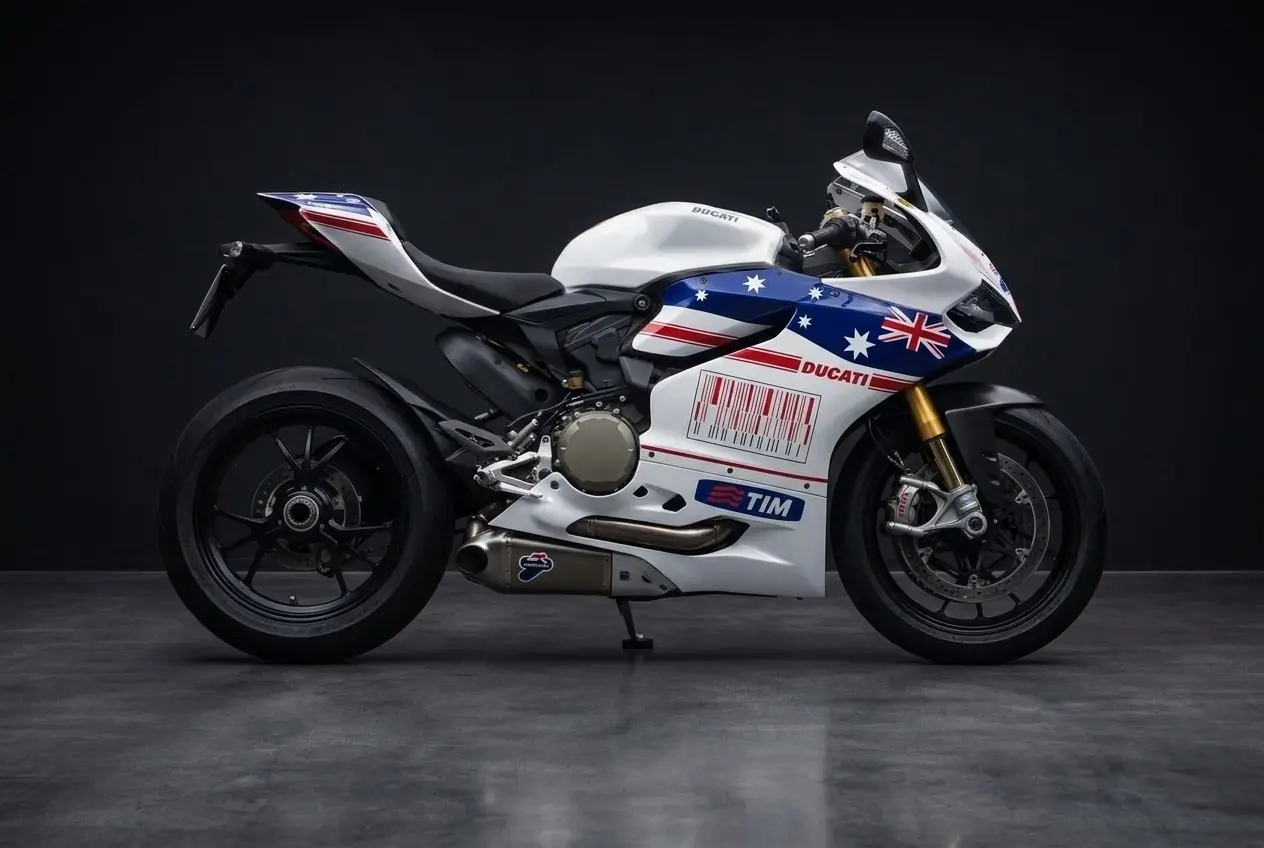
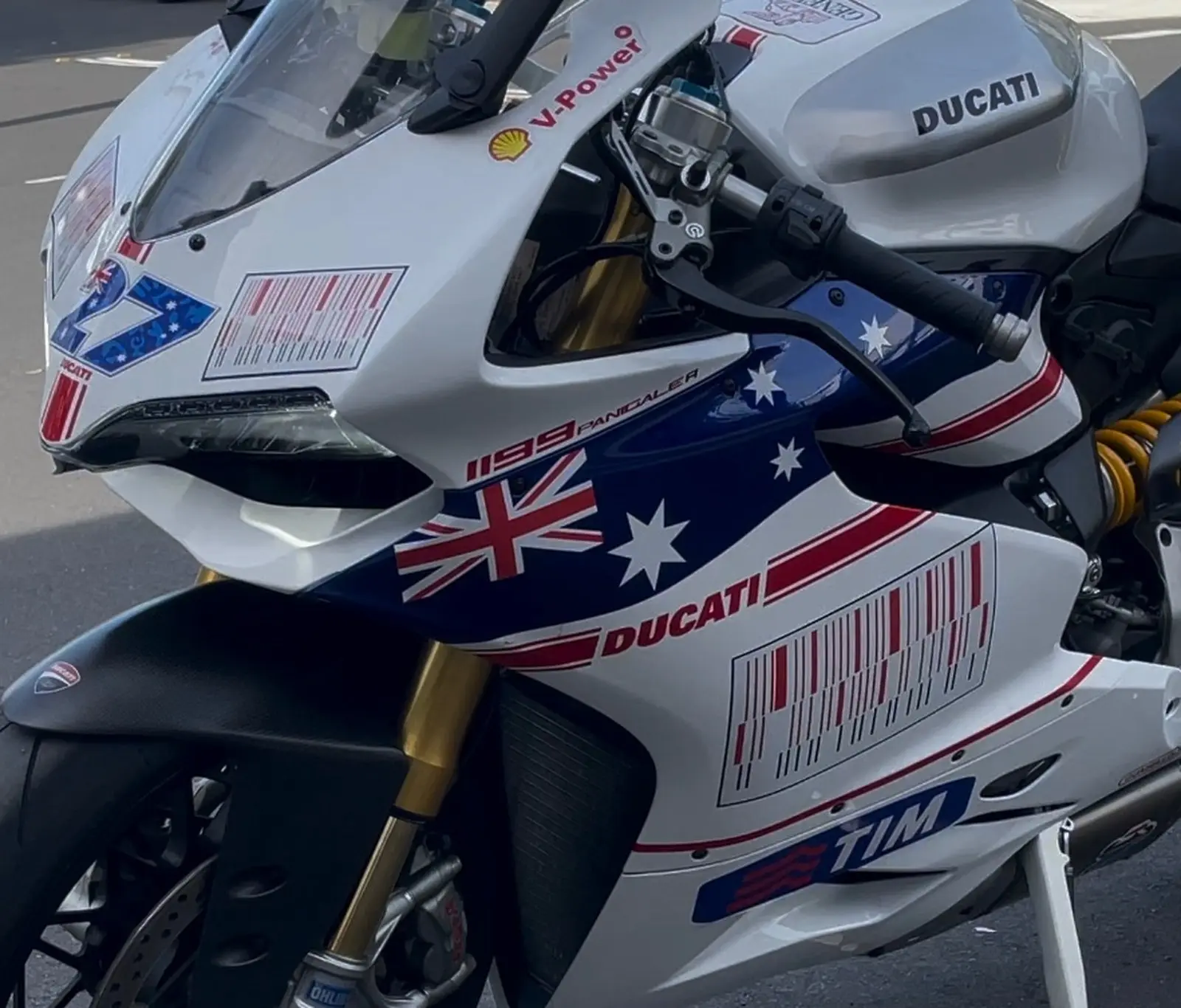
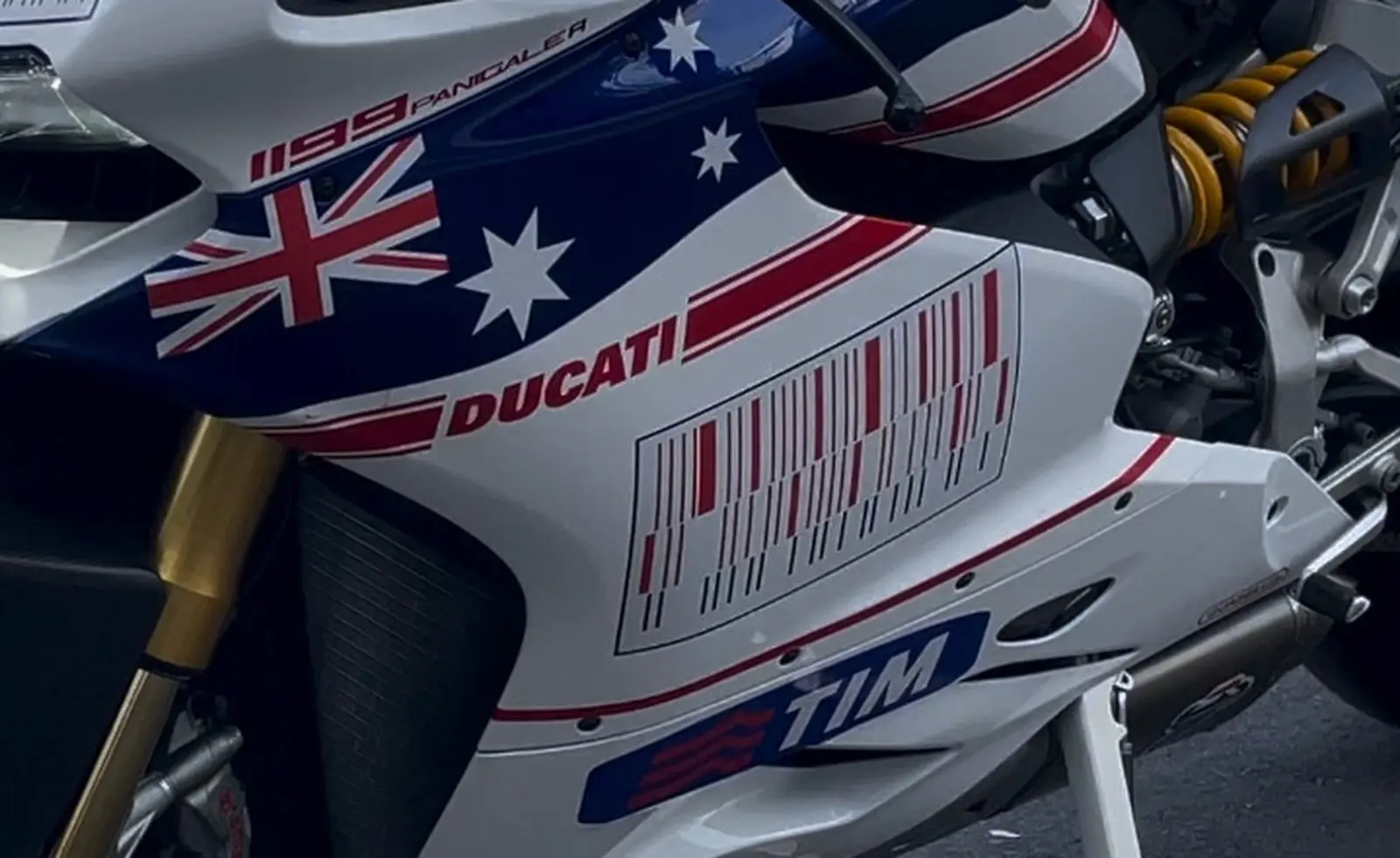
For experienced riders, the Ducati 1199R offers a focused, high-performance feel, and its gold front forks and black forged wheels set it apart on the road. It suits a rider who already has a feel for powerful machines and who will treat the first kilometres as a proper warm-up.
Ready to take your first kilometres with a calm and steady hand? Book the Ducati 1199R, give yourself a gentle warm-up and tell us about your experience when you book. We will help you prepare, and you can browse the full fleet for the other bikes.
Frequently asked questions
What is tyre scrub?
Tyre scrub is the early wearing in of a new tyre, when the surface coating wears away and the rubber bonds with the road. Grip improves as this happens, so the first kilometres can feel less secure. Treat that period as a warm-up, with gentle inputs and extra room around you.
How long does the warm-up last?
There is no fixed distance, because it depends on the tyre, the temperature and how the bike is ridden. Many riders notice the bike settling within the first few kilometres, but the feel continues to improve as the tyres work. Keep your inputs gentle until the bike feels settled and predictable.
Should I avoid hard braking when the tyres are cold?
Yes, at least until the bike has covered some distance and the tyres have warmed. Test the brakes gradually at the start of the ride, and save firm braking for when the bike feels settled. Gentle, progressive braking also helps warm the tyres evenly.
Can cold weather make the tyres feel worse?
Yes. Cold air and a cold road surface reduce grip, and the tyres take longer to warm up. On a cool morning, allow more time for the bike to settle, avoid sharp cornering early on and keep your following distance generous.
Is it normal for the steering to feel different on a new bike?
It can be. Every bike has its own character, and fresh tyres can make the steering feel lighter or less settled at first. Take the first kilometres calmly, note how the bike responds at low speed and build your confidence in stages.
What should I do if the bike feels unsettled in a corner?
Ease off gently, keep the bike upright and avoid sudden inputs. Look through the corner to the exit and let the bike settle before you add power. If the feeling persists, stop somewhere safe and check the bike and the road before you continue.
Ready when you are. Pick your dates and book the Ducati 1199R online, or call us and we will sort it with you.
Book NowCall 0468 011 118