
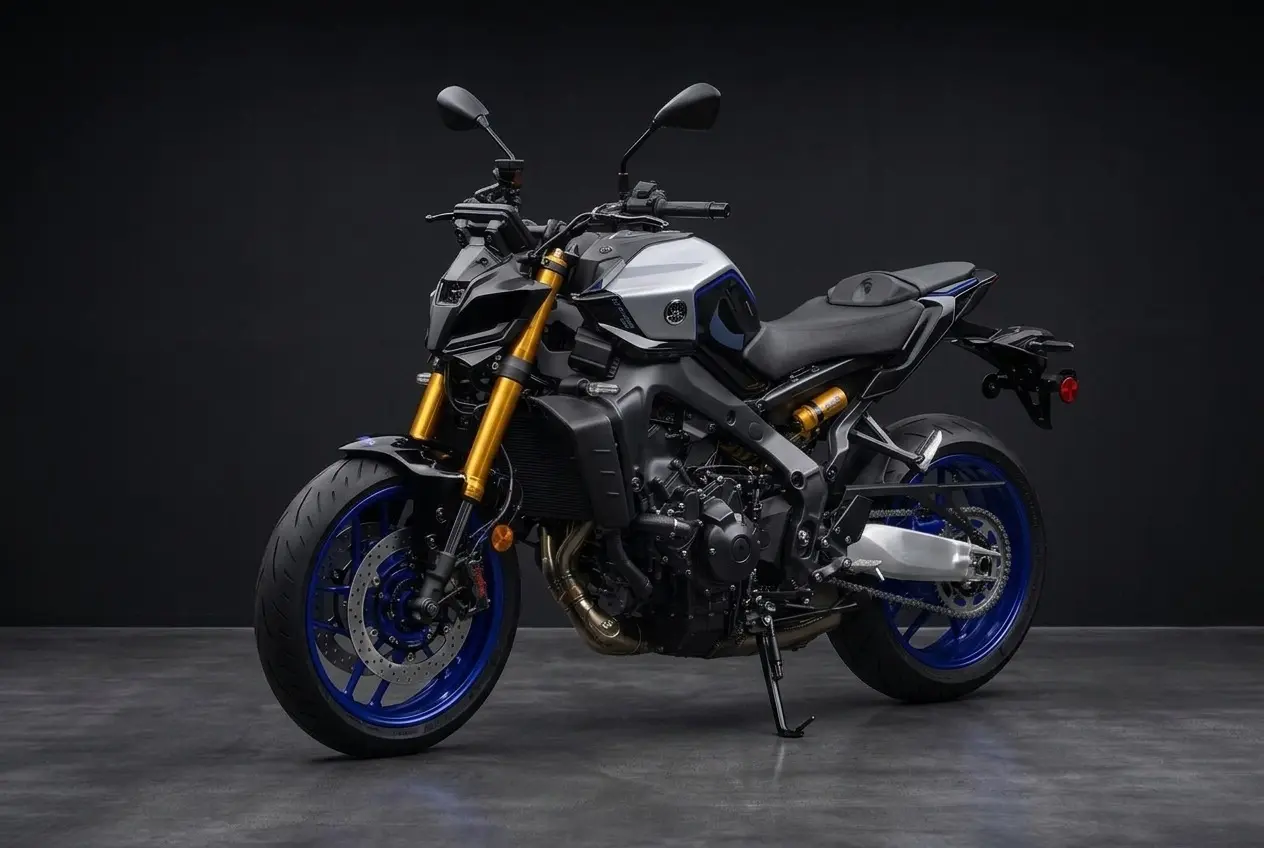
Book the Yamaha MT-09 SP. Pick your dates and book the Yamaha MT-09 SP online, or call us and we will sort it with you.
Book NowCall 0468 011 118Tuross Head is a small village on the Eurobodalla coast where a calm lake, a long surf beach and sealed forest roads sit within a few kilometres of each other. It is a ride that rewards a slow pace, with sea air on one side and eucalypt country on the other. This guide covers the route south, the lake crossings, the forest corners, the timing that keeps the day comfortable, and the Yamaha MT-09 SP we would choose for the trip.
New to riding with us? Our page on motorbike hire in Sydney covers the bikes, the rider rules and how pick-up works.
Where Tuross Head sits on the Eurobodalla coast
Tuross Head is a village in the Eurobodalla Shire, on the far south coast of New South Wales, a short run from Moruya. It sits on a narrow strip of land with the Tasman Sea on one side and Tuross Lake on the other, so the place has two faces: an open surf beach and a sheltered waterway edged with reeds and sand flats. Most visitors come for the water, but the approach by motorcycle is half the reason to go.
Think of the whole day as a loop of coast, lake and forest rather than a single road. The run from Sydney follows the Princes Highway for most of the distance, a sealed, well maintained road that carries heavy trucks and holiday traffic, so the early hours are about patience and steady lane discipline. Once you turn toward the village, the pace drops, the bush closes in and the air smells of salt and eucalyptus.
The village is quiet on weekdays and feels properly removed from the city. Because it is small, you will not find a big town's worth of services, so the fuel, meals and rest stops need to be planned before you leave the main road. Riders who arrive early and head back before the afternoon crowds usually find the best of the place to themselves.
The run south on the Princes Highway
The Princes Highway is the spine of the South Coast, and for most of this ride it is the road you will follow. It is sealed, wide in most places and regularly maintained, but it carries caravans, trucks and weekend traffic, so the first stretch calls for smooth inputs and a generous gap to the vehicle ahead. Expect long straights broken by sweeping bends through farmland and forest, with overtaking lanes appearing at intervals.
The character of the highway changes with the terrain. Inland sections roll through open grazing country, where crosswinds can push across the carriageway and loose grit can gather on the edges after rain. Nearer the coast the road bends around hills and creeks, giving you a rhythm of corners that suits a naked bike with strong brakes and adjustable suspension. Keep your eyes well ahead and your speed inside the posted limit at every point.
Leave early enough that you are not rushing into the afternoon heat. A warm day on the highway can feel long, and fatigue creeps in quickly on a motorbike because you hold your body still in the wind. A stop about every hour keeps your concentration sharp and makes the approach to the coast feel relaxed. Refill before you leave the main road, since fuel stops become further apart as you head south.
Tuross Lake and the causeway crossings
Tuross Lake is a shallow, sheltered waterway that catches the morning light beautifully. From the roadside the water opens out between low banks, with small boats moored along the shore and the outline of the coastal ridges behind. The roads around the lake are sealed and mostly flat, which makes for easy, unhurried riding. Take the bends near the water gently, because moisture can linger on the bitumen in the early morning.
The crossings over the water are short but deserve respect. Bridge decks and causeways can turn slippery when damp, and painted lines and metal joins lose grip quickly, so brake gently before the structure rather than on it. Keep your lean angle modest through the approaches and watch for anglers, paddlers and pedestrians who may step onto the verge. In summer the lake draws families, so traffic can slow and become unpredictable near the car parks.
The lake is also a good place to pause. Find a firm, level spot well clear of the carriageway, park the bike, and take a few minutes to watch the water. Never stop where you block a driveway or a turnout that visitors use to reverse. A short break here sets up the rest of the afternoon well, and it gives you time to check your gloves, your jacket and how the bike feels after the highway.
The beach village and the headland
The village itself is compact. A few streets run back from the beach, with cafes, a general store and holiday houses set among coastal banksia and low scrub. Park on a level street near the centre and walk the rest. Summer weekends fill the car parks quickly, so arriving before the lunch rush gives you a choice of tables and a short walk to the sand.
The surf beach runs for a long stretch and is backed by low dunes. On a calm day it is excellent for a stroll, and the headland offers a good vantage point over the breaking waves. Watch for rips near the river mouth, and follow the patrolled flags when surf lifesavers are on duty. Many riders say the headland is the highlight of the trip, because the wind and the ocean combine in a way a car window never quite captures.
Coastal weather can change within an hour. A cool sea breeze may arrive in the afternoon even after a warm morning, so pack a windproof layer and keep it where you can reach it. Autumn and winter mornings can bring fog that rolls in off the water and cuts visibility on the headland road, so be ready to ease off if the view disappears. Visibility is the first thing to check before you ride back out of the village.
Coastal forest roads and the corners
Beyond the village, the sealed roads wind through forest country where the trees close overhead and the light shifts constantly. The corners are a mix of open sweepers and tighter, blind bends, so read each one before you commit. Ride within your own limit, keep your eyes through the apex and let the bike drive out of the corner rather than forcing it. Surfaces are generally good on the main roads, but edges can carry leaf litter and gravel spill after rain.
Some side roads in the area lead onto unsealed tracks, and our road bikes are not suited to those surfaces. Stick to sealed roads, and turn back if the bitumen gives way to loose stone. A corner taken on gravel can throw a bike wide with little warning, even on a machine with good brakes and suspension, and a slide on that kind of surface is serious. Better to choose a longer sealed loop than to test a short dirt shortcut.
Forest sections are where wildlife appears without warning. Kangaroos, wallabies and the occasional echidna cross roads at dusk and dawn, so scan the verge as well as the road ahead. Reduce your speed in shaded stretches where dew or moisture lingers, and treat painted lines and tree shadows as slippery until you know the surface. A rider who looks ahead early has the time and space to react calmly.
Best time of day and season for the ride
The best window for this ride is early in the day. Leave Parramatta at a time that keeps you on the highway before the midday traffic builds, and you will reach the lake while the air is cool and the roads are quiet. Mornings in autumn and spring are ideal, with mild temperatures, clear skies and softer light for photographs. Summer brings heat and holiday crowds, and winter brings cold starts and frost on shaded sections.
Weekends in the school holidays are the busiest time on the coast. Caravans, boat trailers and day-trippers fill the lanes near the lake, and the village car parks can be full by late morning. Weekday rides are generally calmer, with fewer trucks on the stretches near town and more room on the forest roads. If your diary allows a midweek date, you will notice the difference on every corner.
Road character changes through the day as well. Morning fog can linger in low ground, afternoon sea breezes build on the headland, and late light can make the forest roads look darker than they are. Plan your return so the last hour is in daylight, and allow extra time for any stop you did not expect. Your pace should match the conditions you find, not the timetable you planned.
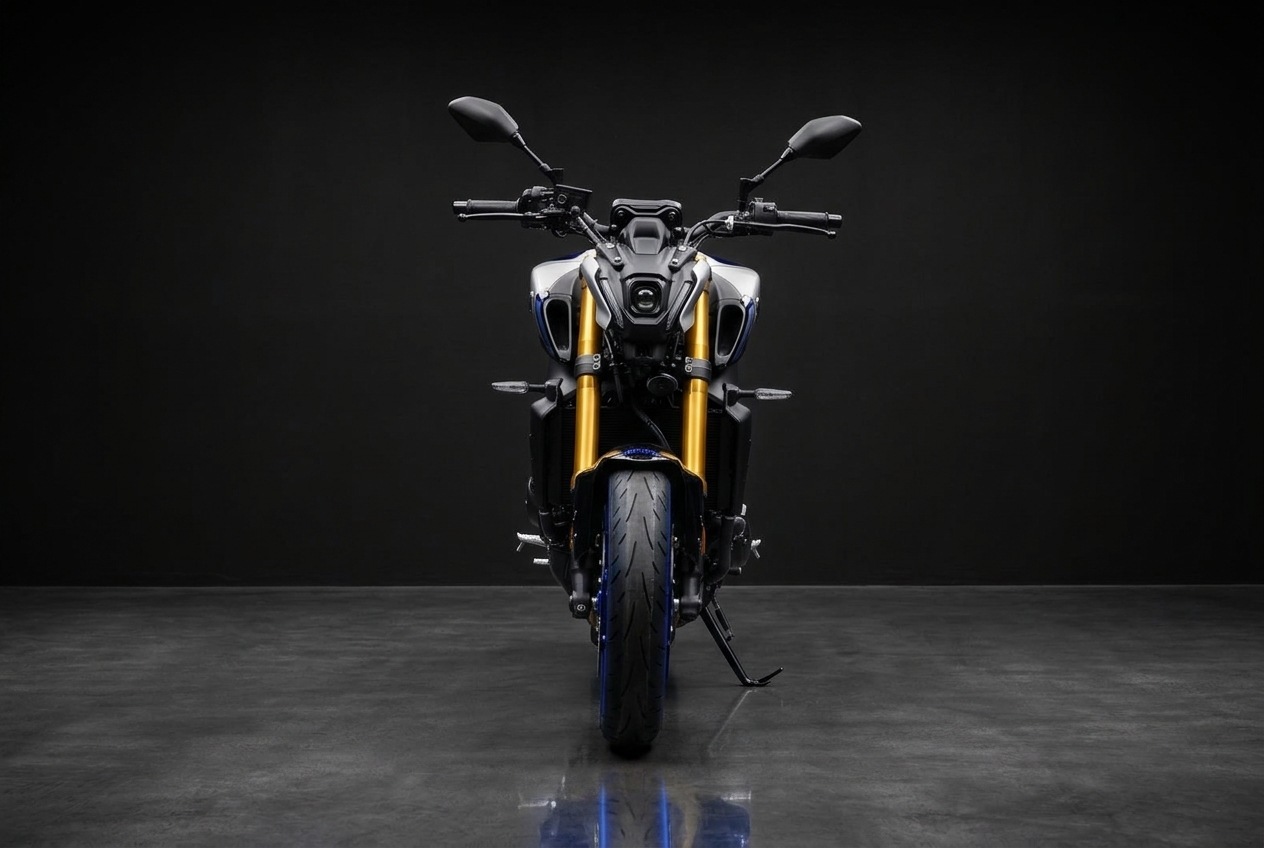
Want the Yamaha MT-09 SP for your date? Pick your dates and book the Yamaha MT-09 SP online, or call us and we will sort it with you.
Book NowCall 0468 011 118Fuel, food and rest stops
A realistic plan has three stops in each direction: a fuel stop before the highway turn-off, a rest stop around the midpoint and a meal in the village or nearby. Writing the stops down before you leave helps you avoid the common trap of running low in an unfamiliar area. Keep a reserve in the tank so you never depend on finding fuel at a particular time of day.
Rest stops matter more than most riders expect. After a few hours in the wind, your grip on the bars and your focus both drop. Step off the bike, drink water, stretch the shoulders and back, and check your gloves and jacket. A tired rider makes small errors that add up quickly on a long coastal run, so schedule rest before you feel you need it.
Food on this route should be simple. Bring something light for the heat, such as fruit or a sandwich, and keep the larger meal for the village. Eat slowly and avoid a heavy lunch before the return leg, because drowsiness and a full stomach make the afternoon harder. Keep the bike's storage packed neatly so nothing shifts while you ride.
Riding the Yamaha MT-09 SP on this route
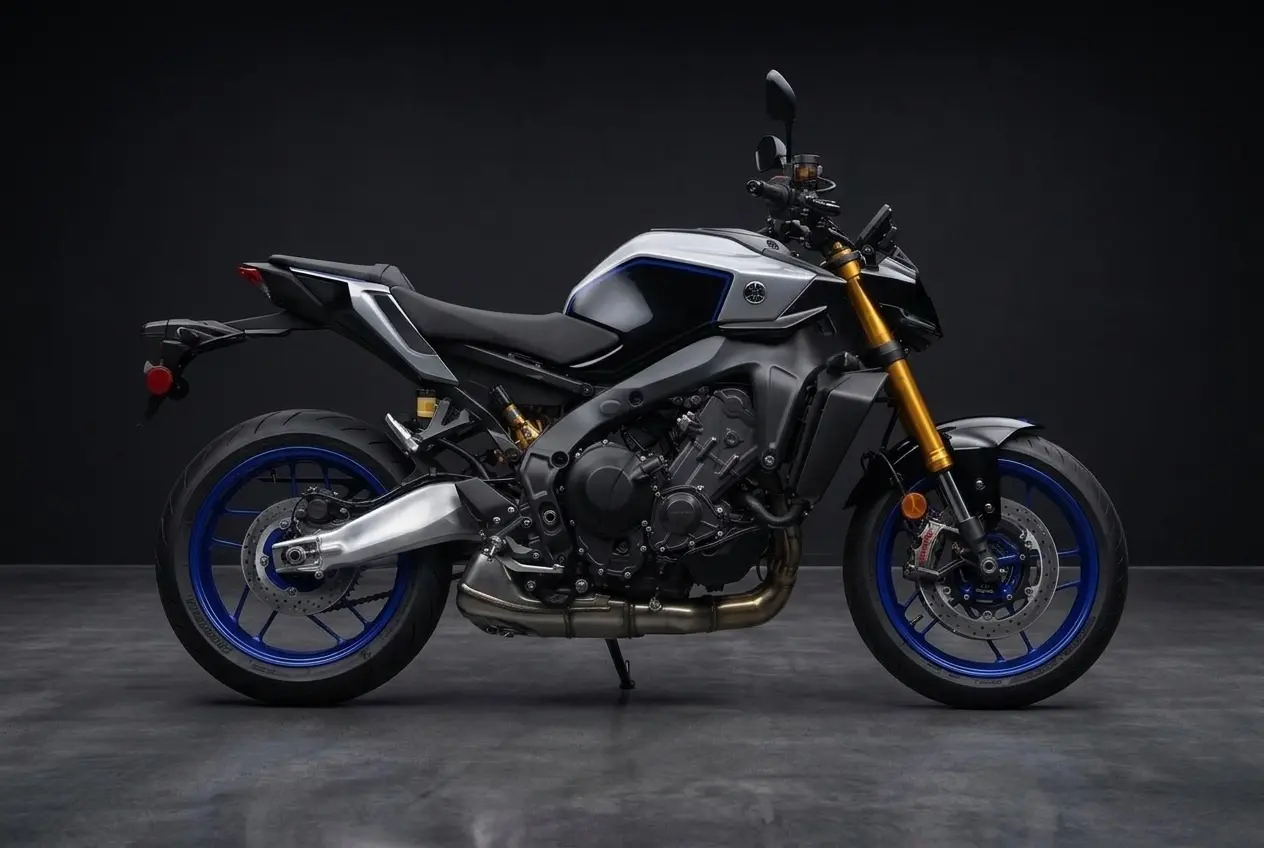
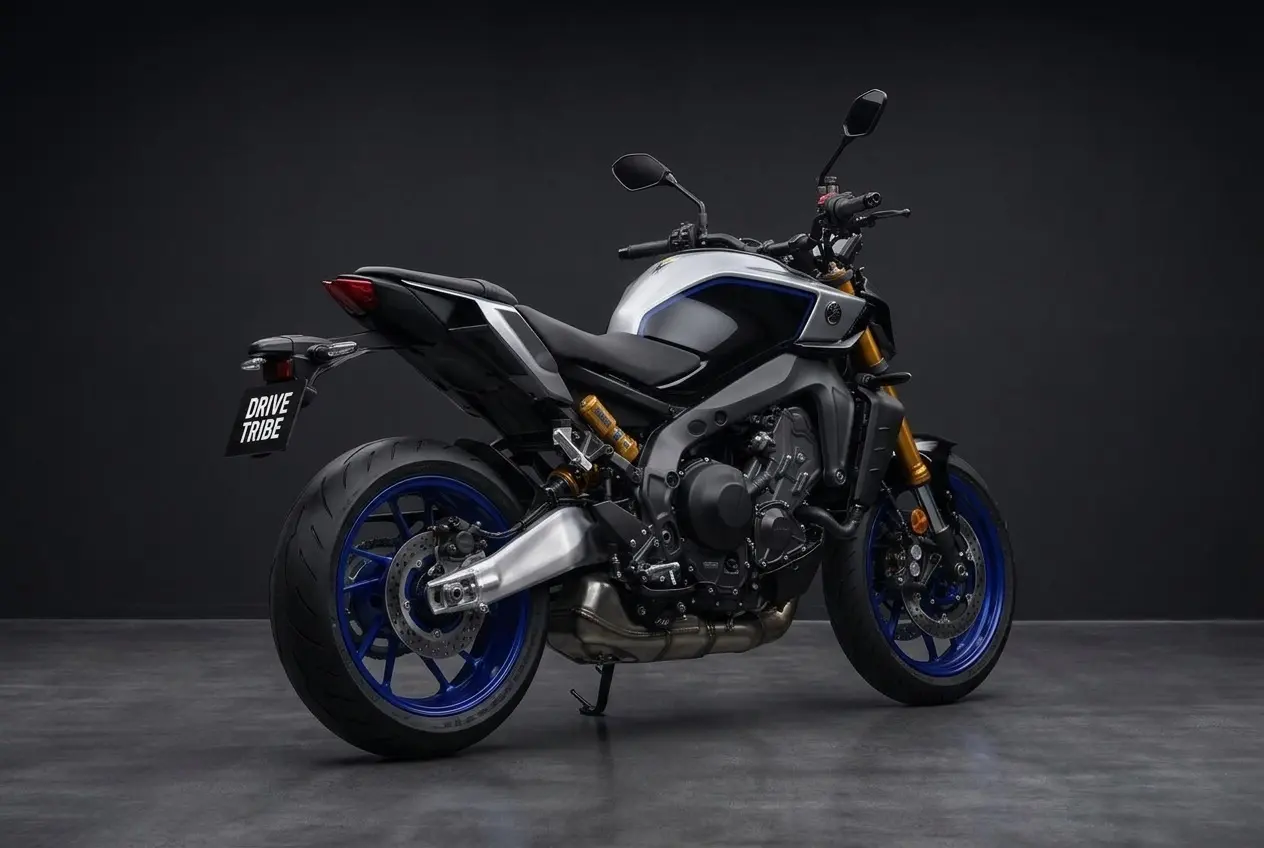
For this ride we would point most riders to the Yamaha MT-09 SP. It is an inline three performance naked bike, and its character suits the mix of highway, bends and short sealed side roads that make up the trip. The engine gives a smooth, usable pull through the midrange, which is exactly what you want when you are picking your way past trucks and into the corners.
The premium adjustable suspension lets you tune the bike for the load and the surface, which matters on the uneven edges of forest roads and on the joints of older bridges. Gold front forks suit the coastal light, and the strong brakes give confident stopping power when traffic compresses or an animal appears at the verge. The riding position is upright enough to keep the shoulders relaxed on long stretches.
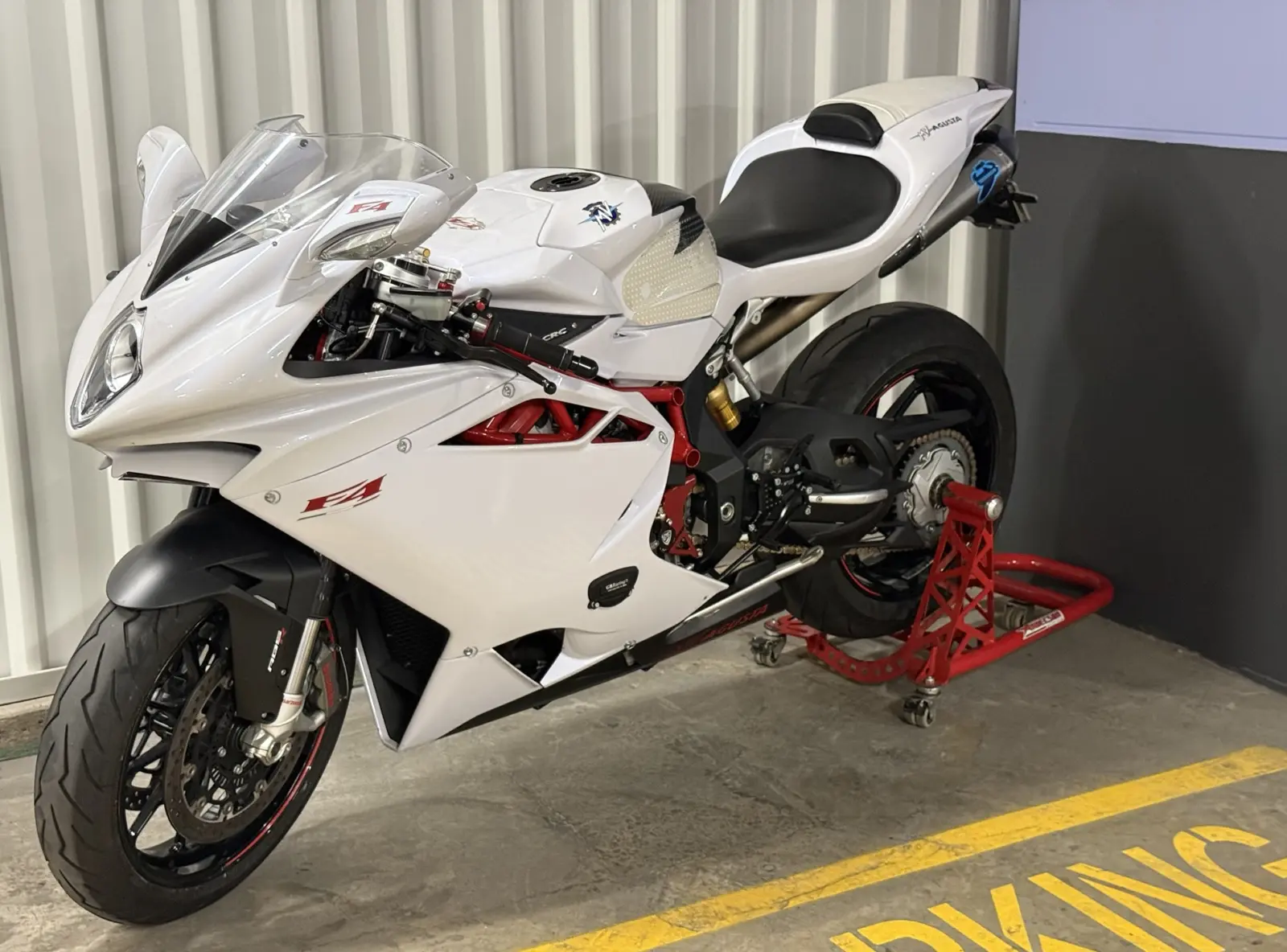
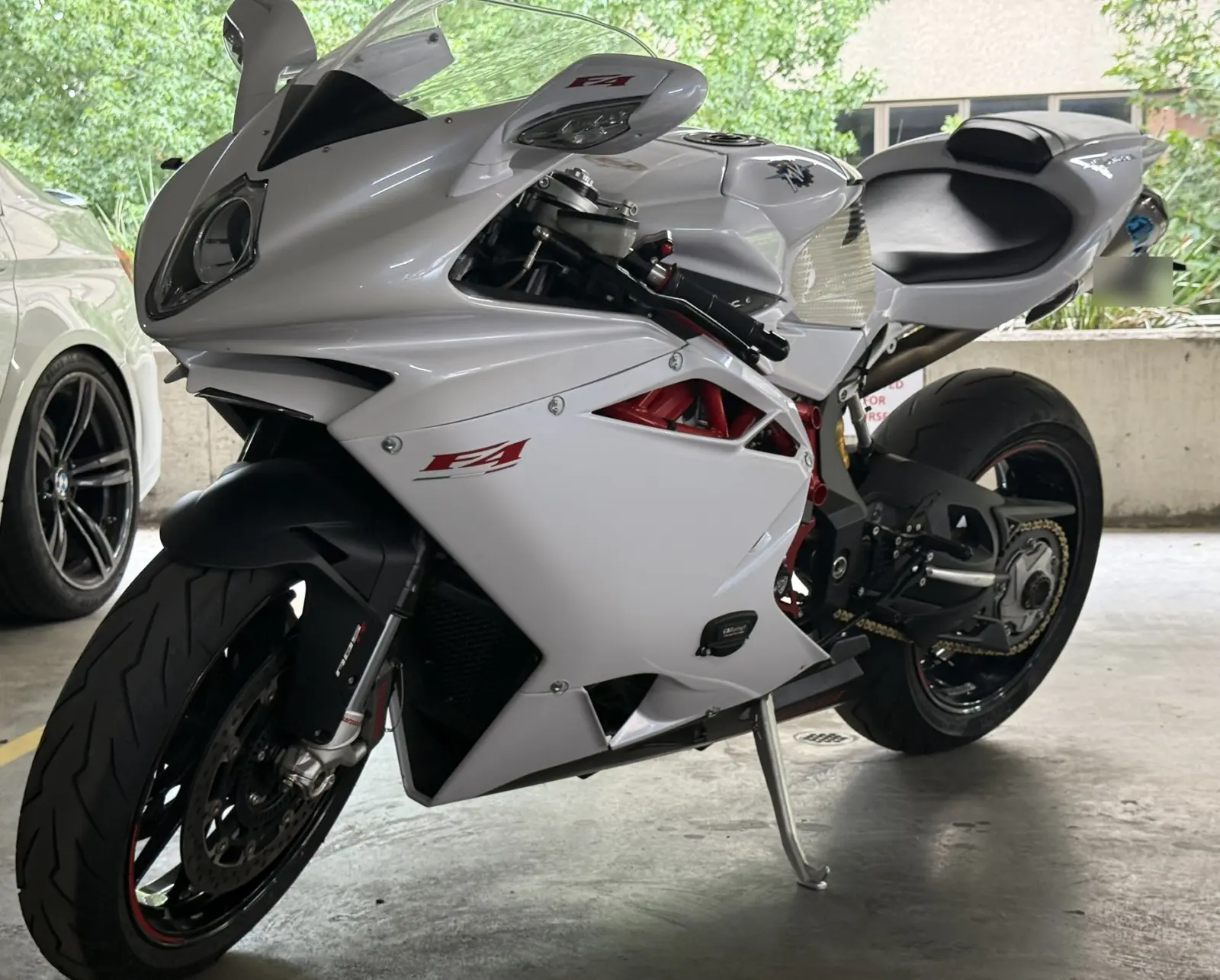
The Yamaha is the only bike in our range that takes a passenger, which makes it the natural choice if you are riding with a partner who wants to share the view. Our Ducati 1199R and MV Agusta F4 are sharper, more focused machines for experienced riders who want an intense feel on a good road, but for this coastal loop the MT-09 SP is the one we would book.
The hire rules that shape this trip
Three rules shape this trip, and they are the ones to read before you pick a date. Hire is three days minimum, and every hire starts from our Parramatta base, so the coast ride begins with your first hour on the highway. You need a full motorcycle licence held for at least three years and must be 25 or over on every bike, and learner and provisional riders cannot hire. If you stay overnight in the village, the bike must be kept in a locked garage or secure off-street parking between 9pm and 6am.
Safety on the coast road
Practical safety starts with the right gear. Wear a properly fitted helmet, a riding jacket with armour, gloves and boots that cover the ankle, and bring a windproof layer, because the coast can be cold even on a sunny morning. Ride within your ability and inside the posted limit on every road. Riding 30 km/h or more over the posted limit ends a hire, and the bond is forfeited, so keep your pace relaxed from the first kilometre.
Fatigue, wildlife and surface hazards are the main risks on this route. Dawn and dusk bring animals onto the verge, so slow down, scan the edges and never ride at speed into shaded forest. Gravel on corners can take a bike wide, and damp leaves or morning dew make painted lines treacherous. Give yourself more room to brake on bridges and wet roads, and assume the surface is slippery until you have proof otherwise.
Never ride after drinking alcohol, and do not ride when you are tired. If you feel drowsy, stop somewhere safe and rest. Cold mornings dull reactions, so a light breakfast and plenty of water help keep you alert. Carry a small first aid kit, and make sure someone knows your route and expected return time, especially if you are heading to quieter stretches of the coast where phone reception can be patchy.
Check road conditions with Transport for NSW before you leave, because closures, roadworks and weather can change at short notice. If this ride is on your list, pick a weekday, plan your fuel and rest stops, and book the Yamaha MT-09 SP for the day so the lake, the beach and the forest roads are the only things on your mind.
Frequently asked questions
How long does the ride to Tuross Head take from Parramatta?
It is a long day's ride rather than a quick run, so most riders treat it as a full day or plan an overnight stop. Most of the distance follows the Princes Highway, which is sealed and well maintained but busy with trucks and holiday traffic. Leave early, plan a midway break and allow time for the forest roads near the village, where you will want to slow down and enjoy the corners.
Is Tuross Head a good place to ride to for the scenery?
Yes. The route combines a calm lake, a long surf beach, a headland with wide ocean views and sealed forest roads that wind through eucalypt country. The variety means the ride never feels repetitive, and the view changes with the light through the morning and afternoon. Many riders find the lake in the soft morning light and the headland at midday to be the two strongest moments of the day.
Are there wild animals to watch for on the coast roads?
Yes, especially at dusk and dawn. Kangaroos, wallabies and the occasional echidna cross roads through the forest sections and along the verge. Scan the edges as well as the road ahead, slow down in shaded stretches and give yourself time to react. A calm, well spaced approach gives you far more options than a sudden swerve, and it is the simplest habit for avoiding a collision.
Which of your bikes suits the lake and forest roads best?
For this route we would recommend the Yamaha MT-09 SP. Its inline three gives a usable, smooth pull through the midrange, and the premium adjustable suspension helps on uneven forest edges and older bridge joints. The strong brakes and upright riding position suit long coastal days. It is also the bike to choose if you are riding with a passenger, as it is our only bike set up for one.
Are there fuel and food stops along the way?
Yes, but services are thinner than in the city, so plan before you turn off the main highway. Fill up at a larger town on the way, keep a fuel reserve and pack a light snack for the ride. Lunch is best taken in the village or at a cafe near the lake, where you can sit and watch the water. Do not assume a service station will be open late in the afternoon.
What should I wear for a coastal ride in cooler months?
Dress in layers you can adjust at each stop. A windproof outer layer matters most on the headland and over the lake, where a sea breeze can chill you quickly. Choose gloves that keep your hands warm without restricting control, and wear boots that cover the ankle. Autumn and winter mornings can be cold and damp, so a thermal base layer makes the first hours of the ride far more comfortable.
Ready when you are. Pick your dates and book the Yamaha MT-09 SP online, or call us and we will sort it with you.
Book NowCall 0468 011 118