

Book the MV Agusta F4. Pick your dates and book the MV Agusta F4 online, or call us and we will sort it with you.
Book NowCall 0468 011 118The clutch lever is the one control you touch every time you start, stop and ride through traffic, so its feel and position matter more than most riders realise. On the MV Agusta F4 the clutch engages with a clear, progressive feel once you learn where the friction point sits in your hand. A well-set lever reduces fatigue and makes low-speed work calmer. Here is how we approach the lever, from the first check in the car park to the last stop of a long day.
New to riding with us? Our page on motorbike hire in Sydney covers the bikes, the rider rules and how pick-up works.
Why the lever matters from the first minute
Think about how often your left hand works the clutch during a ride. Every junction, every roundabout and every slow manoeuvre in traffic depends on it. A lever that sits too far away forces your fingers to stretch, and one that sits too close can cramp your grip. Both problems build up over an hour, and by the end of a long day they affect your control.
On a hire bike you may not have ridden this exact setup before, so a few minutes of adjustment and testing pays off quickly. The goal is a lever position where your fingers rest naturally, your wrist stays relaxed and you can pull the lever fully without changing your grip.
Take the time to do this before you leave the depot, not while you are waiting at a set of traffic lights. A calm setup means your attention stays on the road from the first kilometre.
Checking the reach before you ride
Many sport and naked bikes allow the clutch lever reach to be adjusted, usually by a small dial or adjuster on the lever body. If the bike you hire has this feature, sit on the bike in a normal riding position, rest your hand on the lever and check how far your fingertips sit from the grip. Your first finger should fall comfortably over the lever without stretching.
Make adjustments in small steps. Turn the dial one notch at a time and test the reach again, rather than making large changes that you then need to undo. If you are unsure how the adjuster works, or if the dial does not move freely, ask our team before you ride rather than forcing it.
Once the reach suits your hand, check that the lever does not touch the handlebar or the switchgear when you pull it fully. A lever that binds or rubs needs attention before you go further.

Finding the friction point
The friction point is where the clutch begins to take up the drive, and learning it is the key to smooth pull-aways. Release the lever slowly while the bike is stationary with the engine idling and feel for the moment the bike wants to move. That point is where you hold the lever when you are starting from rest and waiting in traffic.
A progressive clutch gives you a wide range of control around that point. A quick, sudden release can cause the bike to jerk, while a slow, steady release lets the power build gently. Practise this in a quiet space until you can pull away without thinking about it.
If the bike stalls or lurches, stop and reset. Bring the lever back to the bar, check the gear is neutral and start again slowly. Repeating the movement calmly builds the feel far faster than rushing through it.
Pulling away in traffic
Traffic work tests the clutch hardest. Stop-start running means repeated changes between holding the friction point and releasing the lever fully. Use the throttle lightly as you release, and let the bike pull away smoothly without a sudden surge of power.
Keep one or two fingers on the lever when you are waiting at lights, rather than gripping it hard. A light touch keeps your hand relaxed and makes the friction point easier to find when the lights change. Hold the bike steady with the front brake and avoid creeping forward on the clutch alone.
On roundabouts and slow corners, use the same gentle approach. Release the lever in a controlled way, balance the bike with your body and keep your eyes up on the path you intend to take.
- Keep a light grip on the lever at traffic lights
- Hold the friction point with the front brake, not the throttle
- Release slowly and let the throttle come in gently
Hand comfort on longer rides
On a long ride your hand can tire, particularly on a bike with a firm lever feel. Relax your fingers at every stop, shake out your hand and check that your grip is not clenched. Small habits like these reduce fatigue and keep your control consistent for longer.
Position your hands on the bars so your wrists remain neutral and your elbows are soft. Tension in the shoulders and wrists transfers to the clutch hand, and a tired hand makes a less precise clutch. Adjust your seating position at breaks so the bike fits you as the day goes on.
If your hand begins to ache or cramp, stop and rest it. Continuing through pain leads to poor control at the moment you most need it, such as a sudden stop or a junction with traffic approaching.
Cold mornings, gloves and the lever
Cold mornings change the way the lever feels. Fingers stiffen, and a numb hand cannot judge the friction point accurately. Warm your hands before you ride, and use gloves that are thin enough to let you feel the lever but thick enough to keep your hands warm.
Gloves also affect the grip. A bulky glove can make the lever feel further away, which may encourage you to stretch your fingers in an uncomfortable way. Test your gloves with the bike stationary, and if the lever feels awkward, consider a thinner pair or adjust the reach to suit.
Frost and damp can make the bars and lever cold and slippery. Take extra care with your first movements of the morning, and keep your inputs gentle until the bike and your hands have warmed up.
Want the MV Agusta F4 for your date? Pick your dates and book the MV Agusta F4 online, or call us and we will sort it with you.
Book NowCall 0468 011 118Seating position and how it changes the lever
The lever feel depends on where you sit. If you lean too far forward, your wrist bends and the clutch hand has to reach. If you sit too upright, your weight shifts back and the front end feels light, which can make slow turns harder to judge. Find a position where your arms are relaxed, your knees grip the tank comfortably and your weight sits evenly over the bike.
Once you have a comfortable seating position, check the lever again. The reach that felt right while standing beside the bike may change once you are seated and your wrist is in its natural position. Make the final adjustment with your body in the riding posture, not with the bike held upright on the stand.
Recheck your position after every stop on a long ride. Riders often slide forward on the seat during a day of riding, and a small shift can change the way the lever sits under your fingers.
Sydney traffic, open roads and best time of day
Early morning is the best time to refine your clutch technique. The roads are quiet, the traffic is light and you can practise pull-aways without the pressure of a busy junction. Choose a route with few lights and roundabouts for your first few rides, then build up to the busier streets as your confidence grows.
Sydney traffic is demanding. Lane filtering, peak-hour crawls and sudden stops all ask for careful clutch work. On the open roads beyond the city, the clutch matters less in everyday riding, but it still plays a role in junctions, slow corners and any stop on a grade.
Plan your fuel and food stops around your practice. Fill up before you set out, take a break after each block of riding and check the road conditions with Transport for NSW before you head out on a longer route.
Fatigue, focus and safety
Fatigue affects the precision of your clutch work. A tired rider tends to release the lever too quickly or hold the friction point too long, which makes pull-aways rough and stop-start running tiring. Take regular breaks, and stop as soon as your concentration starts to slip.
Gear is essential for every ride. Wear a fully certified helmet, a jacket with armour, gloves that let you feel the lever and boots that cover the ankle. Bright colours help other road users see you, particularly in heavy traffic or at dusk.
Ride within your ability and never with alcohol in your system. If you feel your hand is not working as it should, pull over somewhere safe, reset and carry on only when you feel ready.
Practice routine, and the MV Agusta F4 for hire
A short practice routine helps the lever feel natural. Spend ten minutes in a quiet car park pulling away, stopping and rolling through a few slow turns. Repeat the same moves until the friction point feels familiar, and then stop before you feel tired.
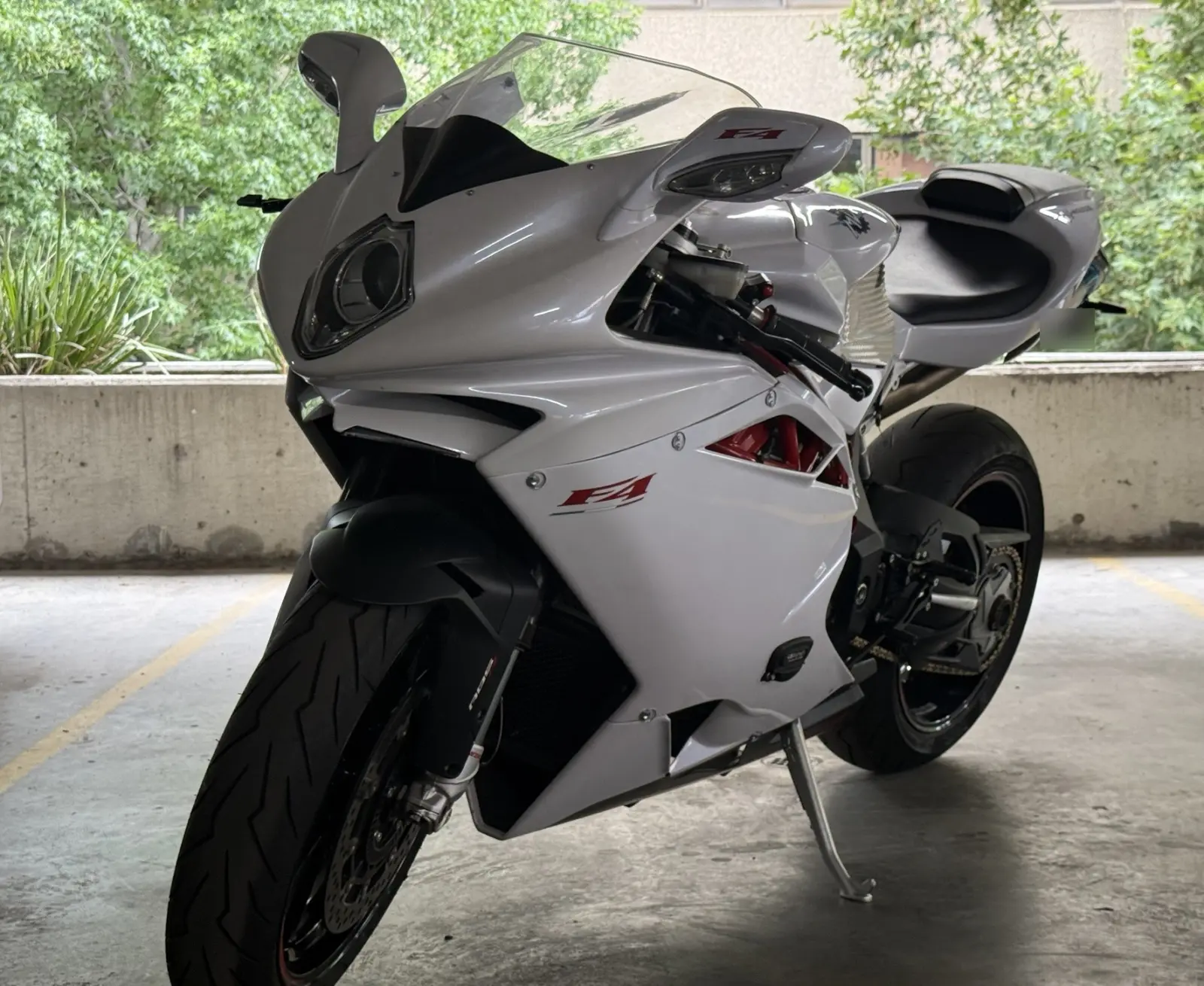
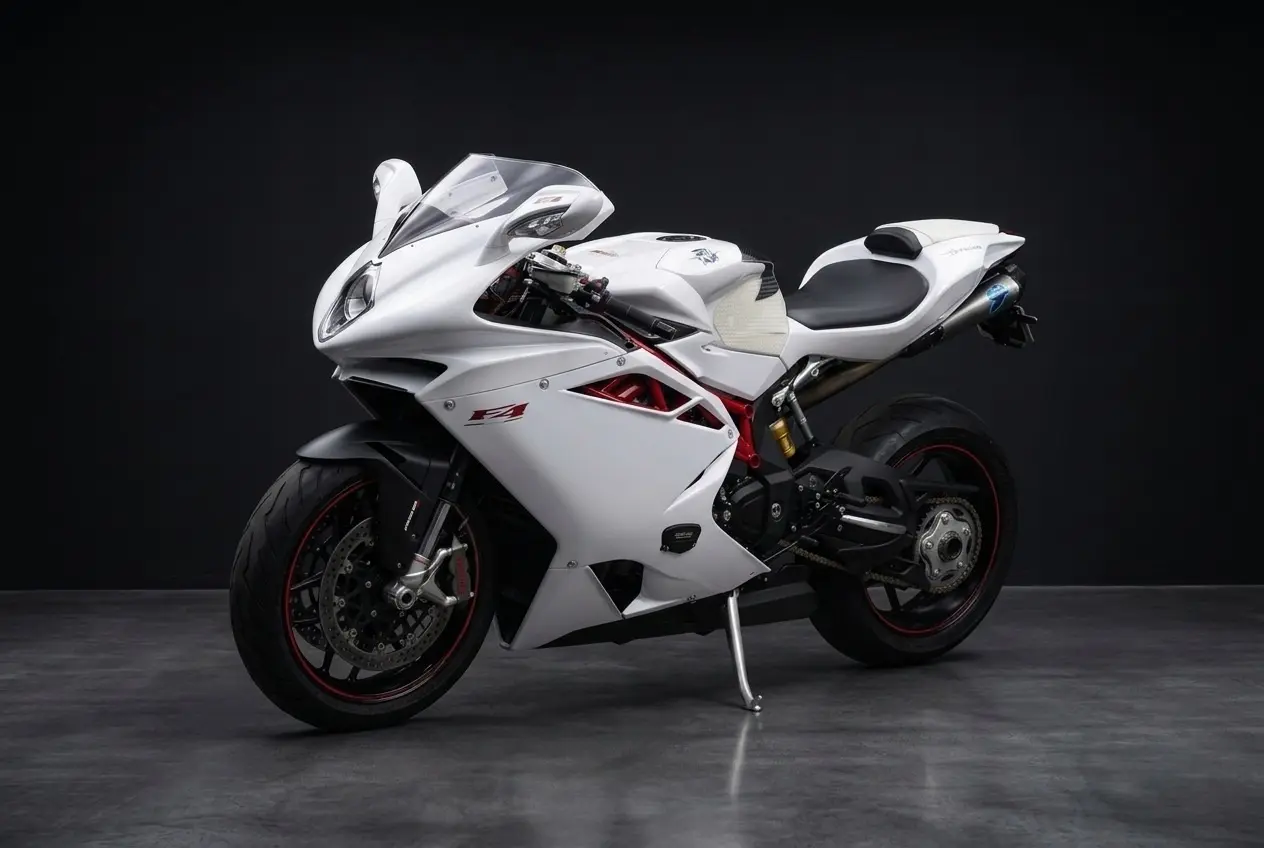
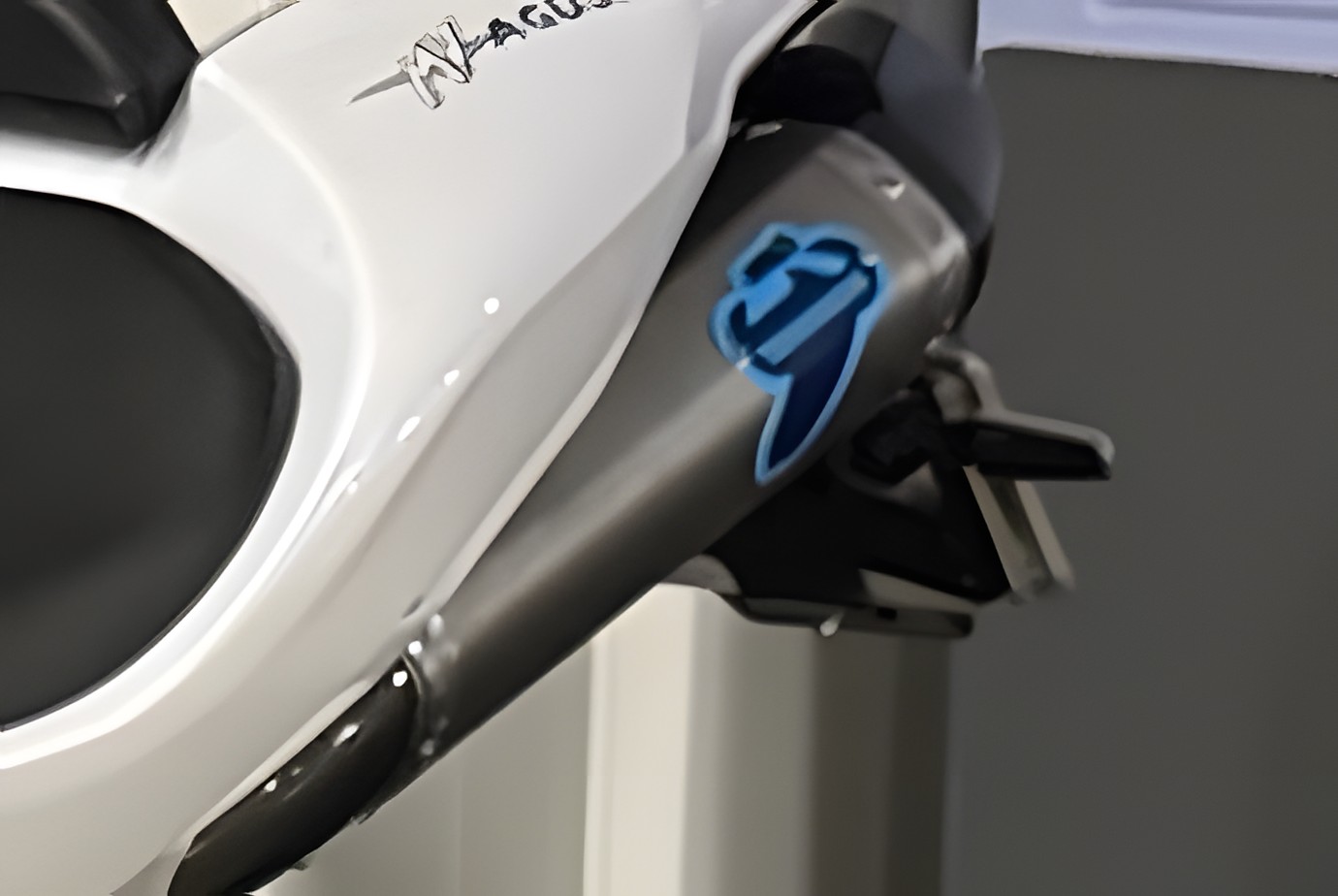
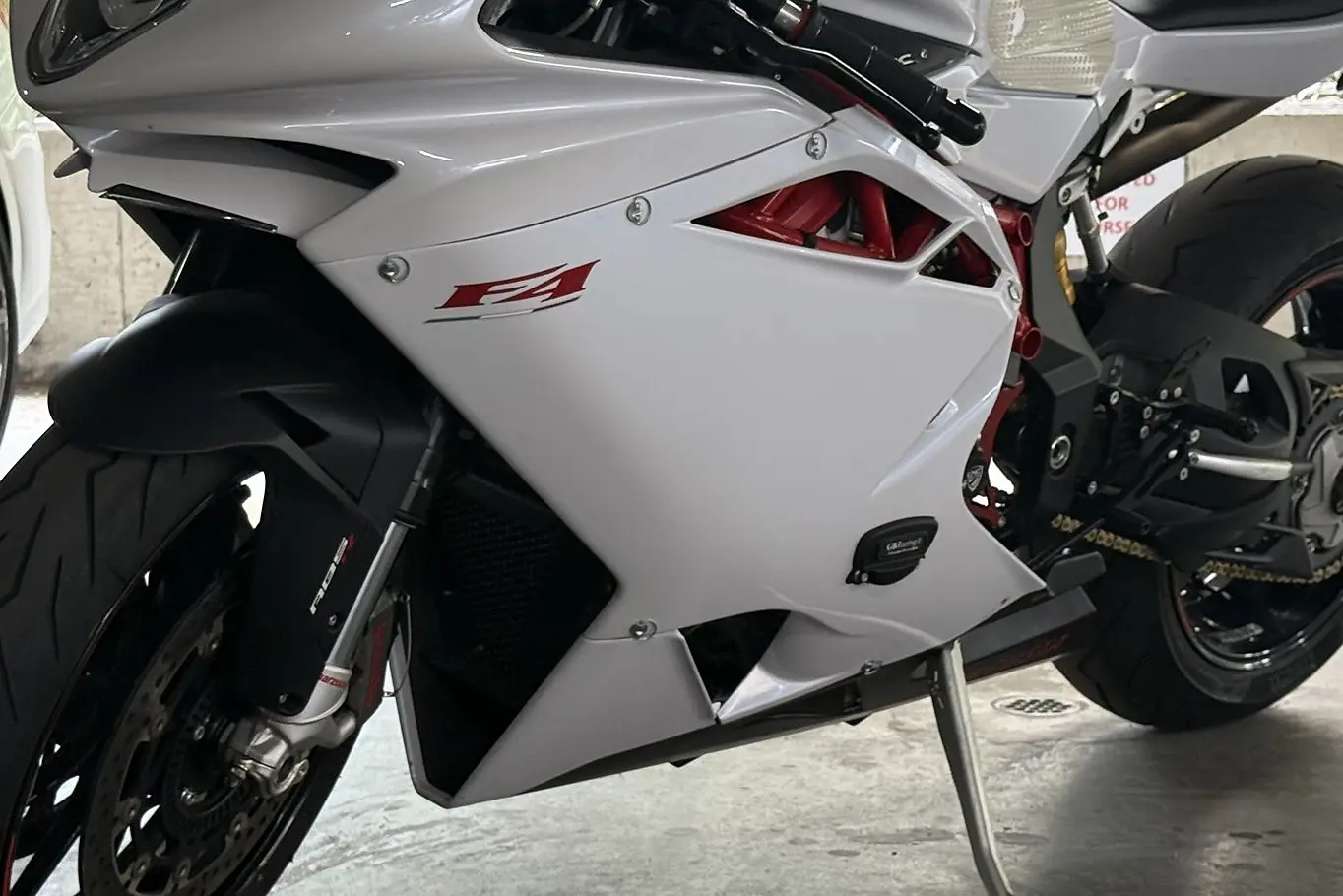
The MV Agusta F4 carries a 998cc inline four with a tuned performance exhaust, and its pearl white finish with a red trellis frame makes it a striking machine. It is a single-seater, so it suits a solo rider who wants full control. Bikes are self-drive from our Parramatta base, with a three day minimum hire, and riders need a full motorcycle licence held for at least three years and must be 25 or over. A security bond is held according to the class of bike.
When you are ready to ride, use the Book Now option on this page to reserve the MV Agusta F4 for your dates. Our team can walk you through the lever setup before you leave the depot, so the first kilometres feel comfortable from the start.
Frequently asked questions
Can I adjust the clutch lever on the MV Agusta F4?
Many bikes of this type have a lever reach adjuster, usually a small dial on the lever body. If the bike you hire has one, adjust it in small steps while sitting in a normal riding position. Test the reach each time, and check that the lever does not touch the bar when pulled fully. If the adjuster does not move freely, ask our team for help rather than forcing it.
What is the friction point and how do I find it?
The friction point is where the clutch begins to take up the drive. With the engine idling and the bike stationary, release the lever slowly until you feel the bike want to move. That is the point you hold when waiting in traffic. Practise in a quiet car park until you can find it without thinking, and keep the lever movement steady.
Is the clutch hard to use in traffic?
It can be tiring, because stop-start running means repeated changes between holding the friction point and releasing the lever. Keep a light grip, hold the bike with the front brake and release smoothly when you move. A newer rider should practise in quiet areas before tackling busy streets, and should take breaks to rest the hand.
What should I do if my hand cramps on a long ride?
Stop somewhere safe and shake out your hand. Relax your fingers, loosen your grip and stretch your wrist gently. Check your seating position and your bar height, since tension in the shoulders can transfer to the hand. Continue only when your hand feels relaxed and under control. Ride with breaks planned in advance to prevent cramps.
Can I take a passenger on the MV Agusta F4?
No, the MV Agusta F4 is a single-seater and cannot carry a passenger. If you want to share a ride, the Yamaha MT-09 SP is the bike to choose, since it is the only one in our fleet that takes a passenger, one aged 16 or over. Please talk to our team about options when you book so your plans are clear.
What gloves are best for working the clutch in cold weather?
Choose gloves that are warm enough for the morning but thin enough to feel the lever clearly. Test them while the bike is stationary to check reach and feel. Avoid bulky gloves that push your fingers away from the lever. Warm your hands before you ride and keep your grip relaxed, since a tense hand makes the friction point harder to judge.
Ready when you are. Pick your dates and book the MV Agusta F4 online, or call us and we will sort it with you.
Book NowCall 0468 011 118