
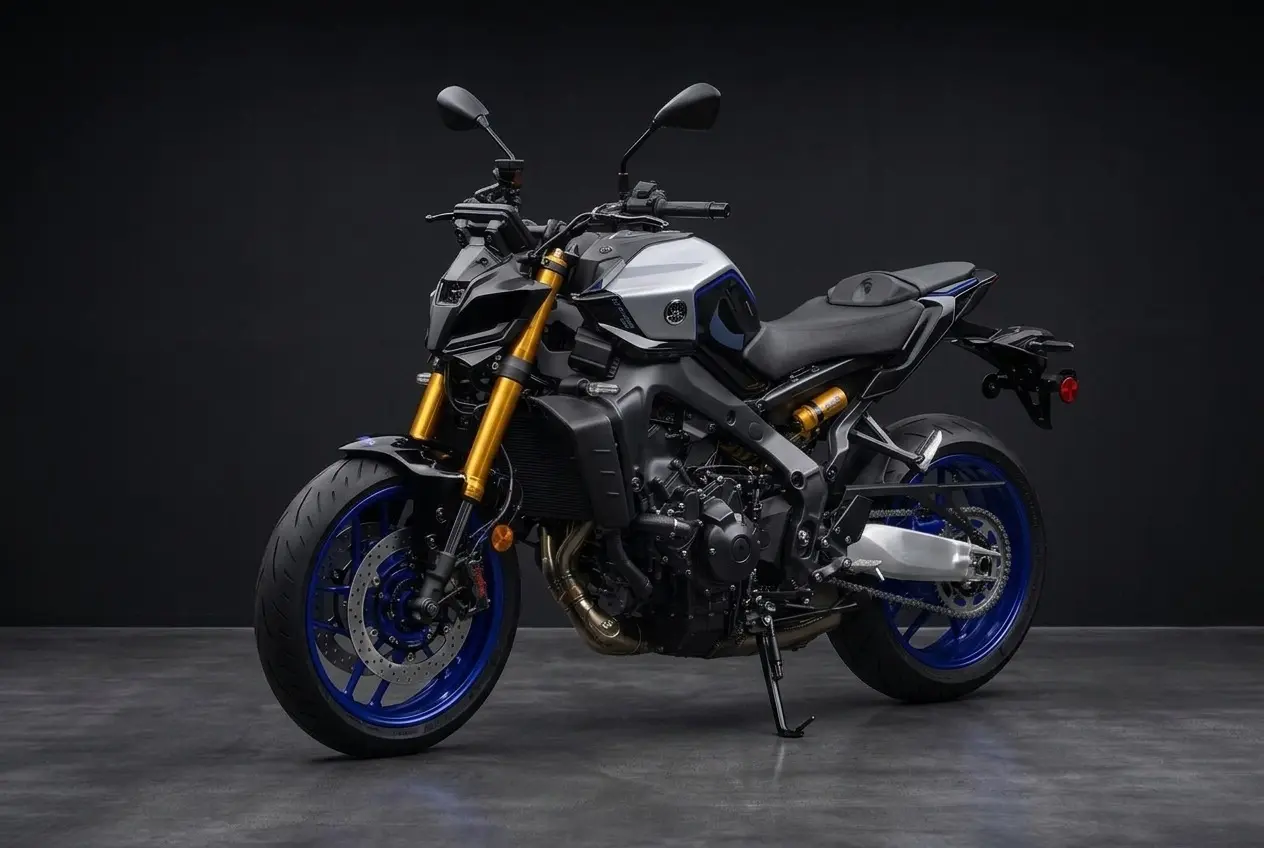
Book the Yamaha MT-09 SP. Pick your dates and book the Yamaha MT-09 SP online, or call us and we will sort it with you.
Book NowCall 0468 011 118The Oxley Highway climbs over the escarpment between the coast and the western tablelands, and the change in landscape is dramatic. Cloud can sit in the valleys, heavy vehicles grind up the grades and stock graze the verges of the bends. This guide covers the hazards a rider should expect on the escarpment, how to read the road ahead and how to plan a crossing that keeps the focus on the bike, with the Yamaha MT-09 SP as the machine for the job.
New to riding with us? Our page on motorbike hire in Sydney covers the bikes, the rider rules and how pick-up works.
The escarpment as the first real test
Most of the Oxley Highway is a pleasant, steady road, but the escarpment is where it asks more of you. The climb brings you from the warmer country near the coast into cooler air and higher ground, and the road responds with a sequence of grades and bends that need your full attention. Riders who treat the crossing with respect find it rewarding, while riders who arrive without a plan can find the descent and the climb tiring very quickly.
The highway is sealed and open to motorbikes. Its character changes as you move from the coastal plain to the escarpment, and then again as you drop toward the tablelands. Each section has its own rhythm, with wider straights near the flats, tighter bends on the climb and a steady, sometimes steep descent on the far side. Read the road in those stages and you will find the crossing easier to manage.
Plan the crossing as a whole, not a sprint to the top. Know where the steepest grades are, where the overtaking opportunities sit and where you plan to stop. A crossing that is treated as a sequence of stages feels calmer, and it gives you time to notice the hazards that come with the escarpment before they become a problem.
Hire terms for a crossing day
Riders must hold a full motorcycle licence held for at least three years and be 25 or older on every bike. Our hires run for at least three days, which gives you room to split the trip between the coast and the tablelands. The Yamaha MT-09 SP is the only bike in our range that takes a passenger, and that passenger must be 16 or over. Overnight, each bike must be kept in a locked garage or secure off-street parking from 9pm to 6am, so check the arrangement at your accommodation before you cross the escarpment.
A crossing that finishes in a town with secure parking gives you the calmest start the next morning. Confirm your accommodation before leaving the coast, and make sure the bike will be safe, dry and ready for the climb you have planned.
Fog and cloud on the escarpment
Cloud and fog are the hazard most riders remember from the escarpment. Moist air rises up the slopes, cools and forms cloud that can sit on the road for minutes or hours. Visibility can fall from clear to a few car lengths in a short distance, and the cloud often comes without warning as you climb around a shoulder of the hill. Keep your speed in line with what you can see, and be ready to slow the moment the light changes.
Fog is more likely on still, cool mornings and after rain, when the valleys hold moisture. The best approach is to wait for the cloud to lift and for the road to dry before you climb. If the escarpment is grey and wet when you arrive, consider a lunch stop on the coast and try again later in the day, when the sun has had time to clear the cloud from the ridges.
If you are caught in cloud, do not stop on a bend or a crest. Slow down early, turn on your headlight and move to a wide, sealed section away from the corners. Wait for the visibility to improve, keep warm and only continue when you can see the road clearly ahead. A few minutes spent waiting is always better than riding blind on a mountain road.
Trucks, slow vehicles and overtaking
Heavy vehicles are a constant feature of the escarpment. Trucks climb slowly, often in the left-hand lane, and their speed on the grades can drop sharply. Keep a generous gap behind them, and do not follow too closely on the descent, where the weight of a loaded truck makes stopping slower. Watch for brake lights and for the moment a truck begins to pull out to pass a slower vehicle.
Overtaking on the escarpment needs real care. Overtake only where the road is clearly visible for the full distance, and never on a bend, a crest or a section with a double line. Make sure the bike has room to complete the manoeuvre without forcing anyone off the road, and be patient if the window is not right. A slower truck is a nuisance, but a poor overtake on a mountain road is a serious risk.
Trucks can also throw up spray and grit in wet weather, which reduces visibility and grip. Keep your distance, angle your line slightly away from the centre of the lane and avoid riding alongside a heavy vehicle for longer than necessary. Give the drivers room to manage their loads, and they will generally return the courtesy.
Stock and wildlife on the verges
The verges along the escarpment are home to cattle, horses and other stock, and they can wander onto the road without warning. Stock are most active at dawn and dusk, when the grass is green and the grazing is good. Slow down wherever a fence line runs close to the road, and watch for animals at the edge of the bitumen before they become a hazard.
Kangaroos and wallabies also use the verges, particularly in the cooler parts of the day. Ride with your headlight on when the light is low, and keep your eyes on the edges of the road as well as the bend ahead. A sudden movement at the side of the road is a signal to slow down and take your time through the next section.
If you do come across stock on the road, reduce speed early and stop if you need to. Do not swerve sharply, because a sudden change of line on a corner can put you at greater risk than the animal. Let the animal move on and continue carefully once the road is clear.
Want the Yamaha MT-09 SP for your date? Pick your dates and book the Yamaha MT-09 SP online, or call us and we will sort it with you.
Book NowCall 0468 011 118Surface, bends and wet-weather grip
The climb is made up of tight bends, and the surface can change with the shade, the moisture and the wear from heavy vehicles. Wet leaves, painted lines and damp patches all reduce grip, particularly on the corners where the road turns back on itself. Brake gently before the bend, and keep the bike upright through the apex. Smooth throttle inputs on the exit help the rear tyre to grip.
Gravel and loose material can appear at the edges of the road after rain or at the mouths of side roads and pull-offs. Keep well clear of these areas, and avoid braking hard or leaning into a bend that has loose material on it. Our road bikes are for sealed surfaces, so if you come across an unsealed section, turn back rather than pressing on.
Wet weather changes the whole feel of the escarpment. Give yourself more braking distance, ease the bike into corners and expect the cold, damp air to make your hands and feet stiff. Check road conditions with Transport for NSW before leaving the coast, and check again if the weather looks different on the day.
Best time of day, season and stops on the crossing
The best time to cross the escarpment is late morning to early afternoon, when the cloud has usually lifted and the road has dried. Autumn and spring are the most comfortable seasons, with clear skies and mild temperatures. Winter brings cold mornings and cloud on the ridges, so start later and expect a chilly descent. Summer can be hot on the coast, and the escarpment can produce sudden afternoon storms.
Fuel planning is essential. Fill up on the coast before you climb, and top up in the larger towns on the tablelands before you head into the more remote country. Stations are spaced further apart on the western side, and small-town hours vary, so check that a station is open before you commit to it.
For food, the coastal towns offer the widest choice, with cafés and bakeries for lunch and coffee. Smaller villages on the escarpment may have limited options, so pack water and a simple snack for the climb. Weekends bring more visitors and holiday traffic, so a midweek crossing is quieter and easier to manage.
Fatigue, cold and staying alert
A long crossing can tire you more than you expect. The climbs, the bends and the constant need to read the road all take energy, and the cold can drain you further. Stop every two hours or so, stretch your back and shoulders and drink water. If your concentration slips or your hands go numb, stop somewhere sheltered and warm up before going on.
Dress for the coldest point of the day. A thermal base layer, a riding jacket with good protection, gloves that keep your fingers working and sealed boots all make a difference. Carry a waterproof outer for cloud and drizzle, and make sure your visor is clean and clear before you start the climb.
Never ride after drinking alcohol. A crossing of the escarpment demands sharp reactions and clear judgement, and alcohol takes both away. Make sure you feel fully alert before you start the climb, and if you are unsure, wait a little longer before setting out.

Book the Yamaha for the escarpment crossing
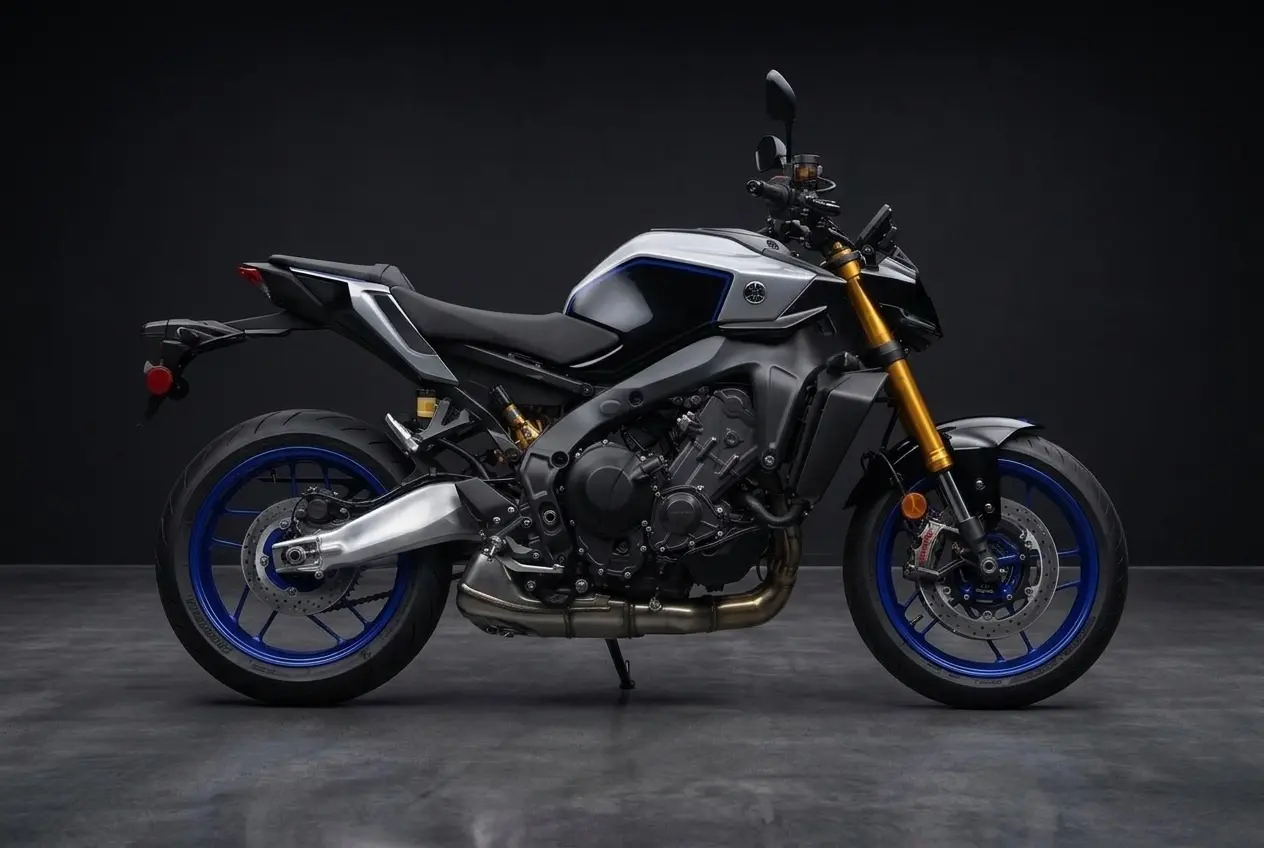
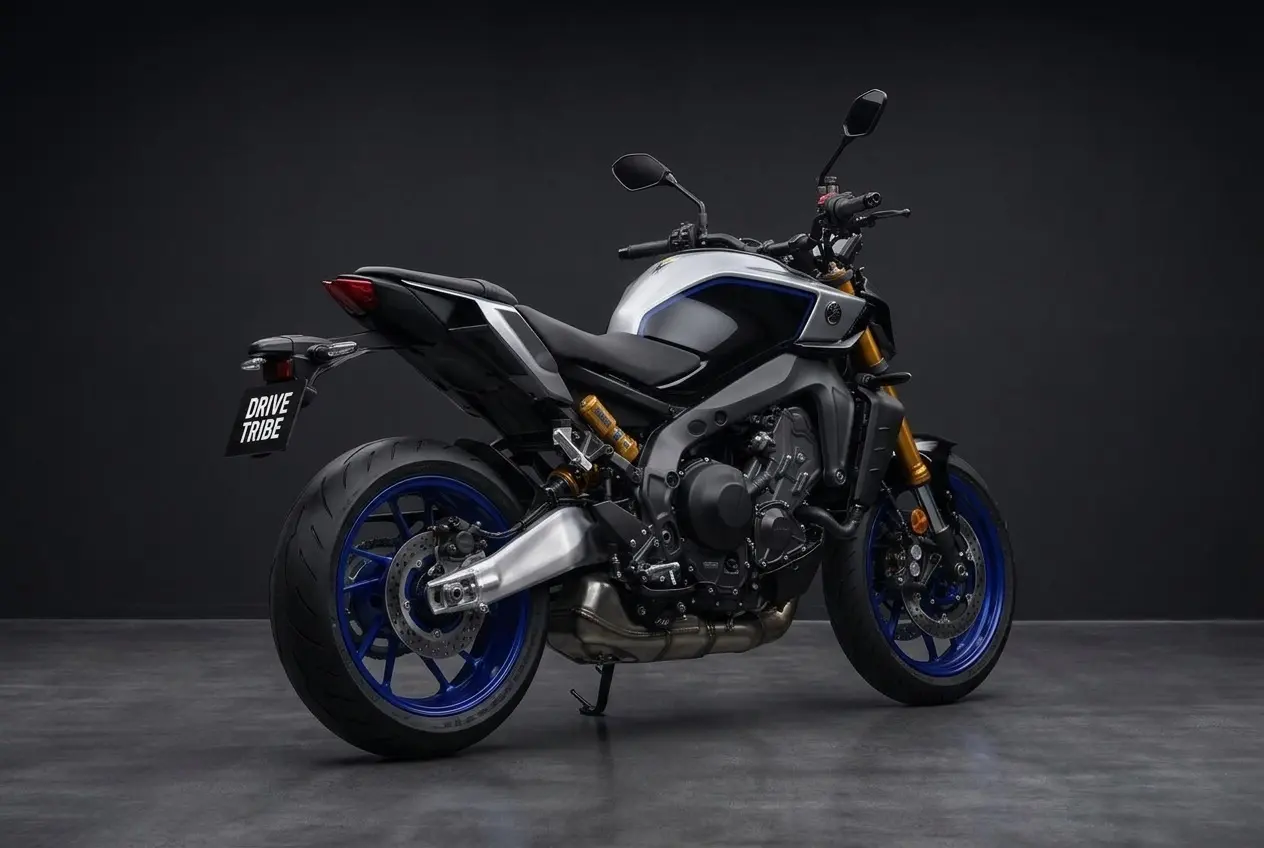
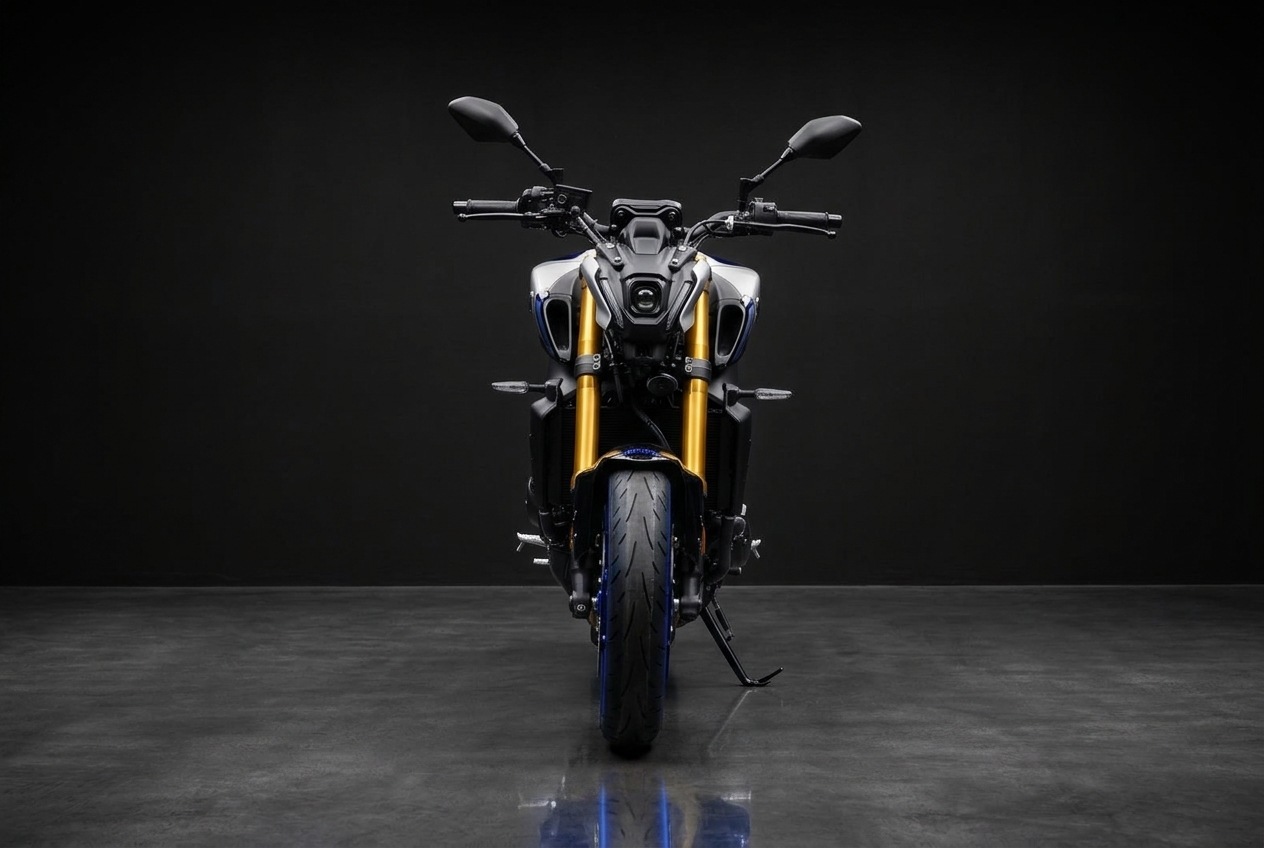
The Yamaha MT-09 SP is a strong choice for the Oxley Highway escarpment. It is an inline three performance naked bike with premium adjustable suspension, gold front forks and strong brakes, so it feels composed on the grades and gives you confidence when you need to brake for a slow truck or a patch of wet road.
The bike suits a rider who wants to enjoy the bends and read the road carefully. Its character matches the mix of steady highway, tight climbs and changing weather that the escarpment brings, and it rewards a smooth, deliberate style that keeps you calm and in control throughout the crossing.
When you are ready, book the Yamaha MT-09 SP and we will help you plan the crossing, the stops and the timing. Take the escarpment one stage at a time, and enjoy the road with a clear plan and a steady mind.
Frequently asked questions
Is the Oxley Highway escarpment a difficult ride?
It is demanding rather than dangerous when treated with respect. The climb has tight bends, changing grip and steady heavy traffic, and the weather can change quickly. A rider who plans the crossing, watches the road ahead and keeps the speed in line with the conditions will find it rewarding. If the cloud is thick or the road is wet, wait for better conditions rather than pushing on.
How do I deal with fog on the climb?
Slow down early, turn on your headlight and keep your eyes on the road edge and the centre line. If visibility drops to a few car lengths, move to a wide, sealed section away from the bends and wait for the cloud to thin. Do not stop on a blind corner or a crest. Keep warm while you wait, and only continue when you can see the road clearly ahead of you.
Are the trucks on the escarpment a problem?
Heavy vehicles climb slowly and can be difficult to pass, so they are a constant factor on the escarpment. Keep a generous gap behind them, avoid overtaking on bends and crests, and be ready for brake lights and sudden lane changes. A patient approach is the safest way to deal with slow traffic on a mountain road, and it keeps the crossing calm for everyone involved.
What should I watch for on the verges?
Stock, horses and wildlife can appear at the edges of the road, particularly at dawn and dusk. Slow down wherever a fence line runs close to the road, and keep your headlight on when the light is low. If an animal moves onto the road, reduce speed early and stop if you need to, rather than swerving sharply. Continue carefully once the road is clear.
Can I stop for a break on the climb?
Yes, at a wide, sealed area well away from the bends and the crest of a hill. Get the bike fully off the carriageway, stand it upright on firm, level ground and check the surface before you walk away. Use the break to warm up, drink water and check the bike. Avoid stopping on the verge if the ground is soft or loose, and never block a driveway or a side road.
Is it better to cross the escarpment in the morning or afternoon?
Late morning to early afternoon is usually the best window, once the cloud has lifted and the road has dried. Early mornings can be cold and misty, and late afternoons bring fatigue and changing light. Choose the time that suits the conditions on the day, and do not rush the crossing to beat the weather. A calm, well-timed crossing is always the better choice.
Ready when you are. Pick your dates and book the Yamaha MT-09 SP online, or call us and we will sort it with you.
Book NowCall 0468 011 118