

Book the MV Agusta F4. Pick your dates and book the MV Agusta F4 online, or call us and we will sort it with you.
Book NowCall 0468 011 118Putty Road looks straightforward on a map, a long run north-west from the edge of Sydney through bush, farmland and small villages. In practice it asks more of a new rider than its wide sweeps suggest. Wildlife is active at the edges, the shoulders can be rough and fatigue creeps in on the long straights. This guide walks through the hazards that catch first-timers out, and sets out how to ride the road calmly, with breaks and a steady line, so the trip feels like a good day rather than a test.
Everything to know before you book, from the licence rules to the bond, is on our Sydney motorbike hire page.
Why Putty Road asks more of a new rider
Putty Road is a major route, and a rider who arrives expecting an easy highway can be caught out. The road alternates between open, fast-looking sections and tighter bends where the land rises and falls. Each change asks you to adjust your speed, your line and your attention, and a new rider who has not yet built a rhythm can find that the transitions take more concentration than expected.
The biggest difference from a city ride is the space. There are long stretches with few junctions, few lights and few people, which can lull you into a comfortable pace. That comfort is exactly what catches riders out, because the road can change quickly and the nearest help may be a long way off. Treat the open sections as a chance to settle in, not a reason to stop watching the road.
A first visit is the time to learn the road in small pieces. Ride a short section, stop, look at the surface and the shoulders, and think about what you would do if a car came around a corner on the wrong side. Build the route in stages across a few rides, and you will find the road becomes familiar, predictable and far more enjoyable.
Wildlife at dusk and along the edges
Wildlife is most active at dawn and dusk, and the bush edges of Putty Road are home to animals that move without much warning. Kangaroos, wallabies and birds can step out from the scrub, especially on the quieter straights where the grass grows close to the seal. A rider who is moving at a steady pace, with eyes well up the road, has the best chance of seeing an animal early enough to react safely.
Plan your riding so that the bush sections fall outside the busiest times for animal movement, where you can. If you must ride them at dusk, slow down, scan the verges on both sides and watch the grass for movement. Do not swerve sharply if an animal appears, because a sudden change of line on a loose edge can cost you far more than a steady brake and a straight course.
Wildlife strikes are unpredictable, so good gear matters as much as good judgement. A full-face helmet, a riding jacket with abrasion protection and boots that support the ankle are the minimum for a rural road. Keep your lights on during the low-light hours so that you are easier to spot, and give yourself space from the vehicle ahead so that you can react if something moves on the road.

Rough shoulders and gravel on corners
The surface of Putty Road is generally good on the main carriageway, but the shoulders and the edges of corners can be a different story. Patches of loose gravel, broken seal and uneven drop-offs can appear after roadworks or heavy rain, and they are often hardest to see in the shade. A line that puts you close to the edge is a risky one, because a wheel that drops onto a rough shoulder can upset the bike quickly.
Gravel on a corner is the hazard that surprises new riders most. It tends to gather where vehicles brake or turn, and it can sit in a thin layer that is hard to notice until the bike is leaning. Approach each bend a little slower than you think you need to, keep the bike upright on the entry, and avoid braking or accelerating hard while the bike is leaning over.
Choose a line that keeps you well clear of the broken edges and away from the centre of the road where oncoming traffic can be a concern. Use the full width of your lane wisely, and be ready to move back to the centre if the edge becomes worse. A steady, measured line is always safer than a fast one.
Fatigue on the long straights
Fatigue is the quiet hazard on Putty Road. The long straights are restful for the eyes but tiring for the mind, and the mind tends to drift on open roads. Riders often realise they have lost concentration only when a bend or a vehicle appears unexpectedly. A rider who stops regularly is far less likely to find themselves in that position.
Plan breaks at intervals rather than waiting until you feel tired. A short stop every hour or so gives you time to stretch, drink water and check your focus. Pick places where you can pull off safely and stand clear of the traffic, such as a wide gravel-free parking area or a village stop with space to rest. Avoid resting on the shoulder itself, where the surface can be rough.
Warm weather makes fatigue worse, and a long hot day in full gear can drain you quickly. Start early, keep your fluids up and eat a light meal rather than a heavy one before the long stretches. If you find yourself yawning, drifting across the lane or struggling to recall the last few kilometres, stop straight away. There is no shame in a longer break, and a rested rider is a much better rider.
Weather, fog and the morning start
Weather can change the feel of the road quickly. Morning fog can sit in the low ground and along the creek lines, and it can reduce visibility to a few hundred metres within minutes. Wet weather brings slippery paint, oil in the lanes and standing water in the dips. Cold mornings can make your hands stiff, so warm up gently and check your gloves before you commit to the first corners.
Start your ride in good daylight, after the morning has warmed and the fog has begun to lift. A rider who starts in a hurry, with the road still cold and damp, is more likely to make a mistake on the first bend. Pack an extra layer for the cooler sections and a dry cloth for the visor, because condensation can form quickly when the temperature changes.
If the weather turns during the ride, reduce your speed and increase your following distance. Use your lights, avoid sudden braking, and take shelter at a safe stop if the conditions become too difficult. A wet day on a rural road is manageable with patience, but it does not reward haste.
The hire rules that matter on a first ride
Three rules sit behind a first ride on Putty Road, and they are the ones to keep in mind before you ride. Helmets (Shark, AGV or Bell) can be hired from us in small, medium or large for $50 per hire, or you can bring your own, and a helmet replacement fee applies if a helmet is lost or damaged. We do not supply jackets, gloves, pants or boots, so bring your own riding gear. Riding 30 km/h or more over the posted limit ends the hire, and the security bond is forfeited, so the speed line on this road is not one to test.

Want the MV Agusta F4 for your date? Pick your dates and book the MV Agusta F4 online, or call us and we will sort it with you.
Book NowCall 0468 011 118Gear, fit and the first hour on the bike
Good gear is the foundation of a safe first visit. A helmet that fits snugly without pressure points, a riding jacket with proper abrasion protection, gloves that suit the weather and boots that support the ankle are the core items. Check each piece before you leave, and make sure the helmet fastens securely and does not move when you shake your head gently.
Spend the first hour getting used to the bike before you tackle the road in earnest. Practise braking in a quiet area, check the throttle response and work out how the bike feels through a gentle bend. A new rider who has done that groundwork rides with more confidence, and confidence is what keeps the bike steady when the road asks something unexpected.
Keep a small kit on the bike or in your jacket, including a first aid basics pouch, a torch and a cloth for the visor. None of these items is glamorous, but each can be the difference between a minor problem and a long wait on a rural road.
Road character, fuel, food and the best time to ride
The best time to ride Putty Road is on a weekday morning, when the traffic is lighter and the light is clear. Weekends can bring heavier traffic, including cars towing, larger vehicles and riders in groups, so a quiet weekday gives you more room to settle. Autumn and spring offer the most comfortable temperatures, with summer heat and winter cold both demanding more planning.
Fuel is most reliable in the towns at each end of the route, and the stretches between them can feel long, especially in the hills. Top up before you leave the outer suburbs and again when the tank reaches roughly half. Food stops are scattered along the road, and a country cafe with a shaded table makes a good place for a relaxed break. Avoid heavy meals before the more demanding bends.
Expect a mix of tighter bends, open straights and the occasional steady climb. Heavy trucks use the road, and they can be slower on the climbs, so pass only when the way is clear and you are confident. Local traffic knows the road well, so be patient and leave space around you when you are overtaken or when you pull out to pass.
Riding within your ability on a first visit
The safest first ride on Putty Road is one you have planned and paced. Set a target of the sections you want to cover, and be prepared to shorten the day if the weather, the traffic or your energy levels change. Riding within your ability means matching your speed and line to the bike, the road and your own confidence, rather than to the pace of anyone else on the road.
Never ride after drinking alcohol, even a small amount, and avoid riding when you are unwell, tired or distracted. A calm, unhurried ride is the best way to learn the road, and the countryside rewards patience with views that are easy to miss when you are rushing.
Check road conditions with Transport for NSW before you leave, and be willing to change the plan if the advice or the weather suggests a different route. A good first ride is one that leaves you wanting to return.
Book the MV Agusta F4 for a careful road
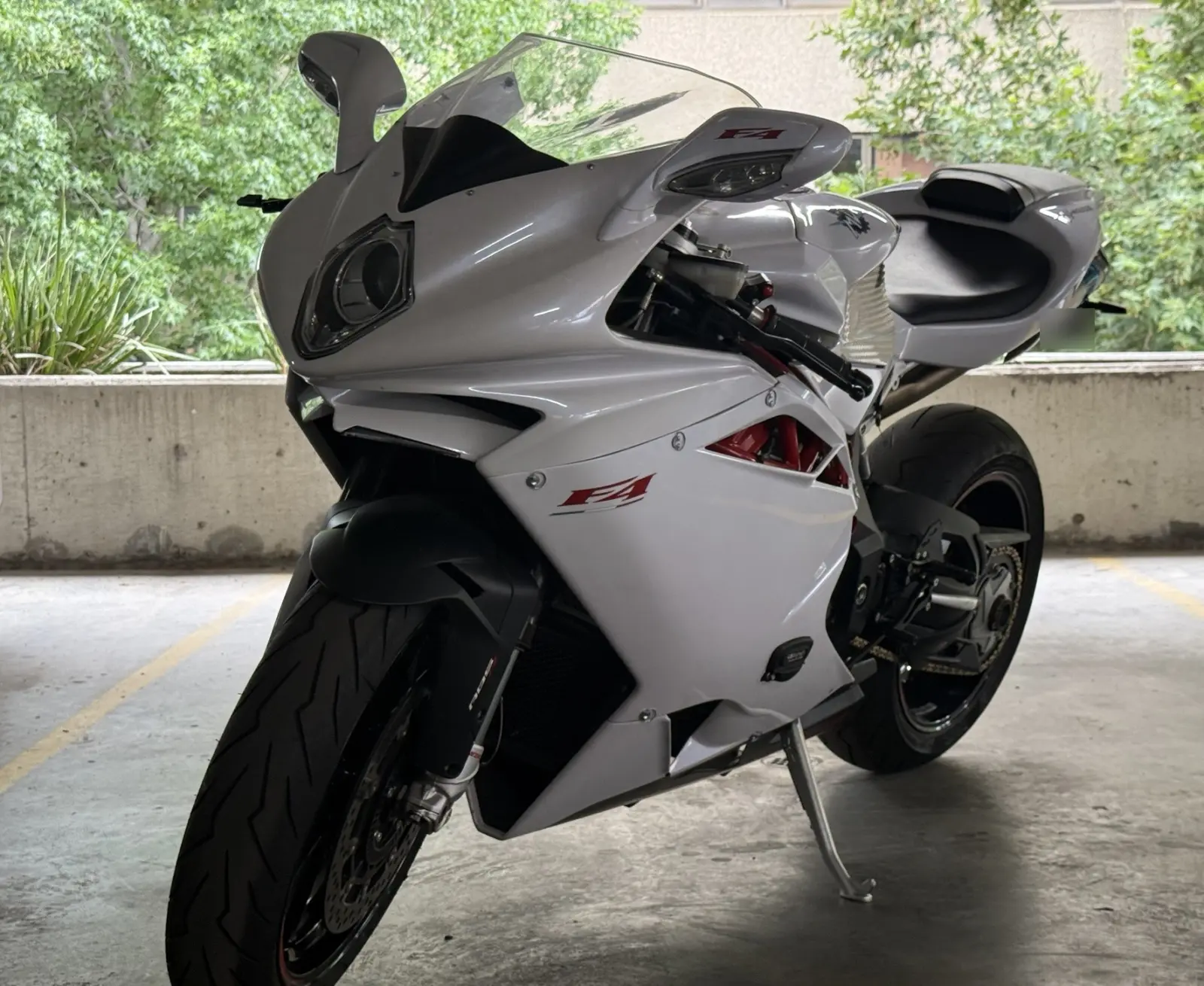
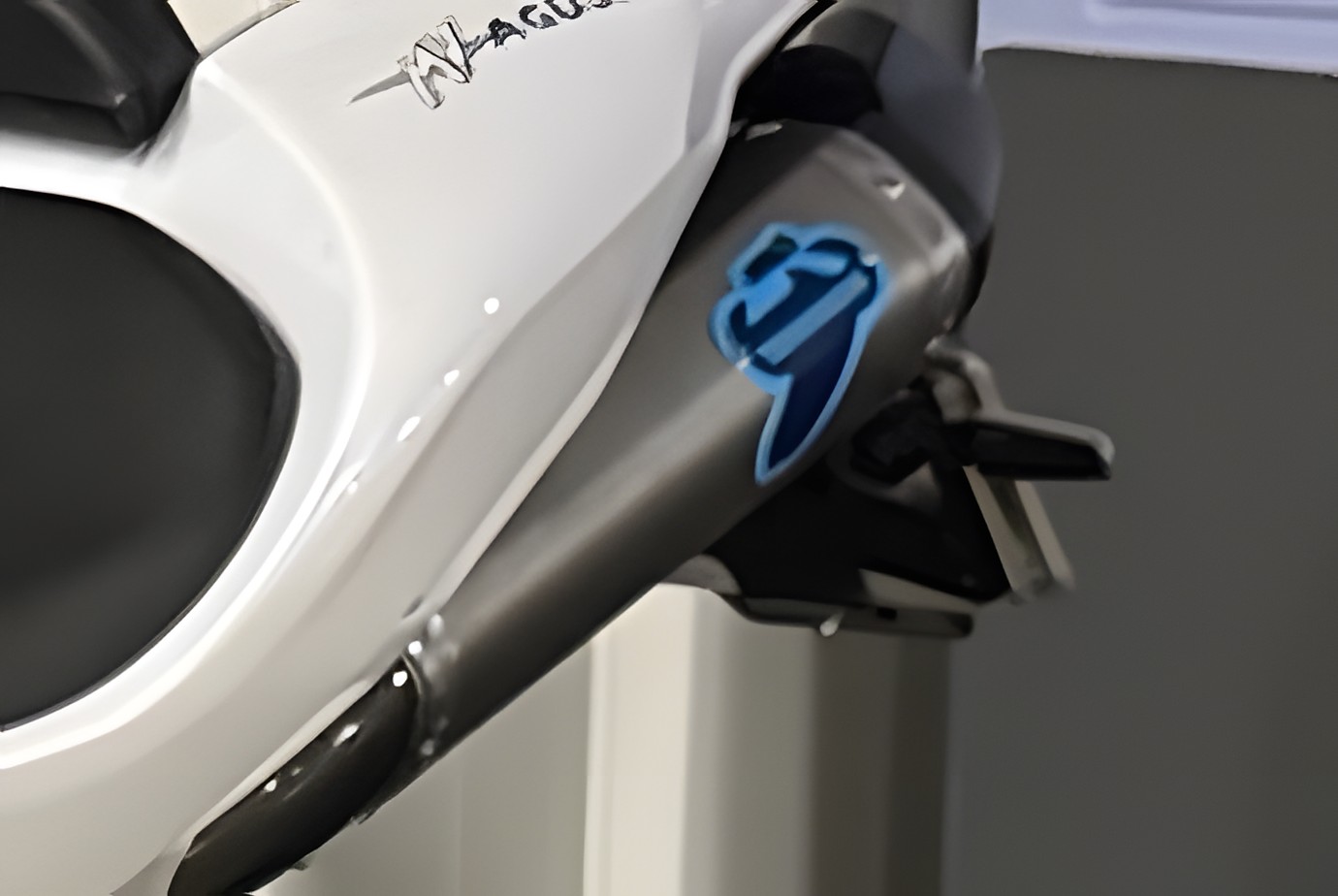
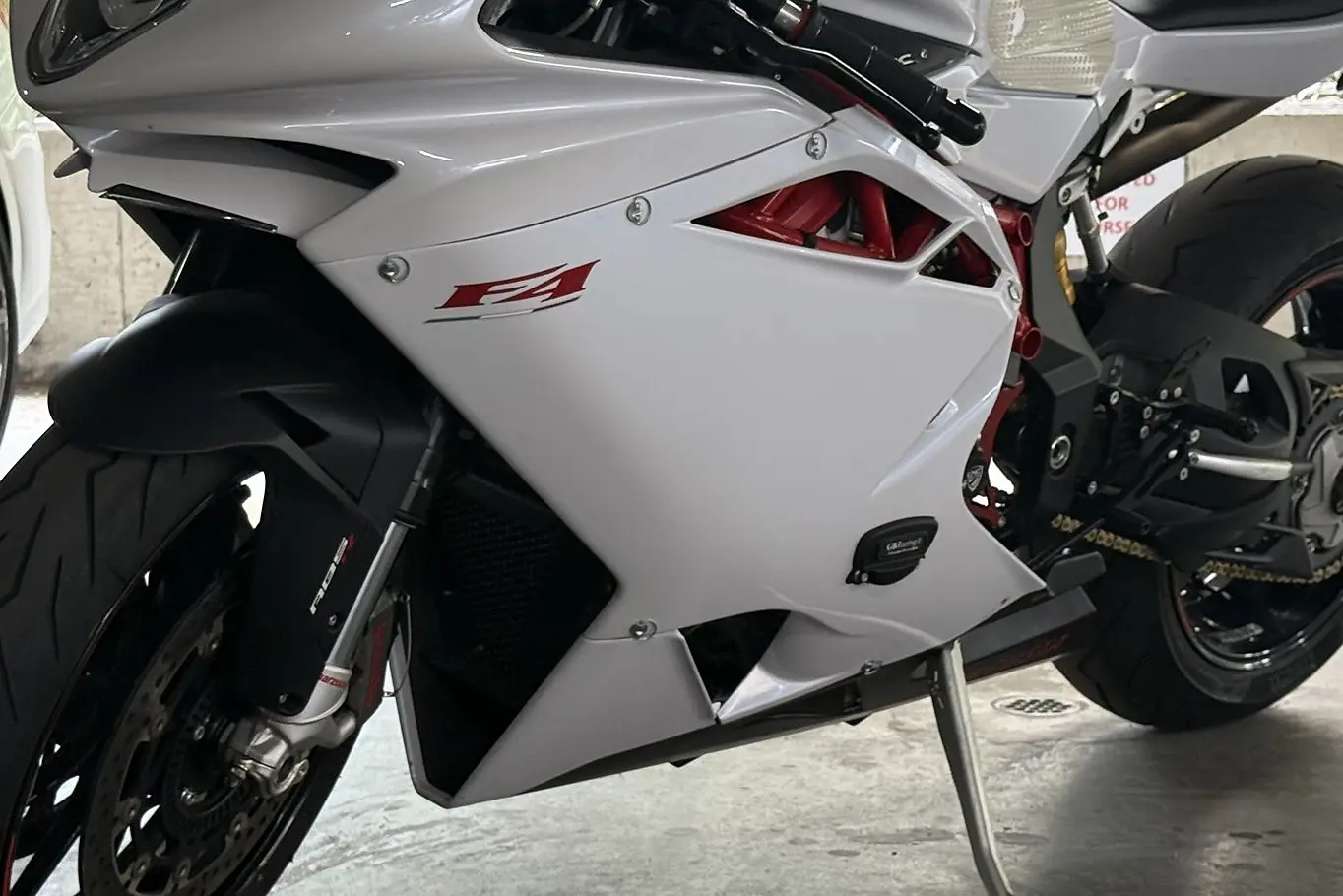
For a rider who has prepared thoroughly and wants a machine with real character, the MV Agusta F4 is a striking choice. Its 998cc inline four and pearl white finish with a red trellis frame stand out, and its performance exhaust gives the engine a clear voice. On a road like Putty Road, a bike with a strong, controllable engine rewards a steady, measured approach.
When you have the route planned, the gear sorted and the weather checked, you can reserve the MV Agusta F4 here: book the MV Agusta F4. Take your time on the road, respect the wildlife and the gravel, and enjoy the ride.
Frequently asked questions
Is Putty Road suitable for a first-time motorbike rider?
It can be, provided you prepare well and ride within your ability. The road mixes open straights with bends, and the shoulders can be rough in places. Build your experience on shorter sections first, plan regular breaks and avoid riding at a pace that outstrips your confidence. A calm, measured ride is the best introduction to the road.
When is wildlife most likely on the road?
Wildlife is most active at dawn and dusk, and the bush edges of the road are where animals are most likely to step out. Keep your speed steady, scan both verges and look for movement in the grass. Lights help you be seen during low-light hours, and leaving room around you gives you time to react if an animal appears.
What is the biggest hazard on the rough edges?
Loose gravel and broken seal near the shoulders are a common problem, especially after roadworks or rain. A wheel that drops onto a rough edge can upset the bike quickly. Keep your line well clear of the edges, approach corners at a steady pace and avoid braking or accelerating hard while the bike is leaning over.
How often should I stop on the long straights?
A short break roughly every hour is a sensible starting point, with an earlier stop if you start to feel drowsy, drift across the lane or struggle to recall the last few kilometres. Choose a safe, level place to pull off, away from the traffic and off the rough shoulder, and use the break to stretch, drink water and check your focus.
What gear do I need for a rural road like this?
A helmet that fits well, a jacket with proper abrasion protection, gloves suited to the weather and boots that support the ankle are the core items. Layers help on cool mornings, and a cloth for the visor is useful in changing conditions. Pack for the weather you expect and for a cooler change, because the road can feel very different across a single morning.
When is the best time to ride Putty Road?
A weekday morning is usually the most relaxed choice, because traffic is lighter and the light is clear. Autumn and spring offer comfortable temperatures, while summer heat and winter cold need more planning. Avoid starting in fog or on a cold, damp road, and wait for the morning to warm before you ride.
Ready when you are. Pick your dates and book the MV Agusta F4 online, or call us and we will sort it with you.
Book NowCall 0468 011 118