

Book the MV Agusta F4. Pick your dates and book the MV Agusta F4 online, or call us and we will sort it with you.
Book NowCall 0468 011 118There is a particular kind of road that appears after a wet weekend in the Sydney hills. It looks dry from the car park, the tarmac is dark and glossy in patches, and the bends you rode confidently last month now hide a film of water in the shade. This guide is about reading that drying surface honestly, so your grip expectations stay realistic and every corner gets the respect it deserves on the way home.
For the bikes we hire, who can ride them and how a hire runs, see motorbike hire in Sydney.
Why the first dry day is the trickiest
The first sunny day after a soaking weekend is often the one that catches riders out. The main road is dry enough to feel friendly, the sky is clear and the hills look inviting, so it is tempting to pick up the pace as if the whole ride were back to normal. Yet the surface keeps changing hour by hour, and the grip you had on Saturday may not be the grip you have on Monday morning.
Water does not leave the road evenly. It drains off the high points, settles into dips and lingers wherever the sun cannot reach. A bend that faces away from the sun or sits under a row of tall trees can stay damp long after the open straights are bone dry, and a rider who assumes the whole road has changed can be surprised at the first shaded corner.
Our aim here is simple: match your expectations to the surface, not to the weather report or to how the road felt last time you rode it. A rider who approaches each bend as if grip is still reduced will find that the road gradually earns back its trust, and a few quiet kilometres at a steady pace will tell you more than any forecast ever could.
Reading the drying surface before you lean on it
Learn to read tarmac before you trust it. Dark, glossy patches usually mean water is still sitting on the surface, while a pale, chalky look often shows the road is drying and the top layer is clearing. Look for the boundary between wet and dry tarmac, because that line is where grip changes, and avoid building lean across it until you have passed over and felt the bike settle beneath you.
Watch the edges of the lane too. Water tends to collect where the seal meets the gutter, and the centre of a lane can look dry while the wheel tracks remain damp from passing traffic. Many hill roads also carry leaf litter and grime along the sides, which holds moisture and turns slick very quickly once tyres have disturbed it.
Use the feedback the road gives you as you ride. A gentle squeeze of the front brake on a straight tells you a lot about the surface, and so does the feel of a light throttle roll. If the front feels vague or the rear steps out under mild load, the grip is less than it looks, so ease back and let the road reveal more before you commit to a corner.

Shade, leaf litter and the cold side of the hill
The shady side of a hill keeps its moisture the longest. Trees block the sun, the air stays cool and the road can remain damp well after the rest of the ride has dried out. When you enter a pocket of shade, expect the surface to be wetter than the sunlit stretch that came before it, and adjust your entry before the shadow arrives rather than inside it.
Leaf litter is the hidden hazard after rain. Wet leaves and bark gather on the inside of a bend, where traffic and wind push them, and they sit on the road like a thin layer of grease. Avoid running over heavy build-ups of debris, and give yourself a wider margin on any bend where fallen branches or muddy streaks cross the seal.
Cold mornings add another layer of caution. Even after a sunny afternoon, the early hours can leave the road cool and damp, and a cold tyre offers less grip than one that has been warmed gently. Begin with easy straights and modest lean angles, and let both the bike and your body come up to temperature before you ask more of either of them.
Painted lines, manhole covers and road studs when wet
Painted lines are among the slipperiest things on any road in the rain, and they stay treacherous for a while after the shower has passed. The paint is smoother than the surrounding tarmac and can hold water on its surface. Cross lines at a shallow angle, keep the bike upright and avoid braking or leaning on them, particularly in the middle of a bend.
Manhole covers, drain grates and road studs deserve the same respect. Their metal and ceramic surfaces can be treacherous when damp, and some sit at the edge of a lane where riders naturally place their wheels. Look ahead early and choose a line that keeps the bike clear of them, especially when you are already leaning into a corner.
If you cannot avoid a painted line or grate, reduce your lean angle, ease the throttle and keep your hands relaxed so the bike can settle without sudden corrections. Passing over these features upright and gently is almost always better than trying to correct a wobble halfway across, and a smooth approach costs you little more than a second of patience.
Adjusting lean and throttle as the road dries
The challenge changes as the road dries out. Early in the day you may ride the same bends with reduced lean and a patient throttle, but as the afternoon warms the surface you can gradually add lean and a little more drive, provided you keep checking the road ahead. Make these changes in small steps, never all at once, and let each step prove itself before the next.
Throttle control matters most on a damp road. A sudden roll on or off can unsettle the rear wheel, while a smooth, progressive input keeps the tyres loaded and the bike predictable through the bend. Think of the throttle as a dial you turn slowly, watching how the bike responds before you ask for more.
Brakes deserve the same gentleness. Apply the front brake progressively and early, and avoid grabbing it on the approach to a bend. Where the road is clearly dry and grippy you can begin to trust the brakes more, but keep the habit of slowing in a straight line, upright, before the lean starts, because that habit is what keeps the bike composed on every surface.
Building confidence one stage at a time
Confidence on a drying road is built in stages, not in one heroic run. A useful approach is to set a short, specific goal for each stretch, complete it, and only then move on. Treat each stage as a checkpoint that tells you whether the surface deserves more lean or more caution, and you will find the ride becomes steadily more rewarding.
Here is a practice ladder we suggest for a rider who wants to build trust in a changing road. Work through each step on a quiet section before moving up to the next one.
- Ride a straight section and brake gently to feel how the front responds.
- Take a shaded bend at a steady pace and note exactly where the surface changes.
- Cross a painted line upright and feel the bike settle before you lean.
- Add lean on a sunlit bend once the surface has felt consistent for several corners.
- Return to a shaded or leaf-strewn bend at the end of the ride to check your progress.

Want the MV Agusta F4 for your date? Pick your dates and book the MV Agusta F4 online, or call us and we will sort it with you.
Book NowCall 0468 011 118Choosing the right bike while the road is still drying
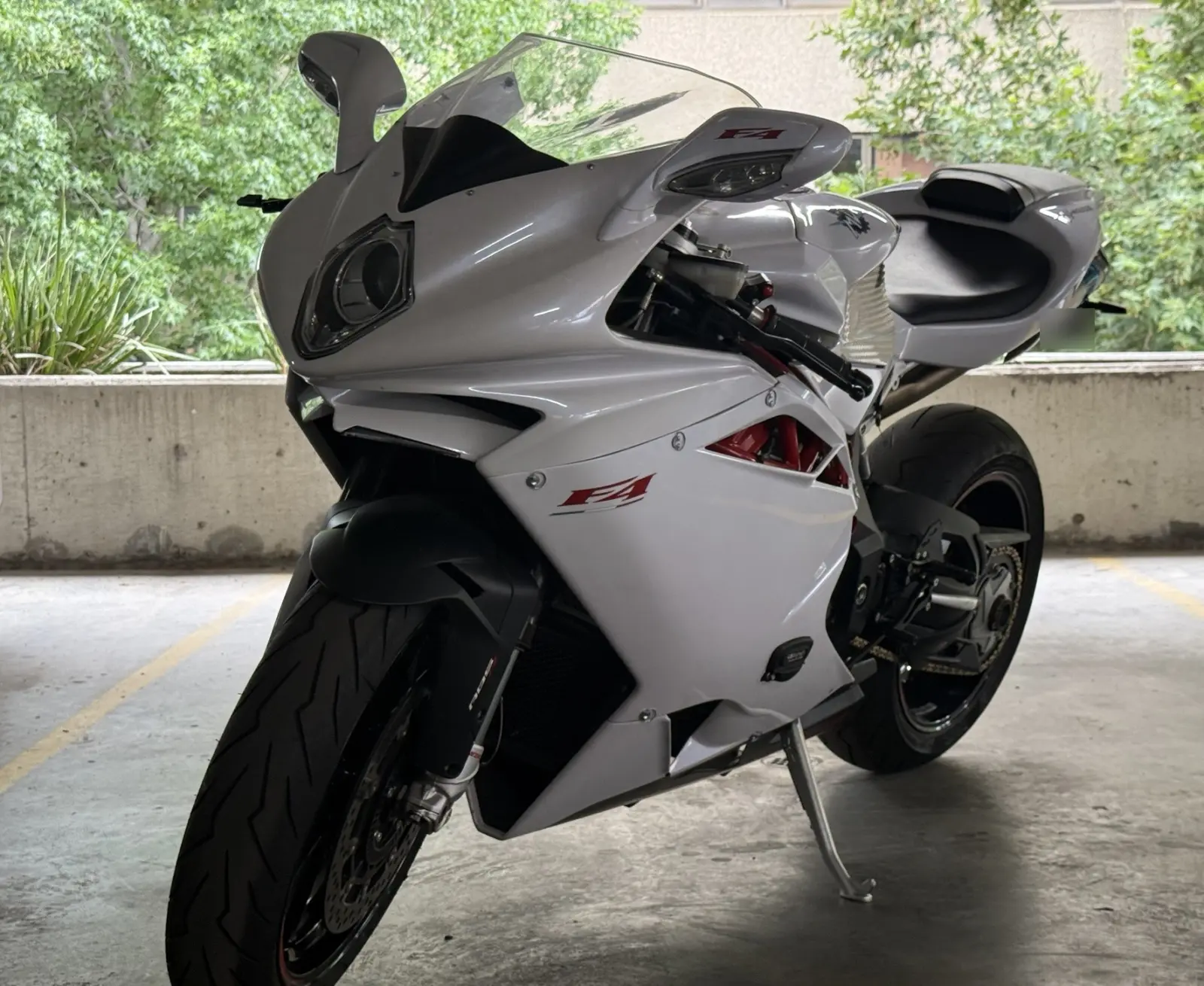
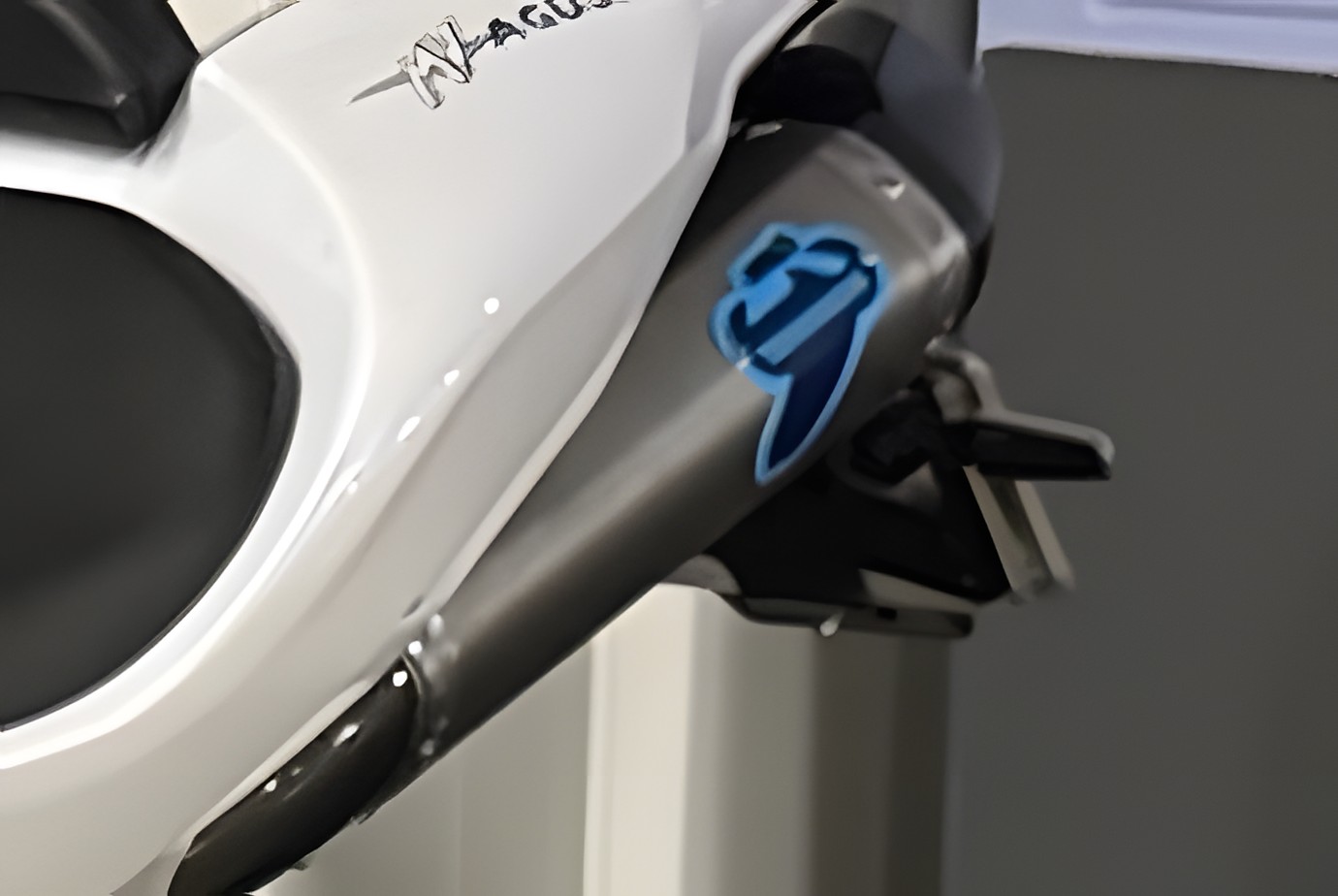
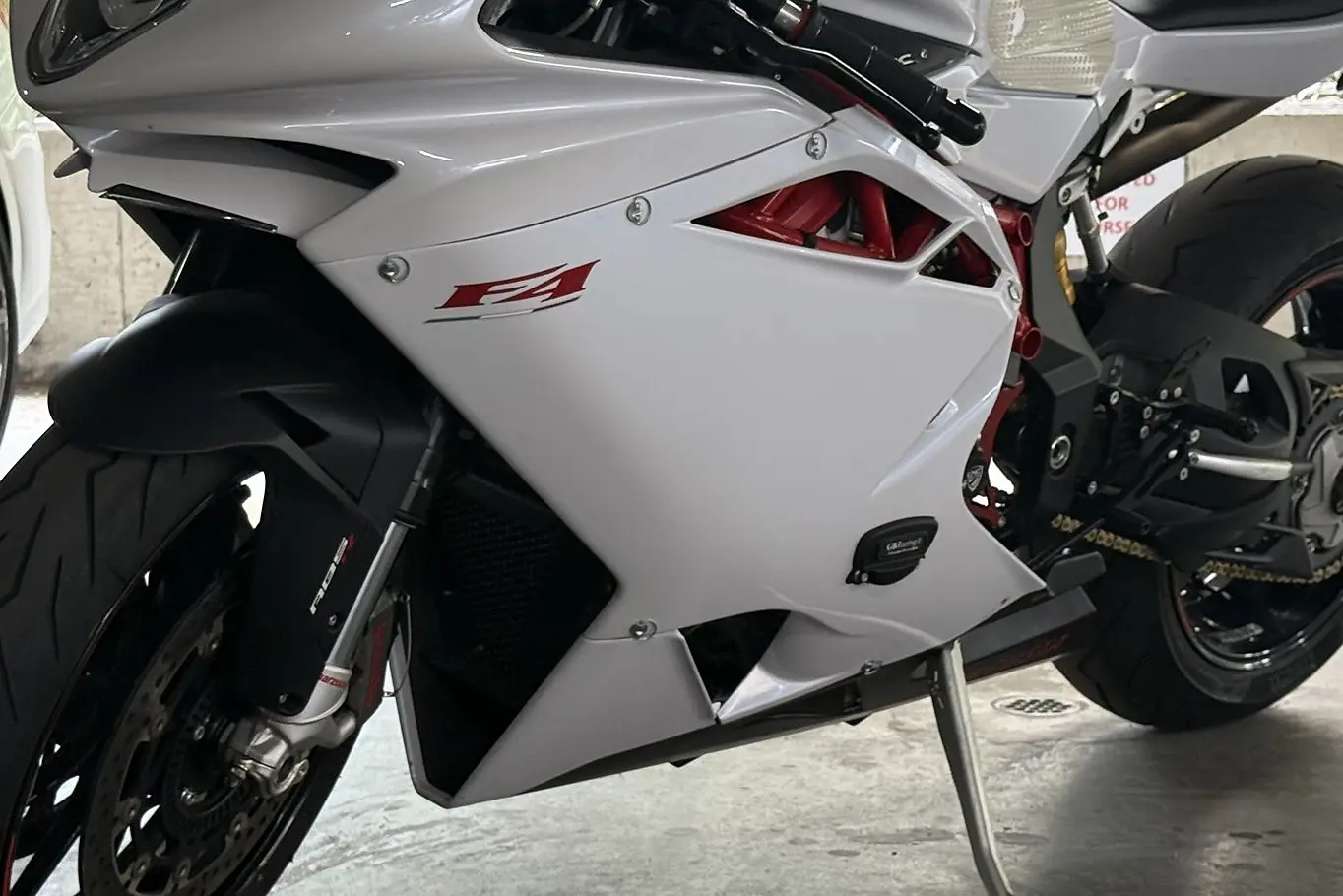
A bike that rewards measured inputs suits a drying road best. The MV Agusta F4 is a serious machine, with its 998cc inline four and pearl white finish with a red trellis frame, and it rewards a rider who is patient with the throttle and deliberate with lean angle. On a damp morning that patience matters far more than any single figure on the spec sheet.
The Yamaha MT-09 SP offers a more upright riding position and premium adjustable suspension, which many riders find reassuring when they are reading a changing surface. Its strong brakes and an inline three that delivers usable power across the rev range make it easy to ride gently while still enjoying the road ahead.
The Ducati 1199R is a superbike for experienced riders, and we would only suggest it on a drying road for a rider who already knows how the bike feels on a damp surface. Whichever bike you choose, the best ride starts with an honest assessment of how the road feels today. Our fleet index at /our-fleet/ lays the three bikes side by side.
Timing the ride: season, fuel and food stops
Late morning to mid afternoon is often the best window after a wet weekend. Early mist may still hang in the valleys, and the shaded bends will be cold and damp, so letting the sun warm the road first is the kinder choice. Traffic tends to build later on weekends too, so an early start, once it is fully light, usually gives you calmer roads for the opening kilometres.
Autumn and spring are the most reliable seasons for drying roads, with milder days and fewer afternoon storms. Winter brings shorter daylight and colder mornings, while summer can bring fast-moving showers that build over the hills by mid afternoon. Check the forecast before you leave, and be ready to change plans if a front is moving through the ranges.
Fuel and food deserve planning on a hill ride. Fill the tank before you climb into the hills, because service stations are far fewer on the quieter back roads. Stop for a meal at a sheltered spot away from the bends, and choose a place where you can park clear of traffic and look back over the road you have just ridden.
Safety on wet-weather and cold-morning rides
Protective gear matters most when the road is unpredictable. A well-fitted helmet, a jacket with armour, gloves, boots that cover the ankle and trousers designed for motorcycling all help. Waterproof layers are worth carrying on hill rides, because a passing shower can turn a dry afternoon cold and miserable within minutes. Gear that fits well keeps you warm, dry and focused on the road.
Fatigue and wildlife share a common risk after a wet weekend. Tired riders misjudge grip, and the dusk and dawn hours bring kangaroos and other animals onto the verges. Take a break every hour or so, keep your pace moderate on hill roads as the light fades, and avoid riding when you are worn out from a long weekend of driving.
Keep your riding inside your comfort zone, and do not get on a bike after any alcohol. Check road conditions with Transport for NSW before you leave, because closures, slips and debris can turn a planned loop into an unexpected detour. If the surface looks worse than you expected, turn back early rather than pushing on towards a destination you had in mind.
Hire terms and your next ride
Our bikes are self-drive, hired from Drive Tribe in Parramatta on a three day minimum. To ride, you must hold a full motorcycle licence and have held it for at least 3 years, and you need to be 25 or older on each of our bikes. Helmets (Shark, AGV or Bell) can be hired from us in small, medium or large for $50 per hire, or you can bring your own. We do not supply jackets, gloves, pants or boots, so bring your own riding gear.
Riding a drying road well is mostly about patience, and it is a skill that makes every later ride more enjoyable. Plan a route that suits the conditions on the day, with straight roads and open bends to begin with and the hillier sections saved until the road has dried properly.
When you are ready to ride the hills on a bike that rewards calm, deliberate inputs, the MV Agusta F4 is available from our fleet. Use the Book Now button on this page to reserve it, and take the first run slowly. The best wet-weekend ride is the one where you come home still wanting another.
Frequently asked questions
How long after rain is it safe to ride the hills?
There is no fixed time, because it depends on the shade, the wind and how heavy the rain was. Shaded and north-facing bends can stay damp for hours after the open road has dried. Start with straight sections, watch how the surface changes, and treat any shaded bend as wetter than the sunny stretch before it. If in doubt, wait longer and ride later in the day.
Are painted lines always slippery after rain?
Not always, but they are often more slippery than the surrounding tarmac, especially in the first part of a drying spell. Paint can hold water and is smoother than the road beside it. Cross lines upright and at a shallow angle, and avoid braking or leaning on them, particularly through a bend where the lean is already building.
Can I trust the front brake on a drying road?
Trust grows with careful use. Apply the front brake progressively on the straight, well before the bend, and avoid sudden grabs that can unsettle the front wheel. Once you have felt the bike respond on several straight sections, you will have a better sense of the grip available. Keep the habit of braking upright, before the lean starts.
What should I do if I feel the bike slide?
Stay calm, keep the bike upright if you can, and avoid abrupt brake or throttle inputs. Ease off gently, look where you want to go and let the bike settle before adding any input. Once you are safely stopped, look at the surface you were on and decide whether to continue, slow down or turn back for the day.
Which bike suits a damp weekend ride best?
A bike with predictable, progressive power and a comfortable position is the best choice. The MV Agusta F4 rewards a patient rider who is deliberate with the throttle, while the Yamaha MT-09 SP offers an upright position and adjustable suspension. The Ducati 1199R suits experienced riders who already know how the bike behaves on damp surfaces.
How do I build confidence without taking risks?
Build it in small steps on quiet roads. Set one goal for each section, and move on only when the previous one feels consistent. Keep a steady pace, watch the surface and accept a slower ride as a sign of good judgement rather than a failure. Over several weekends the road will feel more familiar and your decisions will come more naturally.
Ready when you are. Pick your dates and book the MV Agusta F4 online, or call us and we will sort it with you.
Book NowCall 0468 011 118