
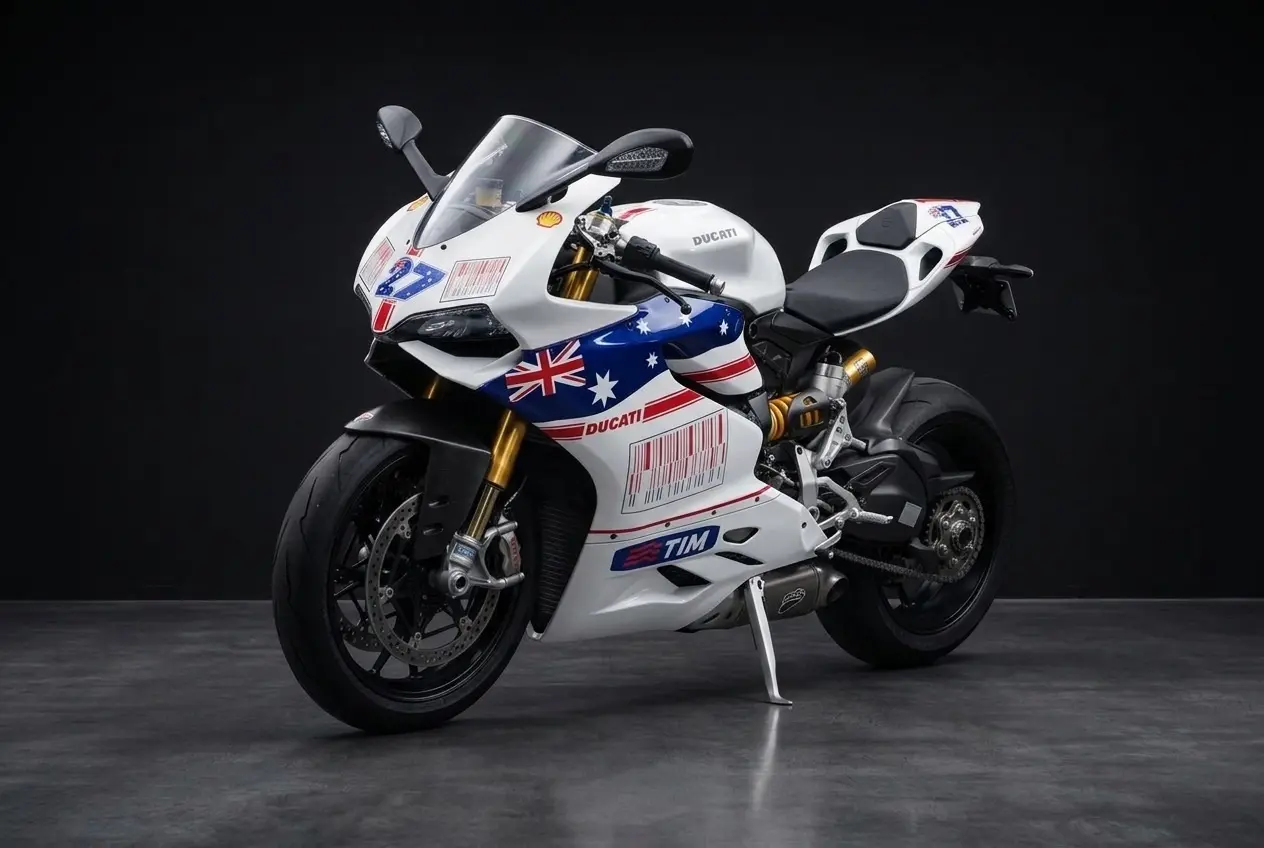
Book the Ducati 1199R. Pick your dates and book the Ducati 1199R online, or call us and we will sort it with you.
Book NowCall 0468 011 118Tunnels are short, dark and loud, and they can change how a motorcycle feels within a few hundred metres. The light drops away, the air goes still and then pushes back, and the engine note bounces off the walls. A rider who expects these changes can ride a tunnel as calmly as any open road. This guide explains what changes inside a tunnel, how to prepare on the approach and how to ride through with a steady line.
New to riding with us? Our page on motorbike hire in Sydney covers the bikes, the rider rules and how pick-up works.
What a tunnel does to your light and sense of speed
Entering a tunnel from bright sunshine is like walking into a dark room. For the first second or two, your eyes struggle to see the surface, the lane markings and the vehicles ahead. Your sense of speed can also feel distorted, because the walls rush past at close range and the road seems to move faster than it actually does. Expect this effect, and avoid reacting to it with a sudden throttle change.
Lighting inside tunnels varies. Some sections have bright lamps, others have sodium or LED fittings that cast an uneven glow, and the lights may flicker as you pass each fitting. This can make it hard to read the surface or spot a vehicle that has slowed. Keep your gaze on the road a few seconds ahead, and let your eyes adjust gradually rather than staring into the darkest part of the tunnel.
Preparing on the approach
Most tunnel problems begin before you reach the entrance. Plan your speed on the approach so that you are already at a steady pace when the light changes. Slowing hard at the portal can unsettle the bike, and it may catch a following vehicle by surprise. Ease off the throttle early, select a gear that gives you smooth drive and settle into your line well before the tunnel mouth.
Take off your sunglasses before you enter. Tinted visors can also make the tunnel look darker than it is, so lift a clear visor if you have one. Check your mirrors and your position in the lane, and make sure you are not sitting in a vehicle's blind spot as you approach the entrance. Those few seconds of preparation are worth far more than a quick adjustment once you are inside.
Grip and surface inside the tunnel
Tunnel surfaces can be surprisingly slippery. Water runs in from the portals when it rains, and drainage channels or joints can collect oil, grit and leaves. Painted lines and road markings can be especially slick when they are wet. Treat these areas with respect by keeping your inputs smooth, avoiding sudden lean changes and leaving more room between you and the vehicle ahead.
Watch for changes in the surface as you go. Patches of different asphalt, expansion joints and metal plates can all alter the grip and the feel of the bike. Cross them at a steady lean and avoid braking hard while the wheel passes over them. If the tunnel is damp, slow down a little more than usual and let the bike settle before you increase your speed again.
- Ease off early rather than braking on the portal
- Keep your lean steady over painted lines and joints
- Avoid braking mid-tunnel unless you must
- Watch for water, oil and grit in the drainage channels
- Leave extra room when the surface looks dark or wet
Sound, echo and staying focused
A tunnel is loud. The walls reflect the engine note, the tyres and the traffic, so the whole space can feel crowded with sound. Your natural reaction may be to tense up, but that makes it harder to notice the small signals you need. Take a slow breath, relax your shoulders and keep your attention on the road ahead and the vehicles around you.
Sound can also hide other traffic. A truck approaching from behind may seem closer or further away than it really is, and the echo can mask a horn or an engine note. Check your mirrors more often in a tunnel, and do not rely on hearing alone to tell you what is happening behind you.
Wind and air pressure at the portals
Air moves strangely at tunnel entrances. As a large vehicle passes through, it can push a strong wave of air ahead of it, and that wave can nudge the bike sideways. Wind outside the tunnel may also gust across the portal, so the push you feel can change direction in an instant. Hold a steady, relaxed grip and let the bike move slightly without fighting it.
On a country highway, crosswinds near the portals can be strong, particularly on exposed ridges and open cuttings. Keep your speed moderate, lean into the wind gently and avoid making abrupt steering corrections. Once you are inside the tunnel, the air will usually calm, but the effect may return as you exit into the open.
Lane discipline and following distance
Tunnels leave little room for mistakes, so keep your line tidy. Stay in your lane, avoid weaving and do not overtake inside the tunnel unless the road markings clearly allow it and you have a long, clear view. Your position should be predictable to the drivers behind you, which is easier when you hold a steady line from the entrance to the exit.
Leave a generous following distance. Brake lights inside a tunnel are easy to miss, and a vehicle ahead may slow more quickly than you expect. Two seconds of space is a good minimum, and more when the surface is damp. If a vehicle is close behind you, do not brake sharply to get more room. Ease off gently and let the gap open naturally.
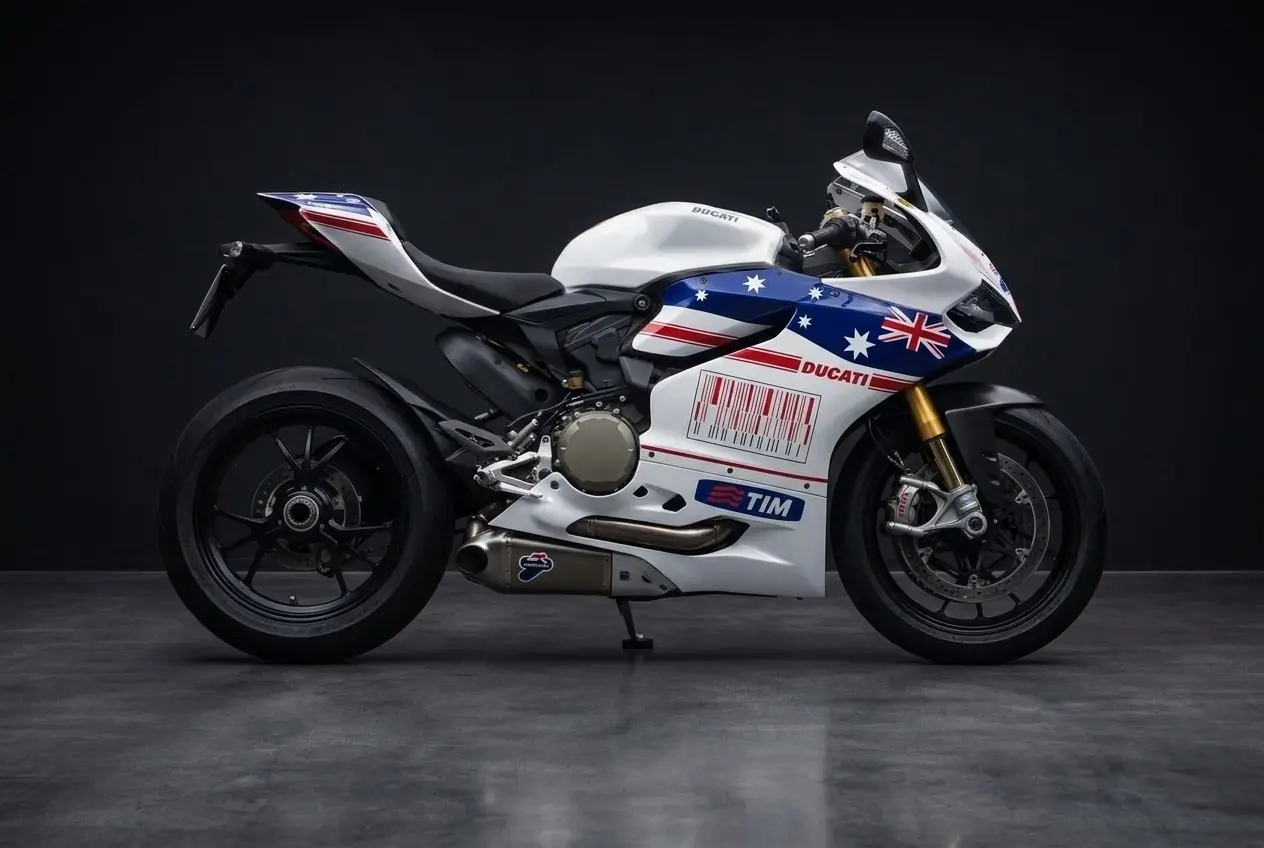
Want the Ducati 1199R for your date? Pick your dates and book the Ducati 1199R online, or call us and we will sort it with you.
Book NowCall 0468 011 118If something goes wrong inside a tunnel
A breakdown or a stall inside a tunnel is unusual but serious. If the bike stops, move to the shoulder or the edge of the lane only if you can do so safely, and keep as far from moving traffic as you can. Turn off the engine if it is safe to do so, and stay away from the traffic lanes while you wait for help. Do not attempt repairs in the tunnel.
If you see a hazard ahead, such as debris, a stopped vehicle or a spill, slow down early and follow the lane markings carefully. A sudden swerve inside a tunnel can be dangerous, so brake in a controlled way and choose the safest line available. Your priority is always to stop safely and keep yourself visible to the traffic behind.
The best time and season for a tunnel ride
Mornings can be tricky for tunnels because the contrast between the bright outside and the dark interior is at its sharpest when the sun is low. Mid-morning, once the light has risen and the glare has eased, tends to be the most comfortable window. Plan your route for a time when the sun will not shine straight into the portal, and avoid the peak commuter periods when traffic is dense and unpredictable.
Autumn and spring suit tunnel riding best, with mild temperatures and less wet weather. Winter brings damp surfaces and cold air that can cause steam or mist at the portals, while summer heat means more traffic on country roads at weekends. Plan a fuel stop before the country section, and a food stop at a rural town where parking is simple and the pace is relaxed.
Road character changes quickly on a country highway with tunnels. Long straights may run into tight bends, and some sections are shaded by cuttings and trees that keep the road damp for hours. Weekends bring tourists and touring vehicles, so ride early or midweek for more space. Remember to check road conditions with Transport for NSW before you leave, especially after heavy rain.
Gear, fatigue and hire rules
Gear helps you stay composed in a tunnel. A helmet with a clear visor, a jacket with abrasion protection, gloves that keep your grip secure and boots that protect the ankle are the essentials. Wind and cold can change quickly at the portals, so choose layers you can adjust. Check your visor is clean and free of scratches before you enter, because a smeared visor is much harder to see through in low light.
Fatigue affects your judgement in a tunnel as much as anywhere. Tunnels can be disorienting, and a tired rider may misjudge distance or speed. Take regular breaks, stay hydrated and stop when your focus drifts. Never ride after drinking alcohol, and ride within your ability at every stage.
Hire rules, in short: bikes are self-drive from our Parramatta base on a three day minimum hire, and the rider must hold a full motorcycle licence for at least 3 years and be aged 25 or over on every bike. The Ducati 1199R is a single-seater, so a passenger cannot ride with you on this bike.
Book the Ducati 1199R for your next open road
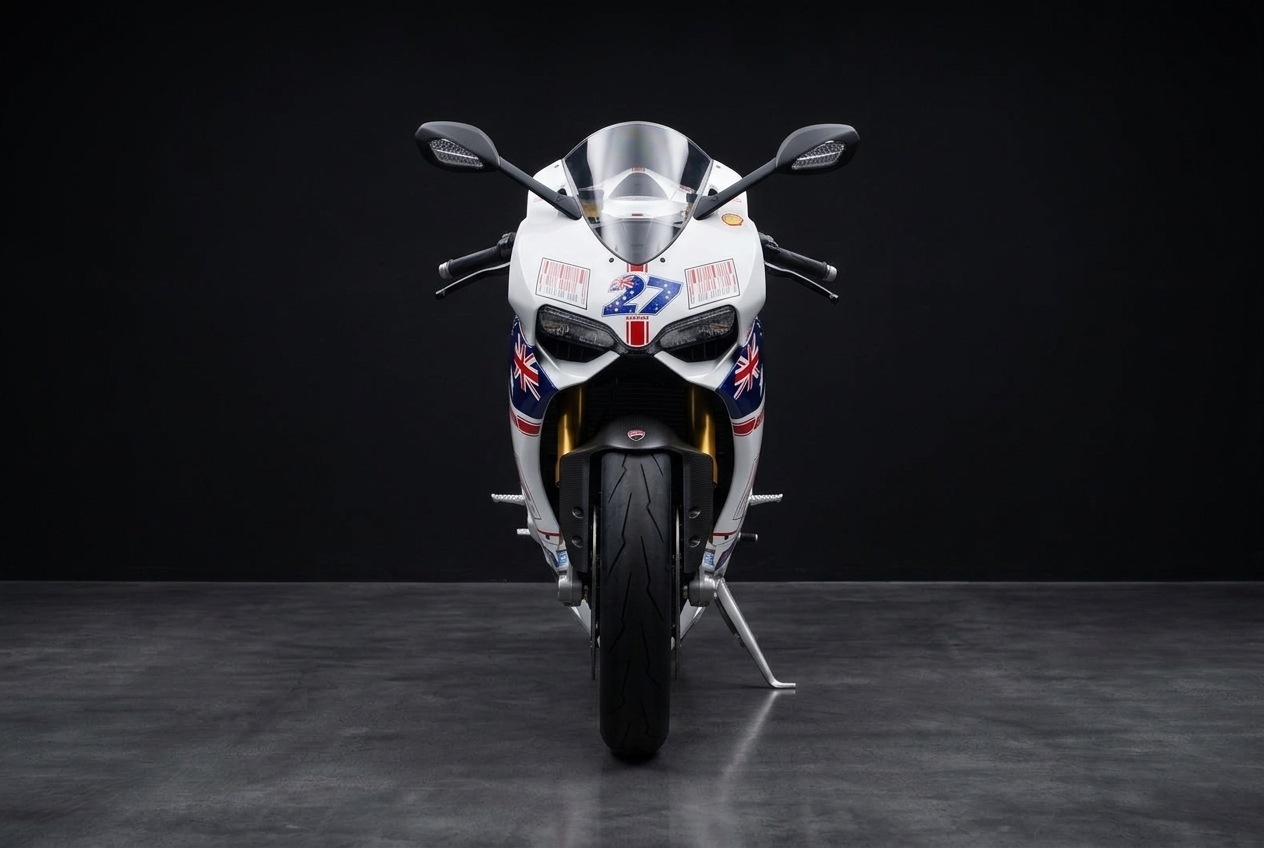
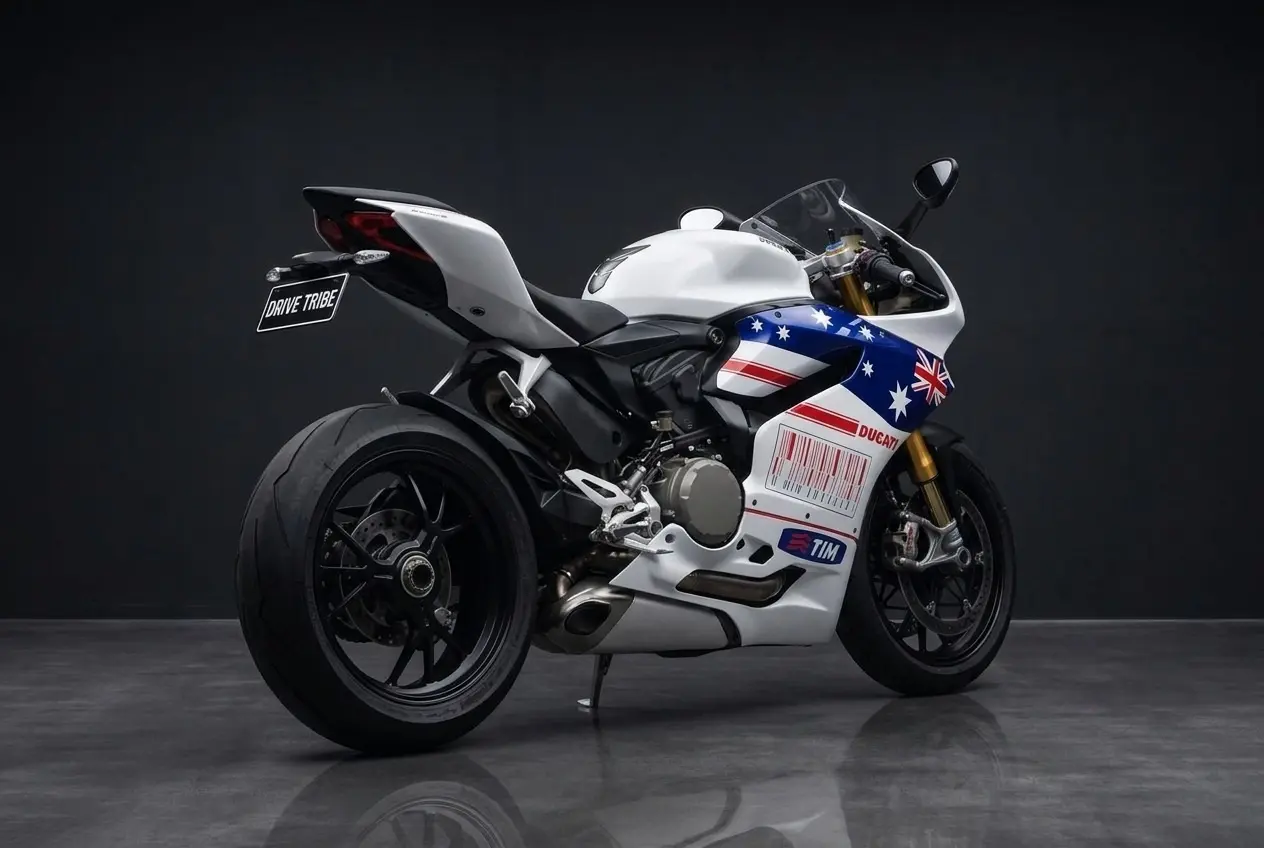
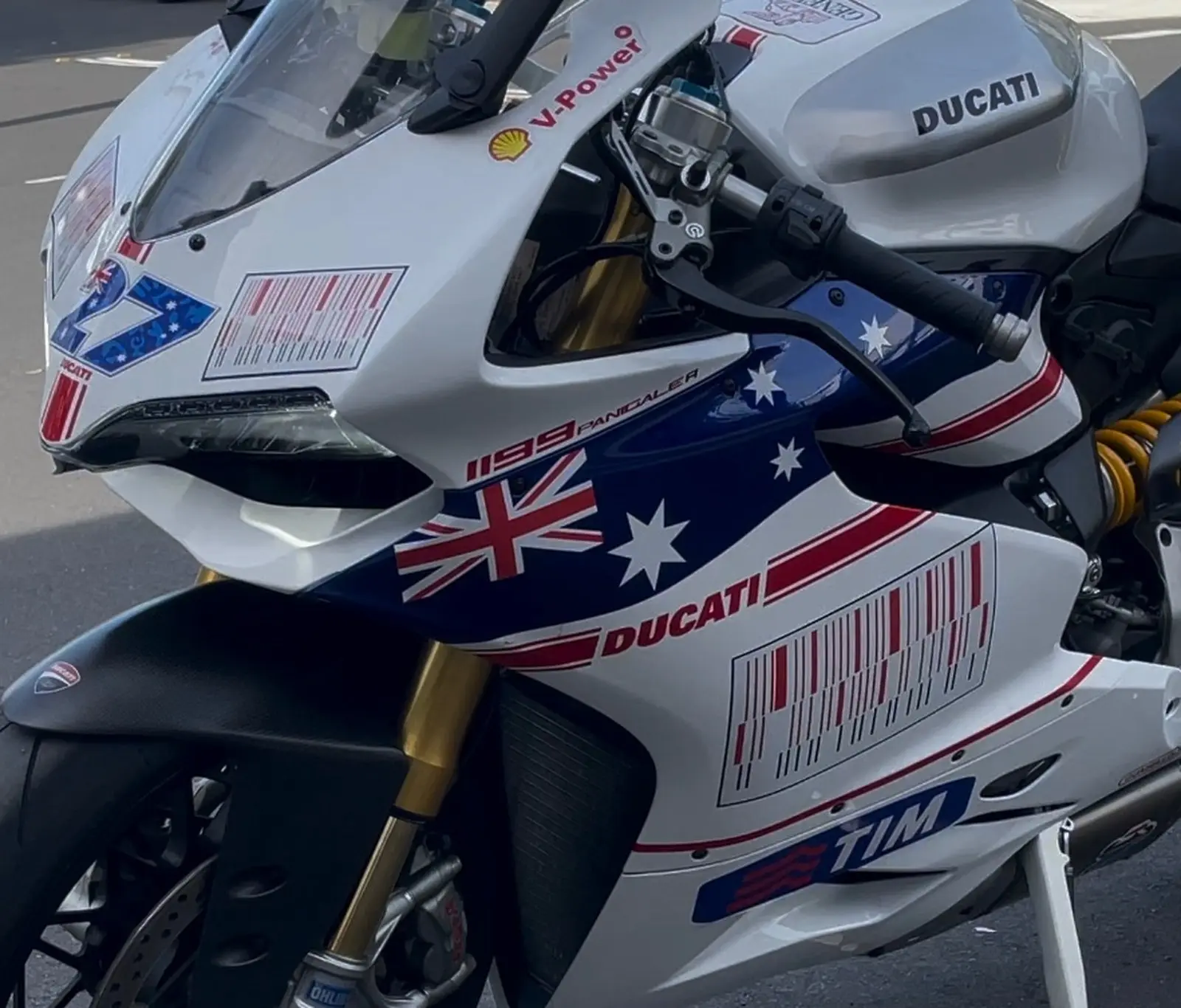
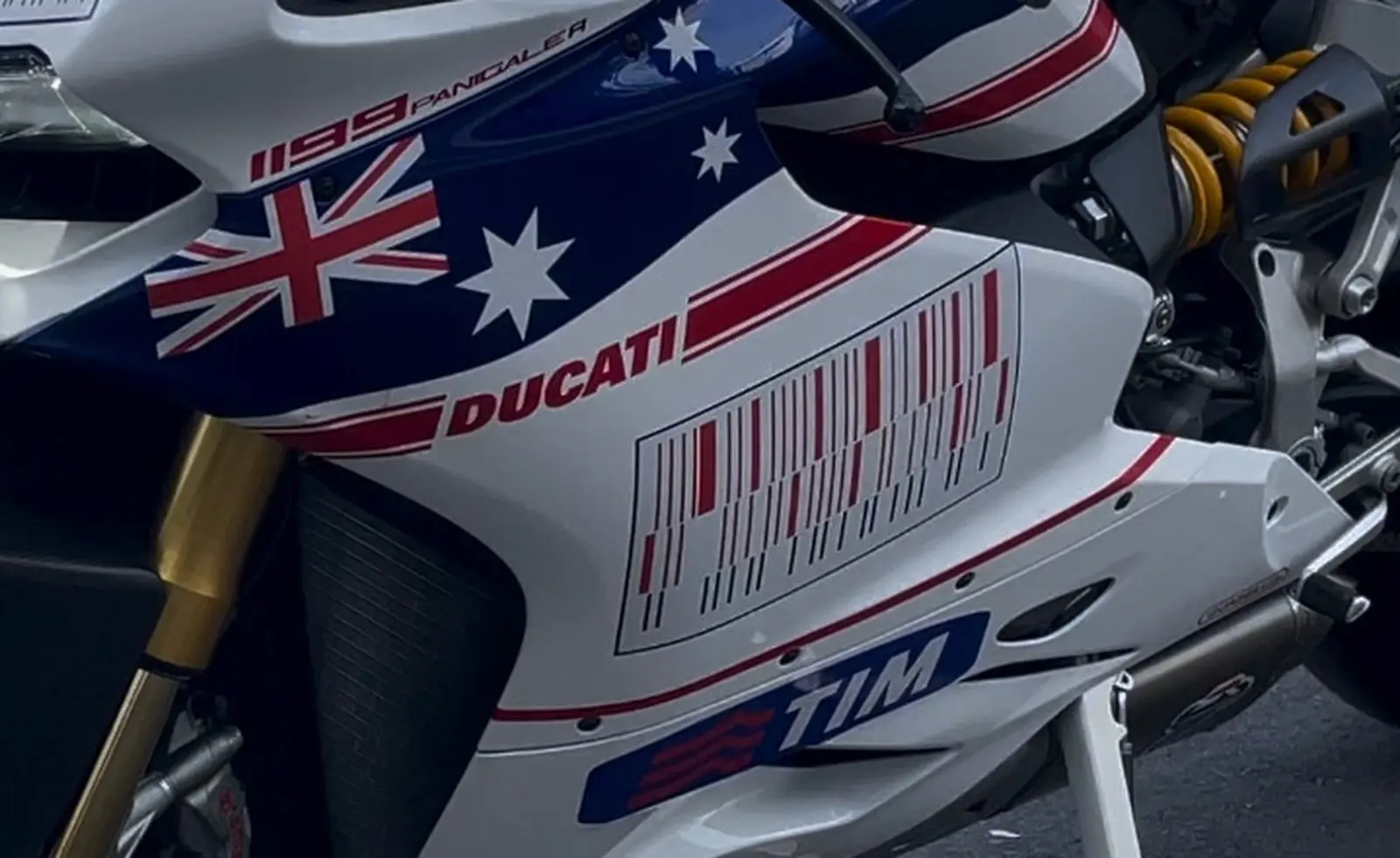
The Ducati 1199R is a superbike with a 143 kW V-twin engine and gold front forks, finished with black forged wheels and an Australian flag livery. We present that livery as a tribute to Casey Stoner, who won his first MotoGP World Championship on a Ducati in 2007 while racing as number 27. It is a superbike for experienced riders, and it rewards smooth, measured inputs as much as outright power.
A tunnel is a good test of your smoothness. A rider who keeps the throttle steady, the lean gentle and the eyes forward will find the Ducati calm and predictable through the dark stretch and back into daylight. Build your experience on quieter country roads first, then take the bike onto routes that combine tunnels, bends and open views.
When you are ready, see the full details and check availability on the Ducati 1199R page. It is the right bike for a rider who is confident in their skills and wants a precise, focused ride on the open road.
Frequently asked questions
Should I remove my sunglasses before entering a tunnel?
Yes. Sunglasses or a dark visor make the tunnel look darker than it is, and your eyes need time to adjust to the lower light. Lift a clear visor if you have one, and keep your gaze on the road a few seconds ahead. Remove any tinted eyewear before you reach the portal so you are not caught out in the first few metres.
Is it safe to overtake a vehicle inside a tunnel?
Generally, no. Overtaking inside a tunnel reduces the room you have to react, and visibility can be poor. Stay in your lane, keep a steady line and wait until you are outside the tunnel with a clear view ahead before passing. If you are unsure whether the road markings permit a pass, do not attempt it.
What happens to the bike if a truck passes me at the entrance?
A large vehicle can push a wave of air ahead of it, which may nudge the bike sideways for a moment. Hold a relaxed grip, keep your weight centred and let the bike move slightly without fighting it. Avoid steering corrections that are too sudden, and keep your speed steady. The effect usually fades within a few seconds.
Why does the surface feel slippery inside a tunnel?
Water can run in from the portals, and drainage channels, joints and painted lines may hold oil, grit or leaves. These areas lose grip more quickly when wet. Keep your lean smooth, avoid braking hard on painted lines and slow down a little more than usual on damp days. Leave extra room between you and the vehicle ahead.
Can I stop inside a tunnel if I need to?
Only in a genuine emergency. If the bike breaks down or you are unwell, move to the shoulder or the edge of the lane if it is safe to do so, switch off the engine and keep away from moving traffic while you wait for help. Do not attempt repairs inside the tunnel. Stopping in the lane without need is dangerous, so plan your rest breaks before you reach the tunnel.
Is a tunnel ride suitable for a newer rider?
A tunnel is a fair test of control, so build your experience on open roads with gentle bends first. Ride within your ability, keep your speed moderate and leave generous space around you. The Ducati 1199R is a superbike for experienced riders, so choose a bike that suits your current skill level and move up gradually as your confidence and smoothness improve.
Ready when you are. Pick your dates and book the Ducati 1199R online, or call us and we will sort it with you.
Book NowCall 0468 011 118