
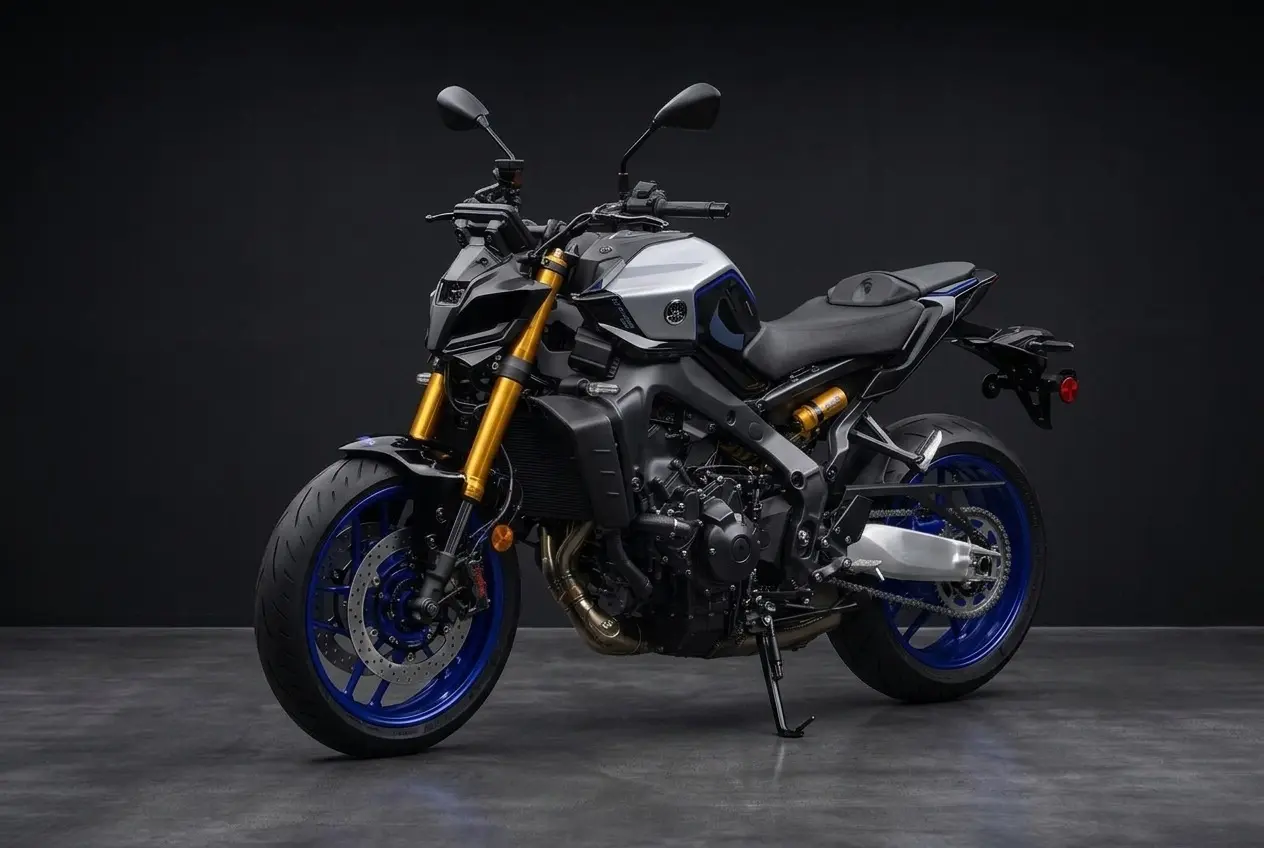
Book the Yamaha MT-09 SP. Pick your dates and book the Yamaha MT-09 SP online, or call us and we will sort it with you.
Book NowCall 0468 011 118Cold mornings in the hills west of Sydney can be harsher than the forecast suggests, and heated gear looks like an easy answer. Used sensibly, a heated layer can keep your core and hands warm enough to stay focused. Used carelessly, it can overheat, drain a battery halfway through the ride or cause a burn. Here is how to use heated gear safely, without relying on it to do the job that proper clothing should do.
For the bikes we hire, who can ride them and how a hire runs, see motorbike hire in Sydney.
Why heated layers appeal on cold Sydney mornings
Sydney winters are mild by world standards, but the moment you climb into the hills or ride before the sun has warmed the road, the temperature can drop sharply. Wind chill on a bike makes the cold far worse than the thermometer suggests. Fingers stiffen, the chest tightens, and a rider who is shivering is a rider who is tired and distracted.
Heated gear promises a solution. A heated liner or vest sits under the outer layers and warms the body from the inside, while heated gloves keep the hands supple for clutch, brake and throttle work. For riders who feel the cold badly, the difference on a long morning can be large, and warmth often means better focus.
The catch is that heated gear is an aid, not a replacement. It works best on top of a good base layer and a windproof outer shell. Without those, the heating element has to fight the wind and the damp, and it will run harder and drain faster.
What heated gear can and cannot do
Heated gear can take the edge off the cold in the places where you lose the most heat. The core, the hands and the feet respond well to gentle warmth, and a steady temperature helps you keep your inputs smooth. It is particularly useful on the slow, stop-start stretches where you are not generating much body heat yourself.
It cannot make a poor fit comfortable or stop cold air entering through gaps at the wrists, collar or waist. It also cannot prevent the fatigue that comes with a long, cold day. Think of heating as one part of a system that includes good fitting clothing, a windproof outer layer and a sensible pace.
Be realistic about your own sensations. Heated gear can make you feel warm while the rest of you is still cooling down, so check your hands, feet and face regularly rather than trusting the sensation of warmth alone. A quick stop to stretch will tell you more than the heater dial.
Batteries: charging, carrying and storing them
Batteries are the part of heated gear that most often causes trouble. Charge them fully before you leave, using the charger and cable supplied by the manufacturer, and do not use mismatched chargers from other devices. Keep an eye on the charge indicator during the ride, and plan breaks around the battery's rated run time rather than waiting for the heating to fade.
Carry the battery in a pocket or pouch that keeps it dry and away from direct sun. A battery that has been left in a hot car or a freezing garage may not perform well and can be damaged. Store it at room temperature, and do not leave it charging unattended overnight or in a confined space where heat cannot escape.
Inspect the battery and cables before every ride. Look for swelling, cracks, exposed wires, scorch marks or a case that feels hot to the touch. A damaged battery should be taken out of service immediately, and replaced by the manufacturer's recommended model rather than a cheaper alternative.
Cable routing and keeping the controls clear
Cables are the second area that needs attention. Route leads so they sit flat against the body and clear of the zip, the front brake lever, the clutch lever and the throttle. A loose cable that flaps near a control can snag at a bad moment, and a cable that catches on a gear lever or a footpeg can pull the connection apart.
Do not connect heated gear to the bike's wiring unless the manufacturer of both the gear and the bike confirms it is safe, and an experienced technician has fitted it properly. Self-contained battery packs are the simplest and most widely used option for riders, because they avoid any interaction with the bike's electrical system.
Keep the connectors dry and clean. Water can work its way into plugs and cause corrosion or short circuits, so disconnect and check the plugs after a wet ride and let them dry fully before reconnecting. Coiling spare cable neatly inside a jacket pocket is far safer than letting it dangle.
Avoiding overheating and skin burns
Too much heat is the opposite problem. Heated gear that stays on high for hours can cause overheating, sweating and discomfort, and sweat soaking a base layer will make you colder once the heating drops off. Use the lowest setting that keeps you comfortable, and adjust it when the weather or the speed changes.
Skin burns are a real risk with heated gear, particularly where a heating element sits against bare skin for a long time. Keep a base layer between the element and your skin, and do not sleep in heated gear or leave it running while you are resting. If your skin feels hot, red or sore after a ride, remove the gear and allow the area to cool before wearing it again.
Riders with reduced sensation, medical conditions or those taking medication should be particularly careful, and it is wise to check with a health professional before relying on heated gear for long rides. Never ride when you feel unwell, and never use heated gear as a reason to push on through a cold, tiring day.
- Use a base layer between the heating element and bare skin
- Turn the heat down during slow traffic and on warmer sections
- Stop and check hands, feet and face every hour or so
- Switch off and disconnect before you leave the bike
Want the Yamaha MT-09 SP for your date? Pick your dates and book the Yamaha MT-09 SP online, or call us and we will sort it with you.
Book NowCall 0468 011 118Hire rules, bringing your own gear and overnight parking
Our bikes are self-drive from Drive Tribe in Parramatta, and hire runs for a three day minimum. Overnight, the bike must sit in a locked garage or secure off-street parking between 9pm and 6am, so keep that in mind when you plan where to charge your battery. Helmets (Shark, AGV or Bell) can be hired from us in small, medium or large for $50 per hire, or you can bring your own. We do not supply jackets, gloves, pants or boots, so bring your own riding gear.
If you bring your own heated gear, check its condition and fit before the trip, and make sure the battery and charger are compatible and in good order. Test the whole setup at home so you know how long the battery lasts on the settings you use. A short test ride around the neighbourhood is a good way to confirm everything works together.
Charging needs planning on a multi-day trip. Look for a safe, well ventilated indoor spot to charge, and never leave a battery charging in a room you are not able to watch. Pack the charger with the battery so you are never stuck without power on a cold morning.
Cold-weather routes and when to stop
Hill roads west of Sydney suit a cold-weather test because they give you sustained climbs, shaded bends and cold valley air. Cold pockets form in the low spots, and frost can linger on shaded corners long after the sun has reached the open road. Ride these sections at a steady pace and expect the surface to feel different in the shade.
Stop when the cold starts to affect your concentration, not when the battery runs flat. Shivering, numb fingers or a slowing reaction are signs that you need a break, a hot drink and a stretch. Warm up gradually after a stop, and avoid pushing the throttle until your hands and body feel responsive again.
Pick your stops with care. A cafe with a sheltered parking spot, a quiet lookout with room for the bike, or a petrol stop with a warm shop are all good options. Check the distance to the next fuel stop before you leave, and never let a low tank add to the stress of a cold day.
Best season, timing and the Yamaha on a cold day
Winter is the main season for heated gear, but early autumn and late spring can also bring cold mornings in the hills. Start after sunrise and no earlier than 6am, and let the day warm up before you tackle the steeper climbs. The afternoon is often the most comfortable time to ride, and the roads are usually clearer than they are in the early hours.
Weekend traffic on the hill roads can include touring riders, cyclists and slow vehicles, so give yourself plenty of room on the bends. Midweek rides are usually quieter and let you concentrate on the road and the cold rather than on other traffic. Watch for frost on shaded corners and for wildlife near the verges at dusk.
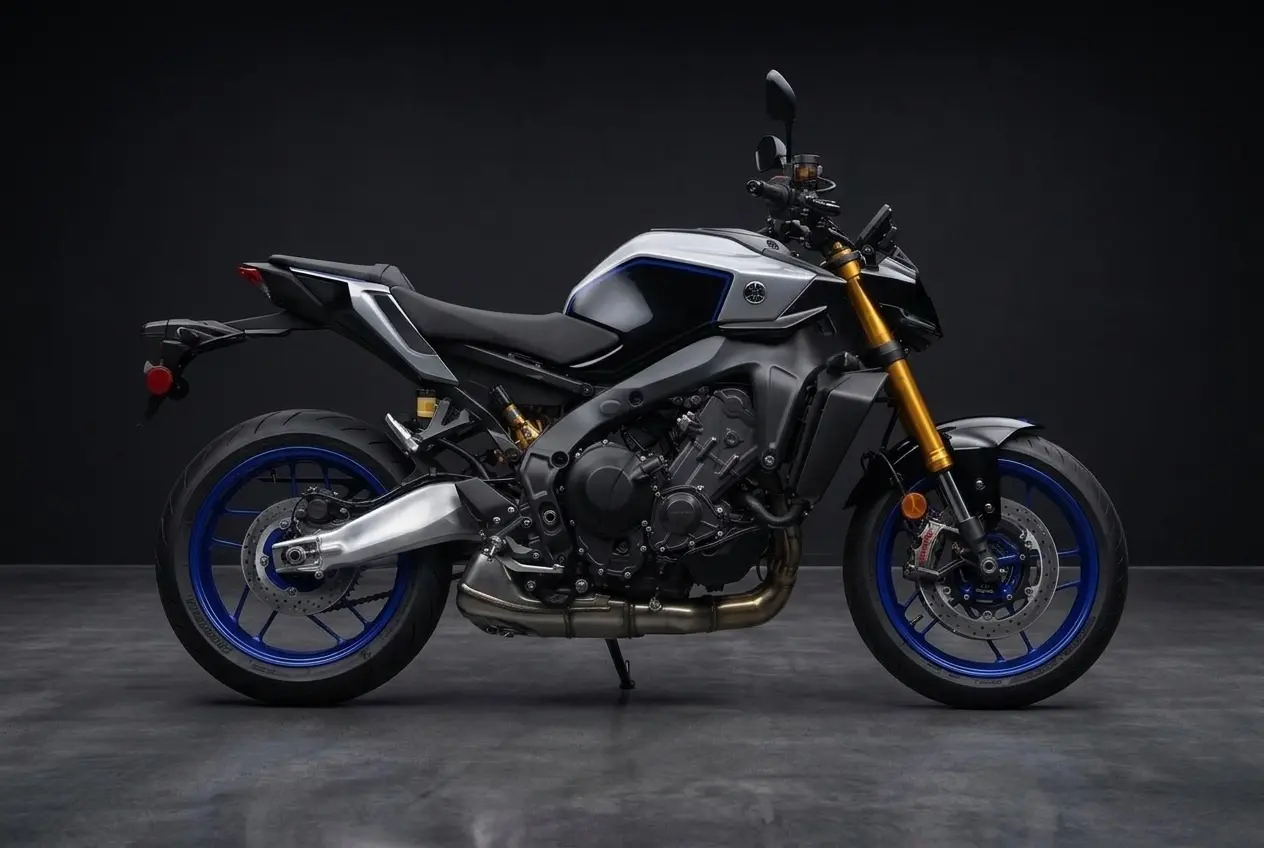
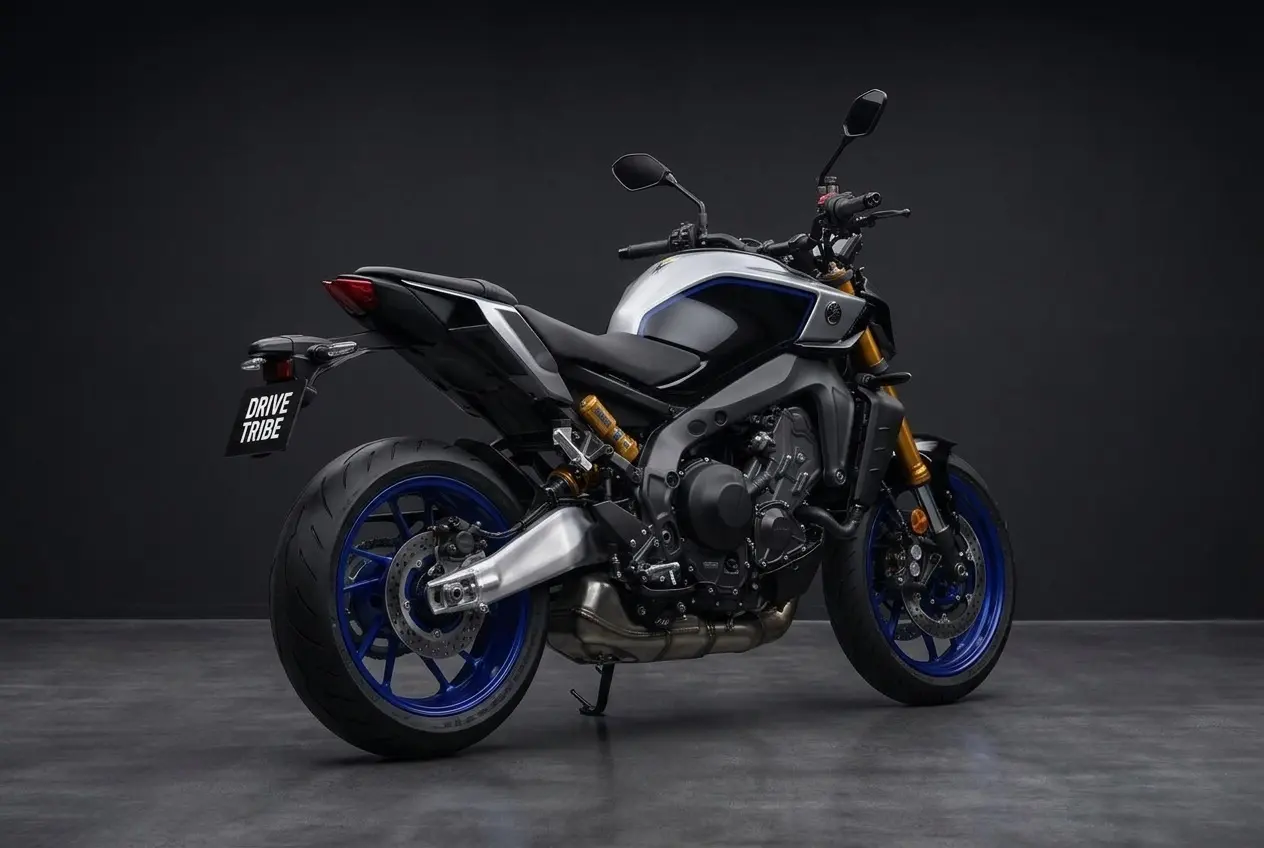
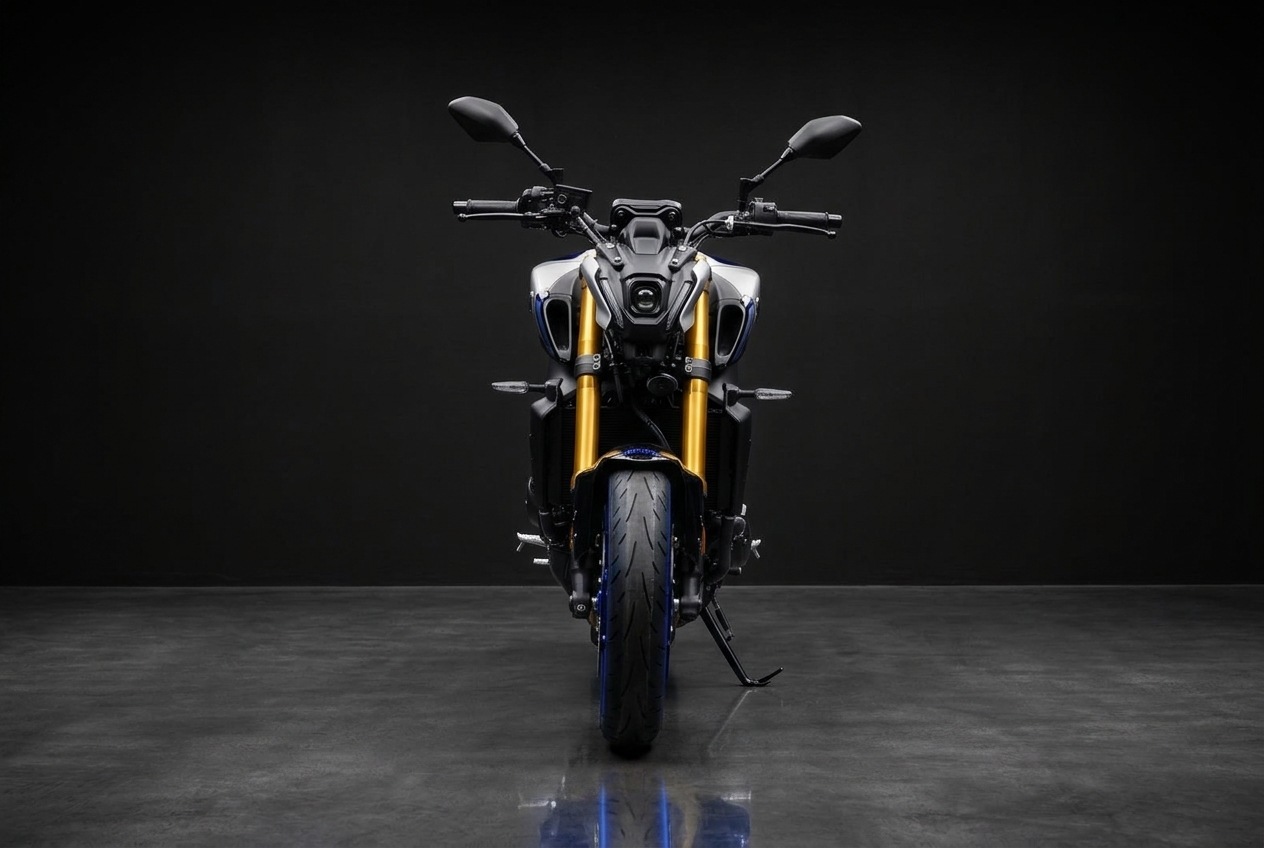
The Yamaha MT-09 SP is a natural choice for a cold day in the saddle. It is an inline three performance naked bike with premium adjustable suspension and strong brakes, and it gives you a sense of control on cool, damp roads. Leave the stops relaxed, keep the pace steady and enjoy the crisp air.
Before the first fuel stop, have a look at Transport for NSW for anything that might affect the route.

Book the Yamaha MT-09 SP for your next cold ride
Cold weather rewards a rider who plans well, and heated gear is only one part of that plan. Choose a route that suits the conditions, keep your pace steady, and remember that the best day is the one you finish comfortable and alert. Alcohol has no place on any ride, and that includes the warm drink at lunch.
If you are thinking about a cold morning in the hills, the Yamaha is an easy bike to ride within your ability. Plan your start, your fuel and your breaks, and enjoy the quiet roads as the sun comes up over the ranges.
When you are ready, book the Yamaha MT-09 SP and we will help you prepare. You can compare the rest of our bikes on the fleet page before you decide.
Frequently asked questions
Is heated gear worth buying for a Sydney rider?
It can be, particularly if you feel the cold badly or ride the hills in winter. Heated gear works best on top of a good base layer and a windproof outer shell. Think about how often you ride in cold conditions before you invest, and choose items with clear instructions, a reliable battery and a fit that suits your existing kit.
How long does a heated battery last on a ride?
It depends on the battery, the heat setting and the temperature outside. Check the manufacturer's rated run time for each setting, and plan your breaks around it. Keep the battery warm and dry, and carry a spare if you are riding for most of the day. Stopping to check your hands and feet is more useful than watching the battery indicator alone.
Can I plug heated gear into the bike?
Not without expert advice. Connecting heated gear to a motorcycle's wiring can cause problems if it is not designed or fitted correctly. Self-contained battery packs are the simplest and safest option for most riders, because they keep the system separate from the bike. If you are unsure, ask a qualified technician before doing anything with the bike's electrics.
How do I avoid burns from heated gear?
Keep a base layer between the heating element and your skin, and use the lowest setting that keeps you comfortable. Do not sleep in heated gear or leave it running while you rest. If your skin feels hot, red or sore, take the gear off and let the area cool before you wear it again. Stop and check your skin during long rides rather than relying on warmth alone.
Can heated gear replace proper cold-weather clothing?
No. Heated gear is an extra layer of warmth, not a substitute for a good base layer, mid layer and windproof outer shell. Cold air through gaps at the wrists, collar and waist will still chill you, and heating cannot stop the fatigue that comes with a long cold ride. Build your clothing system first, then add heating as a sensible top-up.
What should I do if my heated gear stops working mid-ride?
Pull over somewhere safe and check the battery, connectors and the item itself. Dry any damp plugs and make sure the connections are fully seated. If the gear will not recover, put on extra clothing, eat something warm if you can, and ride at a steady pace to the next stop. A cold rider is a tired rider, so take the change seriously and do not push on through discomfort.
Ready when you are. Pick your dates and book the Yamaha MT-09 SP online, or call us and we will sort it with you.
Book NowCall 0468 011 118